by 110 Dental & Orthodontics | Oct 21, 2025 | Cosmetic Dentistry, Veneers
Have you ever caught yourself hiding your smile in photos because of stubborn stains on your teeth? You’re not alone. Many people deal with tooth discoloration that affects their confidence in everyday situations, like chatting with friends or speaking at work. The good news is modern dentistry offers effective ways to brighten things up. In this post, we’ll explore one popular solution that can give you a fresh, natural-looking grin.
Understanding Tooth Discoloration
Tooth discoloration comes in two main types. Extrinsic stains sit on the surface from foods, drinks, or smoking. Intrinsic stains go deeper into the enamel due to factors like medications or aging.
Common causes include coffee, tea, red wine, and tobacco. Some people face discoloration from fluoride exposure or trauma. These issues can make teeth look yellow, brown, or gray.
Whitening treatments work for mild cases. But severe discoloration often needs more advanced options. That’s where cosmetic procedures step in to restore appearance.
What Are Dental Veneers?
Dental veneers are thin shells that cover the front of teeth. They mimic natural enamel in look and feel. Porcelain veneers resist stains well. Composite ones use resin material for quicker application.
These shells bond directly to teeth. They hide imperfections like chips or gaps too. Many choose them for a uniform smile makeover.
Porcelain options last longer due to durability. They reflect light like real teeth. Composite veneers suit minor fixes and can be repaired easily.
How Veneers Address Discolored Teeth
Veneers work by masking stains completely. A dentist prepares the tooth surface lightly. Then, they attach the custom shell.
This covers even deep intrinsic discoloration. Whitening can’t always reach those. Veneers provide a barrier against future stains.
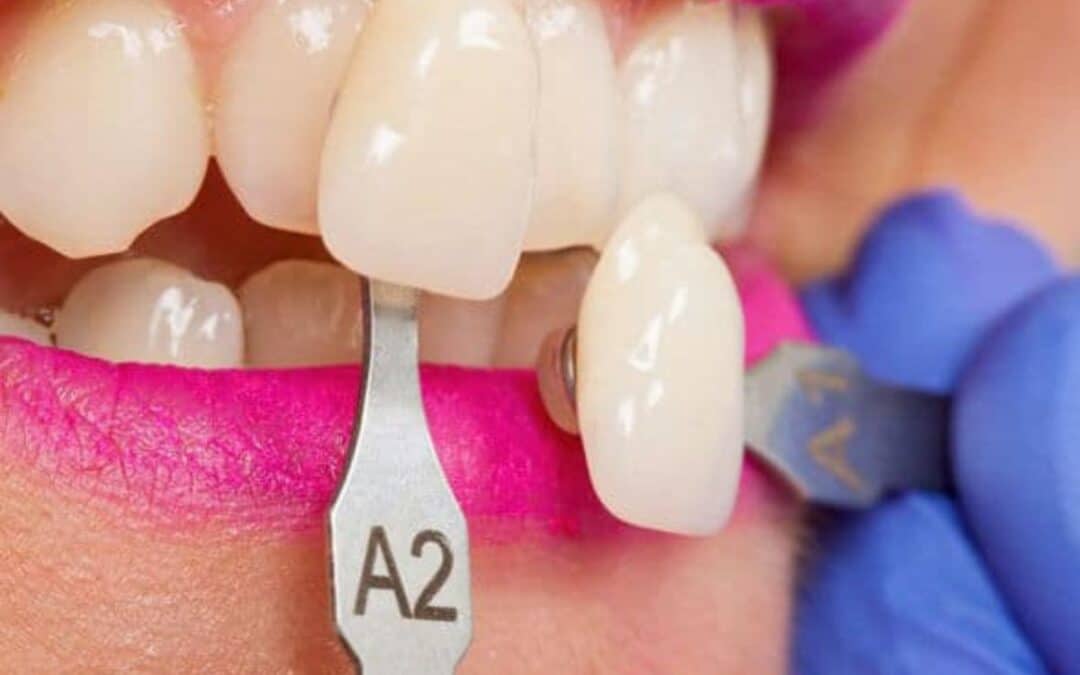
The color matches surrounding teeth perfectly. Labs craft them for a seamless fit. Patients see immediate results after placement.
In areas like East Texas, locals often seek these treatments for lasting brightness. For instance, veneers in Whitehouse, TX, help many regain their sparkle amid busy lifestyles.
The Veneer Application Process
It starts with a consultation. Your dentist examines teeth and discusses goals. They take impressions for custom design.
Next comes preparation. A small enamel layer gets removed. This ensures a snug fit without bulkiness.
Temporary veneers protect teeth while waiting. The final ones bond using special adhesive. Light cures the bond for strength.
Follow-up adjusts for comfort. The whole process takes two to three visits usually.
Benefits Beyond Discoloration
Veneers do more than hide stains. They strengthen weakened teeth. This helps with minor alignment issues too.
For those with wear from habits, they restore shape. Veneers for teeth grinding offer protection by rebuilding enamel lost to bruxism, preventing further damage.
They boost self-esteem in social settings. A brighter smile encourages more interactions. Many report feeling more outgoing after treatment.
Potential Drawbacks and Considerations
Veneers aren’t reversible. Enamel removal is permanent. Good candidates have healthy gums and enough enamel.
They may chip if you bite hard objects. Night guards help if grinding is an issue. Regular check-ups maintain them.
Sensitivity can occur initially. It fades as teeth adjust. Choose an experienced provider for best outcomes.
Trending FAQs on Veneers for Discolored Teeth
People often search for answers to common questions about this topic. Here are some frequently asked ones based on popular Google queries, with straightforward responses:
- Do veneers permanently fix discolored teeth? Veneers provide a long-term cover for discoloration, but they’re not indestructible. With proper care, they can last 10-20 years before needing replacement.
- Can veneers be placed on severely stained teeth? Yes, they’re ideal for stubborn stains that whitening skips. They mask deep discoloration effectively for a natural appearance.
- How long do dental veneers last? On average, porcelain veneers endure 10-15 years, while composite ones may need touch-ups sooner, depending on habits like diet or grinding.
- Are veneers better than whitening for discoloration? For mild stains, whitening works fine. But veneers excel at covering permanent or intrinsic discoloration that resists bleaching.
- Can you get veneers if you have crooked teeth? Veneers can improve minor misalignments along with discoloration, but severe cases might need orthodontics first for optimal results.
These address key concerns and help in decision-making.
Veneers Success Statistics
Here’s a quick table with key stats on veneers, drawn from clinical studies. It shows their reliability over time.
| Aspect |
Statistic |
Insight |
| Survival Rate at 5 Years |
96% |
Most remain functional without issues. |
| Survival Rate at 10 Years |
93% |
High durability with proper care. |
| Success on Vital Teeth |
96% |
Better outcomes on healthy teeth. |
| Overall Longevity |
10-20 Years |
Depends on material and maintenance. |
These numbers highlight why veneers are a trusted choice.
Maintenance Tips for Lasting Results
Keep veneers shining with daily habits. Brush twice a day with non-abrasive toothpaste. Floss to prevent gum issues.
Avoid staining foods in excess. Use a straw for dark drinks. Quit smoking for better oral health.
Wear a night guard if grinding persists. Schedule cleanings every six months. This extends veneer life.
Touch-ups might be needed over time. Follow your dentist’s advice for personalized care.
If you are searching for a “cosmetic dentist near you“, consider one who specializes in smile enhancements. They can guide you through options tailored to your needs. A quick chat can clarify if veneers suit your situation.
Many find the transformation worthwhile. It opens doors to more confident days. Remember, a healthy smile starts with informed choices.
Ready to brighten your grin? Call 903-328-6577 today to schedule an appointment and discuss your options. Your journey to a radiant smile awaits.
by 110 Dental & Orthodontics | Oct 14, 2025 | Cosmetic Dentistry
Have you ever wondered why some dental visits focus on check-ups and cleanings, while others aim to brighten your smile? Many people mix up these two fields. This post breaks it down simply. You’ll learn how each plays a unique role in your oral care. By the end, you’ll feel more confident about your next appointment.
Understanding General Dentistry
General dentistry forms the foundation of oral health. It emphasizes prevention and treatment of common issues. Dentists in this field handle routine exams. They spot problems early. Cleanings remove plaque and tartar. This stops cavities and gum disease.
Fillings repair damaged teeth. Root canals save infected ones. Extractions handle severe cases. These services keep your mouth functional. They promote long-term wellness. Regular visits build a strong base. This reduces future complications.
In areas like East Texas, general dentists often see patients for family care. They treat all ages. This includes kids’ first check-ups. Adults get ongoing maintenance. Seniors receive specialized attention. The goal stays the same: healthy teeth and gums.
Key Services in General Dentistry
General dentists offer a range of procedures. Exams use X-rays for detection. Sealants protect young teeth. Fluoride treatments strengthen enamel.
For issues, crowns restore shape. Bridges replace missing teeth. Dentures aid those with multiple losses. These focus on function over looks. Yet, they improve daily life. Eating and speaking become easier.
Education plays a big part. Dentists teach brushing techniques. They advise on diet impacts. This empowers patients. Better habits lead to fewer visits.
Exploring Cosmetic Dentistry
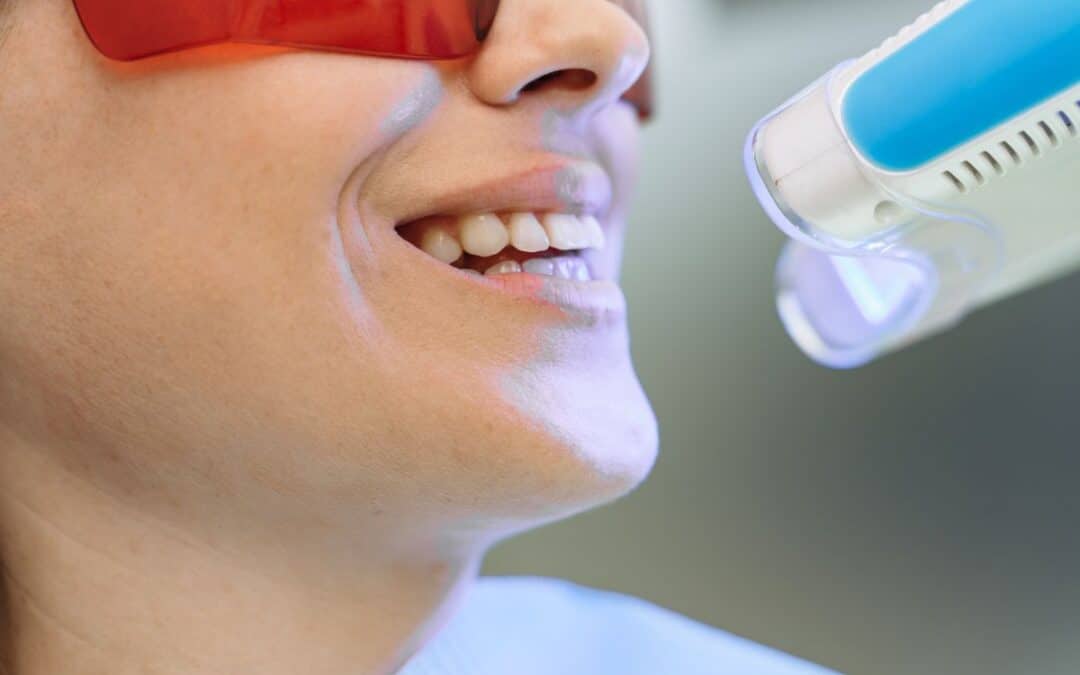
Cosmetic dentistry enhances appearance. It builds on general care. Procedures make smiles more appealing. Teeth whitening lifts stains. This brightens your look quickly.
Veneers cover imperfections. They fix chips or gaps. Made from thin shells, they bond to teeth. Results look natural. Many choose this for a polished smile.
In Whitehouse, TX, locals often seek these options. A cosmetic dentist in Whitehouse, TX, can guide you through choices. They assess your needs first.
These services boost confidence. A better smile affects social interactions. Job interviews may go smoother. Self-esteem rises with each grin.
Popular Cosmetic Procedures
Whitening uses safe gels. Sessions last an hour. Take-home kits extend results. Veneers involve minimal prep. Impressions ensure a custom fit.
Both require healthy teeth underneath. General check-ups come first. This ensures lasting outcomes. Maintenance involves good hygiene.
Trends show more adults opting in. Social media influences choices. People want camera-ready smiles. Dentists adapt to demands.
The Main Differences Between the Two
General dentistry prioritizes health. It prevents and treats diseases. Cosmetic focuses on aesthetics. It improves visual appeal.
General is essential for everyone. Cosmetic is elective. Yet, they overlap. A filling can be tooth-colored. This blends function with beauty.
Training differs slightly. All dentists start with general education. Cosmetic requires extra courses. Experience hones skills.
General visits happen twice yearly. Cosmetic depends on goals. Some need one session. Others plan multiple steps.
In practice, many dentists offer both. This provides comprehensive care. Patients benefit from one-stop service.
Statistics on Dental Procedures
Here’s a table showing key stats on dental procedures in the US:
| Procedure Type |
Popularity (%) |
Annual Procedures (Millions) |
Growth Rate (Last 5 Years) |
| General Cleanings |
85 |
200 |
5% |
| Teeth Whitening (Cosmetic) |
80 among adults 18-49 |
20 |
200% |
| Fillings (General) |
70 |
150 |
Stable |
| Veneers (Cosmetic) |
15 |
5 |
10% |
| Root Canals (General) |
25 |
15 |
2% |
These numbers highlight rising interest in aesthetics. Sources include AACD and ADA reports.
Benefits of Combining Both Approaches
Blending general and cosmetic yields best results. Healthy teeth support enhancements. Cosmetic transformations in dentistry often start with basics.
Fix issues first. Then enhance. This ensures durability. A whitened smile lasts longer on clean teeth.
Patients report higher satisfaction. They feel cared for holistically. Confidence soars. Daily life improves.
Dentists recommend integrated plans. Assessments cover both needs. This tailors care effectively.
Addressing Common Concerns
Many worry about procedure comfort. Modern techniques minimize pain. Sedation options help anxious patients.
Durability matters too. Whitening needs touch-ups. Veneers last 10-15 years with care.
Suitability varies. Not everyone qualifies. Consultations clarify options.
In small towns, access feels limited. Yet, local experts provide quality. Travel isn’t always needed.
Trending FAQs on Cosmetic and General Dentistry
Here are some frequently asked questions based on popular Google searches:
- What is the main difference between cosmetic and general dentistry? General dentistry focuses on oral health maintenance and disease treatment, like cleanings and fillings. Cosmetic dentistry aims to improve smile appearance through procedures such as whitening or veneers.
- Do I need a general dentist before seeing a cosmetic one? Yes, often. General care ensures your teeth are healthy enough for cosmetic work. Issues like decay must be addressed first for best results.
- How long do cosmetic procedures like veneers last? Veneers typically last 10-15 years. Proper oral hygiene and regular check-ups extend their lifespan.
- Is teeth whitening safe for everyone? It’s safe for most with healthy teeth and gums. Dentists evaluate suitability to avoid sensitivity or other issues.
- Can general dentistry procedures also improve appearance? Absolutely. Tooth-colored fillings or crowns blend function with aesthetics, offering a natural look.
These answers address top concerns from online queries.
If you are searching for a “cosmetic dentist near you,” consider local options that specialize in whitening and veneers. They can provide personalized advice. This makes the process straightforward.
Many in East Texas value combined care. It fits busy lifestyles. Schedule regular visits for ongoing benefits.
Ready to enhance your smile? Call at 903-328-6577 to schedule an appointment. Your journey to better oral health starts today.
by 110 Dental & Orthodontics | Oct 7, 2025 | Braces, Orthodontics
Have you ever wondered why some orthodontic treatments feel smoother and quicker? Self-ligating braces stand out as a modern choice. They promise comfort and efficiency. This post breaks it down simply. You’ll learn the basics and why they might suit you.
What Are Self-Ligating Braces?
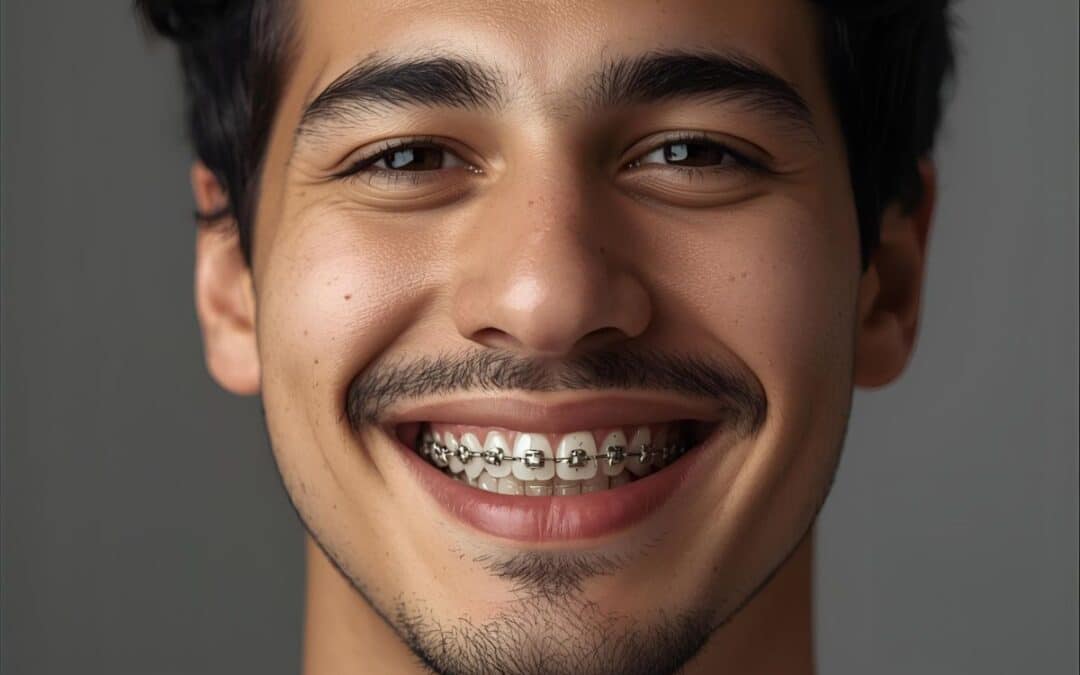
Self-ligating braces are a type of orthodontic appliance. They straighten teeth like traditional ones. But they have a key twist. Each bracket features a small door or clip. This holds the wire in place. No need for rubber bands or ties.
These braces come in metal or ceramic forms. Metal ones are strong and visible. Ceramic versions blend with teeth. Both aim for effective tooth movement. Orthodontists often recommend them for various cases. From mild crowding to more complex alignments.
The Mechanics Behind Self-Ligating Braces
How do they function? The archwire runs through brackets on each tooth. In self-ligating designs, clips secure the wire. This allows free sliding as teeth shift. Friction drops compared to older methods.
Pressure applies gently over time. Teeth move into position steadily. Adjustments happen less often. The system self-regulates to some extent. This leads to smoother progress. Many patients notice quicker visible changes.
Key Differences from Traditional Braces
Traditional braces use elastic ligatures. These tie the wire to brackets. They can create more resistance. Self-ligating versions eliminate this. Clips replace ties for less drag.
Appointments differ too. Traditional ones need frequent tie changes. Self-ligating braces require fewer visits. Cleaning is easier without bands trapping food. Appearance varies. No colorful elastics here. But the sleek design appeals to many.
Treatment duration might shorten. Some studies show faster alignment. Comfort levels rise due to reduced pressure. These factors make them a popular upgrade.
| Aspect |
Self-Ligating Braces |
Traditional Braces |
| Mechanism |
Built-in clips |
Elastic ties |
| Friction Level |
Low |
Higher |
| Adjustment Frequency |
Less often (every 8-10 weeks) |
More often (every 4-6 weeks) |
| Cleaning Ease |
Easier, fewer traps |
Harder, bands catch debris |
| Comfort |
Gentler pressure |
More discomfort possible |
| Treatment Time |
Often shorter by 4-6 months |
Standard 18-24 months |
| Appointment Time |
Shorter by 20-30 seconds per arch |
Longer |
Stats based on orthodontic surveys show 64% of professionals note quicker adjustments. About 68% in the US prefer them for efficiency.
Benefits of Choosing Self-Ligating Braces
Comfort tops the list. Lower friction means less soreness. Patients report milder aches after fittings. This helps during daily life.
Hygiene improves. Without ties, brushing reaches everywhere. Flossing threads easily under wires. This cuts plaque buildup risks.
Aesthetics play a role. Ceramic options look discreet. Ideal for adults or teens. Durability holds up well. They handle bites and chews effectively.
Results shine brighter. Alignment achieves precision. Bites correct smoothly. Many see straighter smiles sooner.
In areas like braces in Whitehouse, TX, local orthodontists highlight these perks. They use advanced tech for custom fits. This ensures optimal outcomes.
Maintaining Your Self-Ligating Braces
Care starts with daily habits. Brush after meals. Use soft bristles to avoid damage. Fluoride toothpaste strengthens enamel.
Floss nightly. Threaders help navigate wires. Rinse with mouthwash for fresh breath. Avoid sticky foods. They can bend components.
Regular checkups matter. Follow your schedule. Report issues promptly. This keeps progress on track.
To remove yellow stains from braces, try gentle scrubbing with baking soda paste weekly. It lifts buildup without harm. Combine with consistent oral routines for best results.
Addressing Common Concerns
Worried about adaptation? Most adjust in days. Initial tenderness fades quickly. Speech returns to normal soon.
Sensitivity occurs sometimes. Soft foods help at first. Wax covers sharp spots if needed.
Durability reassures. Brackets resist breaks. Wires stay secure. This minimizes emergencies.
Trending FAQs on Self-Ligating Braces
Here are some frequently asked questions based on popular searches. They cover what people often wonder.
- Are self-ligating braces more effective than traditional ones?
Yes, in many cases. They reduce friction for smoother movement. This can lead to faster results. But effectiveness depends on your specific needs.
- Do self-ligating braces hurt less?
Often, yes. The design applies gentler force. Patients report less discomfort during adjustments. Soreness is milder overall.
- How long do you wear self-ligating braces?
Typically 12-18 months. This varies by case severity. Mild issues resolve quicker. Complex ones take longer.
- Can self-ligating braces fix severe crooked teeth?
Absolutely. They handle tough cases well. The clip system allows precise control. Orthodontists use them for overbites, underbites, and gaps.
- Are self-ligating braces suitable for adults?
Definitely. Adults appreciate the discreet look. Shorter treatment appeals to busy schedules. They work for various ages.
Who Should Consider Self-Ligating Braces?
Ideal for teens and adults alike. Those seeking comfort prefer them. Busy folks value fewer visits.
If alignment issues bother you, explore options. Consultations reveal suitability. Personalized plans ensure success.
Lifestyle fits matter. Active people enjoy durability. Easy care suits everyone.
If you are searching for an orthodontist near you, consider one experienced in modern techniques. They can guide you through choices. This ensures a confident smile journey.
Making the Right Choice for Your Smile
Weigh pros against your goals. Self-ligating braces offer innovation. They blend efficiency with ease.
Discuss with a professional. Share concerns openly. This leads to informed decisions.
Ready to start? Call 903-328-6577 to schedule an appointment. Transform your smile today.
Self-ligating braces redefine orthodontic care. They deliver results with less fuss. Embrace the change for a brighter future.
by 110 Dental & Orthodontics | Sep 29, 2025 | Dental Implants
Imagine flashing a confident smile without a second thought. That’s the beauty of dental implants—they blend seamlessly with your natural teeth, restoring function and aesthetics. But like any investment in your health, they thrive with the right attention. Proper cleaning isn’t just a chore; it’s your ticket to decades of worry-free chewing and grinning. In this guide, we’ll walk through practical steps to keep those titanium posts and crowns in top shape. Let’s dive in and make your routine effortless.
Why Proper Care Matters for Your Implants
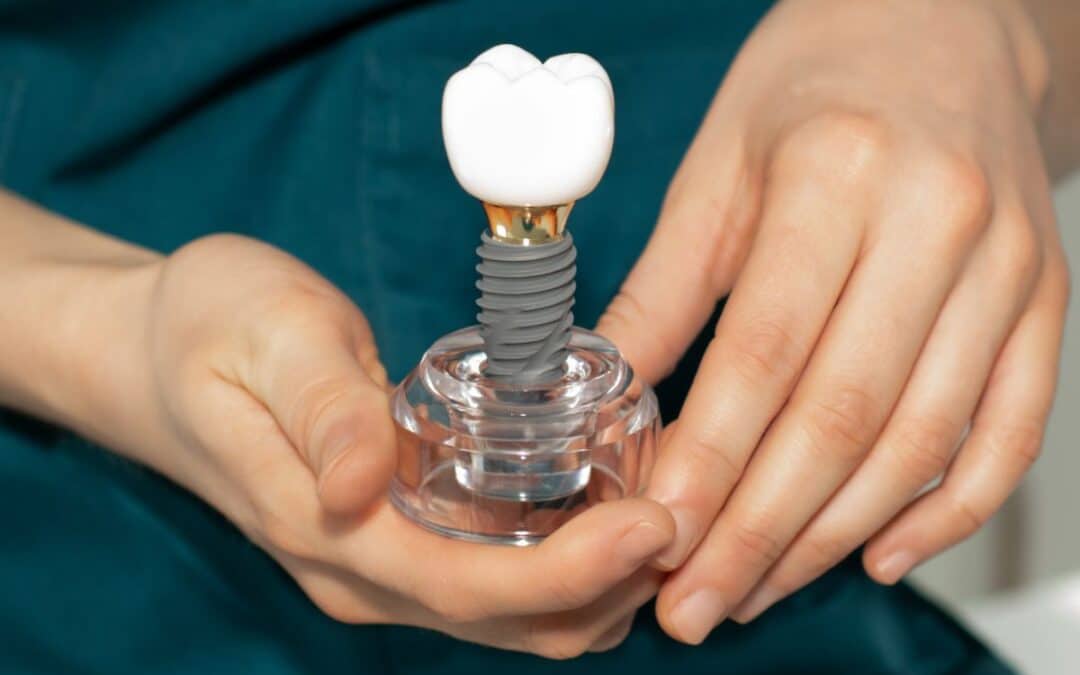
Dental implants mimic natural teeth, but their success hinges on vigilant maintenance. Without it, plaque can build up around the gum line, leading to peri-implantitis—an inflammatory condition that affects gum health and stability. Think of your implants as anchors in your jawbone. Neglect them, and risks climb.
Studies show strong outcomes with consistent habits. For instance, implants boast high survival rates when cared for well. Here’s a quick look at key stats:
| Care Factor |
Success Rate |
Notes |
| Daily Brushing & Flossing |
97% |
Reduces plaque buildup effectively. |
| Regular Professional Cleanings |
95% |
Every 3-6 months prevents complications. |
| Poor Hygiene (No Routine) |
77% |
Increases peri-implantitis risk by 20-30%. |
| Overall Long-Term Survival |
92-97% |
With combined habits over 10+ years. |
These figures highlight the payoff. Osseointegration—the fusion of implant to bone—stays strong when bacteria stay at bay. Local patients often share how simple tweaks transformed their confidence. Ready to build yours?
Your Daily Cleaning Routine
Consistency is key. Treat implants like natural teeth, but with gentle precision. Start small for big results.
Brushing Techniques That Protect
Grab a soft-bristled toothbrush. Harsh ones scratch the prosthetic surface. Use non-abrasive, fluoride toothpaste. Brush twice daily for two minutes.
Angle the brush at 45 degrees toward the gum line. Use short, circular strokes around each crown and post. Cover all sides: outer, inner, and chewing surfaces. Don’t forget the tongue—it harbors bacteria too.
Pro tip: Electric toothbrushes with sensitive modes work wonders. They vibrate away debris without force. Patients rave about how this keeps their smiles fresh all day.
Flossing and Interdental Tools
Flossing fights hidden plaque between implants and gums. Standard floss might snag on crowns, so try floss threaders or pre-threaded picks.
Slide gently under the gum line. Curve around each implant like a “C.” Do this once daily. For tighter spaces, interdental brushes shine. Choose sizes that fit snugly without pain.
Water flossers add a fun twist. They pulse water to flush out particles. Many find this easier than string floss. Aim for evenings—your reward after dinner.
Mouthwash and Rinse Essentials
Antimicrobial mouthwashes curb bacteria growth. Rinse for 30 seconds after brushing. Look for alcohol-free options to avoid dry mouth.
Chlorhexidine-based rinses suit short-term use, per dental advice. They target peri-implant pockets effectively. Pair with daily habits for a one-two punch against inflammation.
Long-Term Maintenance Strategies
Beyond daily habits, think ahead. Schedule checkups every three to six months. Pros spot subtle shifts early—like minor gum recession.
Monitor your diet. Crunchy veggies are fine, but skip excessive hard candies. They stress the abutments. Quit smoking if you can; it impairs healing and raises infection odds.
Watch for red flags: persistent bleeding, swelling, or looseness. These signal prompt visits. With dental implants in Whitehouse, TX, many locals enjoy 95% success thanks to tailored follow-ups. Tools like proxy brushes help in hard-to-reach spots, extending lifespan.
Stay hydrated. Saliva naturally cleanses. Chew sugar-free gum to boost it. These tweaks ensure your investment lasts 15-25 years or more.
Common Mistakes to Sidestep
Even pros slip up. Using medium-bristle brushes erodes enamel on crowns. Skip whitening pastes—they’re too gritty for titanium.
Over-flossing irritates gums. Gentle is better. Ignoring night guards for grinders? That invites cracks. And forgetting checkups? It lets issues fester.
Catch these early. Adjust habits now for smoother sailing.
Trending FAQs on Dental Implant Care
Curious what others ask? We pulled top Google queries for real insights. Here’s a roundup:
- How do you clean dental implants?
Brush with a soft toothbrush twice daily, floss using threaders, and rinse with antimicrobial mouthwash. Add a water flosser for thoroughness.
- Can I use regular toothpaste on implants?
Yes, but choose non-abrasive, fluoride formulas. Avoid whitening or tartar-control types—they’re too harsh on crowns.
- How often should I get professional cleanings for implants?
Every three to six months. This removes buildup floss misses and checks bone health.
- What if my dental implant feels loose?
Don’t panic—see your dentist ASAP. It could be gum irritation or a rare integration issue. Early fixes prevent bigger problems.
- Do dental implants need special floss?
Traditional floss works with threaders. Interdental brushes or picks suit bridges better for efficiency.
- How long do implants last with good care?
Up to 25 years or lifetime. Proper hygiene and checkups drive 95% success rates.
These cover the buzz. Got more? Your routine evolves with questions.
Maintaining implants feels empowering once it clicks. You’ve got the tools—now own that radiant smile.
If you’re searching for an implant dentist in Whitehouse, TX, look for someone who listens and customizes care. They turn concerns into confidence, ensuring your journey stays smooth.
Picture years of effortless meals and laughs. That’s the gift of well-tended implants. Questions linger? Dive deeper into habits that fit your life.
Ready to chat? Call 903-328-6577 to schedule an appointment. Your brighter tomorrow starts with one step. Keep shining!
by 110 Dental & Orthodontics | Sep 22, 2025 | Gum Disease Treatment, Specialty Dentistry
Have you ever noticed your gums puffing up after a meal or during a stressful week? It’s unsettling. That subtle tenderness or visible bulge can spark worry. But before panic sets in, let’s dive into what gum swelling really tells us. As someone who’s seen countless smiles brighten with simple fixes, I assure you—it’s often fixable. Stick with me to uncover the truth and arm yourself with knowledge for a healthier mouth.
Understanding Gum Swelling Basics
Gum swelling, or gingival inflammation, happens when tissues around your teeth react to irritants. It feels puffy. It might look red. Sometimes it bleeds during brushing. This response protects your mouth. But it varies. Mild cases fade fast. Severe ones linger.
Think of your gums as sentinels. They guard teeth roots. When triggered, they swell to fight invaders. Common triggers include daily habits. Brushing too hard counts. Skipping floss builds plaque. These spark low-level fights.
Common Causes of Gum Swelling Beyond Disease
Not every swell screams trouble. Many factors mimic disease symptoms. Let’s break them down.
Poor Oral Hygiene Habits
Plaque buildup tops the list. That sticky film from food and bacteria hardens into tartar. It irritates gums. Result? Swelling without deep infection. Fix it with gentle twice-daily brushing. Use soft bristles. Floss daily to clear hidden spots.
Allergic Reactions and Irritants
Toothpaste flavors or mouthwash alcohols can sensitize tissues. New products often culprit. Swelling starts quick. It itches too. Switch to hypoallergenic options. Rinse well after use.
Hormonal Shifts
Pregnancy brings changes. Puberty does too. Estrogen fluctuations soften gums. They swell easily. Brushing feels tender. This passes post-hormone stabilization. Stay vigilant with routine care.
Nutritional Gaps
Vitamin C shortage weakens tissues. Low vitamin D slows healing. Diets lacking fruits and veggies show here. Add citrus. Include leafy greens. Supplements help if diet falls short—check with pros first.
Other Quick Triggers
Trapped food particles fester. Popcorn kernels hide. Infections like canker sores inflame spots. Even stress tightens jaw muscles, boosting blood flow to gums. Chew softer foods. Relax with deep breaths.
When Swelling Points to Gum Disease
Sometimes, it is disease. Gingivitis starts mild. Plaque toxins inflame tissues. Gums bleed. They recede over time. Untreated, periodontitis follows. Bacteria invade bone. Teeth loosen.
Early spots? Persistent red lines along teeth. Bad breath lingers. Pain joins later. Catch it soon. Professional cleanings reverse gingivitis. Deeper cases need scaling. Root planing smooths roots.
Key Statistics on Gum Health
| Statistic |
Details |
Source Insight |
| Global Oral Diseases |
3.5 billion people affected worldwide |
Highlights widespread impact on daily life |
| U.S. Adults 30+ with Gum Disease |
Nearly 50% experience symptoms |
Common in middle age, often undetected |
| Tooth Loss in Seniors |
13.3% of adults 65+ lose all teeth due to decay or gum issues |
Stresses long-term risks of neglect |
| Periodontal Incidence Rise |
Up 76% to 89.6 million cases globally by recent years |
Shows growing prevalence across demographics |
These numbers underscore urgency. They show gum issues touch millions. Prevention beats cure every time.
The Hidden Link to Restorative Dental Work
Healthy gums matter for long-term fixes. Untreated inflammation erodes bone. This complicates replacements. Gum disease and dental implants pose challenges. Active infection raises failure odds. Peri-implantitis mirrors periodontitis around posts. It causes recession. Bone loss follows.
Treat disease first. Stabilize tissues. Then proceed. Success rates soar with clean foundations. Maintain with antimicrobials. Regular checks spot issues early.
Spacing keywords: Primary in next section.
Actionable Steps to Reduce Swelling Now
Start simple. Rinse with warm salt water. It soothes. Twice daily works. Avoid tobacco. It delays healing. Eat anti-inflammatory foods. Berries pack antioxidants. Omega-3s from fish calm tissues.
Monitor changes. Track swelling duration. Note triggers. Journal helps. If over a week, seek advice. Home remedies aid. Pros diagnose roots.
For those needing specialized care, gum disease treatment in Whitehouse, TX, offers targeted options like laser therapy. It minimizes discomfort. Promotes fast recovery.
Trending FAQs on Gum Swelling
Based on what folks ask most, here are top questions with straight answers:
- Why are my gums swollen and bleeding?
Often plaque irritation or gingivitis. Brush softly. Floss gently. If persistent, get a checkup.
- How long does gum swelling last?
Mild cases fade in days with care. Chronic ones need weeks of treatment.
- Can swollen gums go away on their own?
Yes, if from minor irritants like food. Disease-related? No—professional help required.
- What deficiency causes swollen gums?
Vitamin C lack is key. Boost intake via oranges or peppers.
- When should I see a dentist for swollen gums?
If pain, pus, or fever hits. Or if it lasts over three days.
These cover core concerns. Search trends show rising interest in home vs. pro fixes.
If you are searching for a “dentist near me,” look for locals with periodontal expertise. They guide personalized plans. Ease worries with timely visits.
Take Control of Your Smile Today
Gum swelling doesn’t have to derail your day. From quick hygiene tweaks to spotting disease flags, knowledge empowers. You’ve got tools now. Act early. Enjoy confident bites and bright grins. Ready to chat? Call 903-328-6577 to schedule an appointment and explore dental implants if needed. Your healthy mouth awaits.