
by 110 Dental & Orthodontics | Aug 6, 2025 | Emergency Dental Care
Have you ever woken up with a puffy face or sore mouth during peak pollen season? Many people dismiss these as typical allergy woes, but they might signal something more tied to your smile. This connection often surprises folks, yet understanding it can ease discomfort and protect your health. Let’s explore how everyday allergens could spark unexpected oral reactions.
Understanding Allergies and Their Impact on Oral Health
Allergies happen when your immune system overreacts to harmless substances like pollen, dust, or food. This response releases chemicals that cause inflammation. In the mouth, that means potential issues for teeth and gums.
Sinus cavities sit close to the upper tooth roots. When allergens irritate them, pressure builds up. This can mimic tooth problems. Dry mouth often follows, as mouth breathing dries saliva. Saliva fights bacteria, so less of it raises cavity risks.
Gum tissues react, too. Inflammation from histamines can make them tender. Postnasal drip adds bacteria, worsening breath, and irritation. Overall, allergies disrupt oral balance.
Common Ways Allergies Cause Swelling in the Mouth
Swelling stems from the body’s fight against allergens. Oral allergy syndrome hits fast after eating certain fruits or veggies in pollen-sensitive people. Lips, tongue, and throat puff up, sometimes reaching gums.
More severe cases involve anaphylaxis. This rare reaction swells the entire mouth area, blocking airways. Seek help immediately if breathing gets hard.
Every day, allergies inflame sinuses, pressing on facial nerves. Gums might redden and enlarge. Tooth sensitivity spikes from exposed roots. These effects vary by person and allergen strength.
Differentiating Allergy Swelling from Dental Infections
Not all swelling points to allergies. Infections like abscesses cause sharp pain and pus. Allergies bring itchiness or a runny nose.
Timing helps. Seasonal flares match pollen counts. Food triggers link to meals. Dental issues persist without these cues.
If unsure, note symptoms. Allergy pain often affects multiple teeth. True dental problems focus on one spot. Tracking helps pinpoint causes.
Swelling from allergies might resolve with antihistamines. Persistent cases need professional checks to rule out infections.
When Swelling Becomes a Dental Emergency
Sudden, intense puffiness demands quick action. It could stem from severe reactions needing urgent care. In areas like Whitehouse, handling a dental emergency in Whitehouse, TX, ensures prompt relief from qualified experts.
Ignore it, and complications arise. Swollen tissues hinder eating or speaking. Bacteria thrive in inflamed spots, risking further issues.
Watch for red flags: difficulty swallowing, fever, or rapid spread. These signals escalate beyond home remedies.
Trending FAQs on Allergies and Dental Swelling
People often search for clarity on this topic. Here are some frequently asked questions based on common online queries:
- Can allergies cause tooth pain? Yes, sinus pressure from inflammation presses on tooth roots, creating an ache or sensitivity.
- How do seasonal allergies affect gums? They trigger inflammation, leading to redness, swelling, and discomfort in gum tissues.
- Can allergies lead to dry mouth? Absolutely, mouth breathing and medications reduce saliva, increasing decay risks.
- Does oral allergy syndrome cause severe swelling? It can swell lips and throat quickly, though usually mild unless anaphylaxis occurs.
- How to tell if tooth pain is from allergies or infection? Allergies often come with nasal symptoms; infections bring localized throbbing and fever.
These address key concerns, drawing from widespread searches.
Statistics on Allergies and Oral Health Impacts
Allergies affect millions, with oral issues often overlooked. Here’s a quick table of relevant stats:
| Statistic |
Detail |
Source Insight |
| Allergy Prevalence |
Over 50 million Americans face seasonal allergies yearly |
Asthma and Allergy Foundation of America |
| Dry Mouth from Meds |
Up to 40% of antihistamine users report reduced saliva |
Dental research studies |
| Sinus-Related Tooth Pain |
Affects 20-30% of allergy sufferers during peaks |
Clinical observations |
| Severe Reactions |
Anaphylaxis hits 1 in 50 people lifetime |
Allergy organizations |
These numbers highlight why awareness matters.
Prevention Tips for Allergy-Related Dental Issues
Stay ahead with simple steps. Identify triggers through testing. Avoid known allergens like certain pollens or foods.
Use saline rinses to clear sinuses. This reduces pressure on teeth. Hydrate well to combat dry mouth.
Brush gently twice daily. Floss to remove trapped particles. Antihistamines help, but choose non-drying types.
Regular checkups catch early signs. Cleanings remove buildup that worsens inflammation.
For sensitivity, try desensitizing toothpaste. It shields nerves from triggers.
Management Strategies for Relief
- When symptoms hit, act fast. Over-the-counter decongestants ease sinus swelling.
- Warm compresses soothe facial puffiness. Apply for 10-15 minutes.
- Gargle salt water to reduce throat and gum irritation. It draws out excess fluid.
- If breathing issues arise, use prescribed epinephrine. Follow up with care.
- Combine these for better outcomes. Track what works for future flares.
- In tough spots, an emergency dentist near you can offer expert guidance on swelling tied to allergies.
Long-Term Oral Health Protection Amid Allergies
- Build habits that last. Maintain humidity to prevent dry air from worsening symptoms.
- Opt for allergy-proof bedding. This cuts dust mite exposure.
- Exercise boosts immunity, potentially easing reactions.
- Pair with a balanced diet. Nutrients support gum health against inflammation.
- Consistency pays off. Fewer flares mean healthier smiles.
As we wrap up, remember that allergies and oral health intertwine more than most realize. Addressing them head-on brings comfort and confidence. If you notice persistent swelling or pain, don’t wait. Reach out for support. And if you are searching for an emergency dentist serving near Whitehouse and surrounding communities, call (903)-328-6577 to schedule an appointment today. Your smile deserves swift, caring attention.
by 110 Dental & Orthodontics | Jul 24, 2025 | Dental Sealants
A bright, healthy smile is a treasure for both kids and grown-ups. But keeping teeth free from cavities can be a challenge, especially with those hard-to-reach back molars. Dental sealants have become a popular preventive measure, offering a protective shield against decay. If you’re wondering whether sealants are safe and effective for you or your child, you’re not alone. This blog dives into the safety, benefits, and key considerations of dental sealants, addressing common concerns with clarity and care.
What Are Dental Sealants?
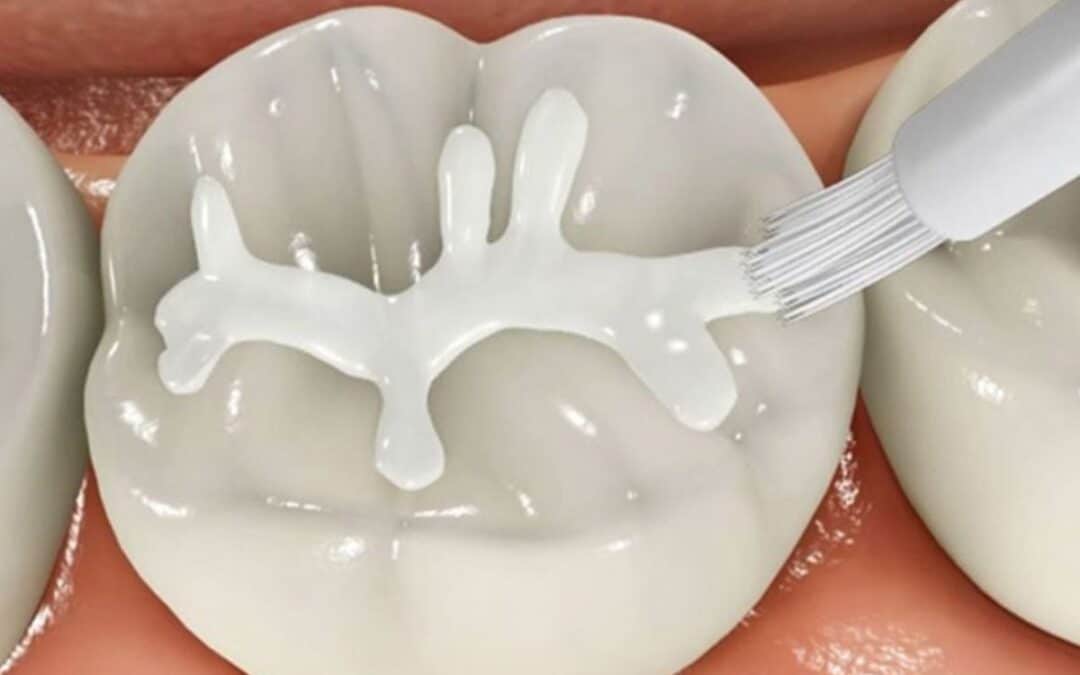
Dental sealants are thin, protective coatings applied to the chewing surfaces of molars and premolars. Made from a safe, plastic-based resin, they bond to tooth enamel, creating a barrier that blocks food particles and bacteria. These coatings target the grooves and pits where cavities often form, especially in children whose brushing skills are still developing. The application is quick, painless, and non-invasive, making it a go-to option for preventive dental care.
Are Dental Sealants Safe?
Safety is a top concern for anyone considering dental treatments, especially for children. The materials used in sealants, typically resin-based, are FDA-approved and have been studied for decades. They show no significant side effects when applied correctly. Some worry about chemicals like BPA in sealants, but studies confirm that any exposure is minimal and far below safety thresholds. For those seeking dental sealants in Whitehouse, TX, rest assured that modern sealants are designed with safety in mind, offering peace of mind for parents and adults alike.
Benefits of Dental Sealants
Sealants are a powerhouse in cavity prevention. According to the American Dental Association, they can reduce cavity risk on permanent molars by up to 80%. This is especially valuable for children, whose molars often have deep grooves that trap food. Adults with similar tooth anatomy or a history of cavities can also benefit. Sealants are durable, lasting up to 10 years with proper care, and they complement regular brushing and flossing. They’re a simple way to strengthen your oral health defenses.
Who Should Get Dental Sealants?
Sealants are most commonly recommended for children and teenagers, particularly between ages 4 and 15, when cavities are more likely. However, adults with deep grooves in their teeth or no prior fillings can also benefit. A dentist in Whitehouse, TX, will assess factors like tooth anatomy, dental history, and oral hygiene habits to determine if sealants are right for you. Even baby teeth may get sealants if a child is prone to cavities, ensuring early protection.
The Application Process: What to Expect
Getting sealants is straightforward. The dentist cleans and dries the teeth, applies a mild gel to prepare the enamel, and then paints on the sealant. A special curing light hardens it in under a minute, forming a strong barrier. There’s no need for sedation, and patients can eat or drink right after. Regular checkups ensure sealants remain intact, especially for those who grind their teeth, which can wear them down faster.
Trending FAQs on Dental Sealants
Here are answers to some frequently asked questions about dental sealants, based on what people often search for:
-
Are dental sealants safe for kids? Yes, sealants are safe for children. They use FDA-approved materials with minimal risks, extensively studied for decades.
-
Can adults get dental sealants? Absolutely, adults with healthy molars or deep grooves can benefit, especially if they’re cavity-prone.
-
Do dental sealants hurt? No, the process is painless, quick, and doesn’t require drilling or anesthesia.
-
How long do dental sealants last? With proper care, sealants can protect teeth for up to 10 years, though regular dental visits help monitor their condition.
-
Can sealants replace brushing and flossing? No, sealants complement oral hygiene routines. Brushing, flossing, and fluoride use remain essential.
-
Are dental sealants visible? Sealants are typically clear, white, or slightly tinted, blending naturally with teeth.
Addressing Common Concerns
Some worry that sealants might interfere with chewing or feel unnatural. In reality, they’re thin and smooth, preserving normal tooth function. Another concern is whether sealants can trap bacteria if they chip. Regular dental visits catch any wear early, ensuring the sealant remains effective. For those hesitant about plastic-based materials, non-plastic options may be available, though they’re less common. Always discuss preferences with your dentist for tailored advice.
Maintaining Dental Sealants
Sealants are low-maintenance but benefit from good oral hygiene. Brush twice daily, floss regularly, and avoid sticky or hard foods that could damage the coating. Routine dental checkups allow professionals to inspect for chips or wear, especially if you have habits like teeth grinding. Pairing sealants with fluoride treatments strengthens enamel, offering a robust defense against decay. This combination is particularly effective for kids still mastering their brushing habits.
Why Choose Sealants for Your Family?
Sealants offer a proactive way to protect smiles, especially for children during their cavity-prone years. They’re a non-invasive, safe solution that saves time and effort compared to treating cavities. For adults, they provide an extra layer of protection for vulnerable teeth. By addressing decay early, sealants support long-term oral health, helping you and your family maintain radiant smiles with confidence.
Protecting your smile or your child’s doesn’t have to be complicated. Dental sealants offer a safe, effective way to prevent cavities, giving you peace of mind and a healthier future. Whether you’re a parent or an adult seeking extra protection, this simple treatment can make a big difference. To learn more or schedule an appointment, contact 110 Dental and Orthodontics at 903-328-6577. Your trusted dentist in Whitehouse, TX is ready to help you achieve a cavity-free smile!
by 110 Dental & Orthodontics | Jul 17, 2025 | Dental Implants, Veneers
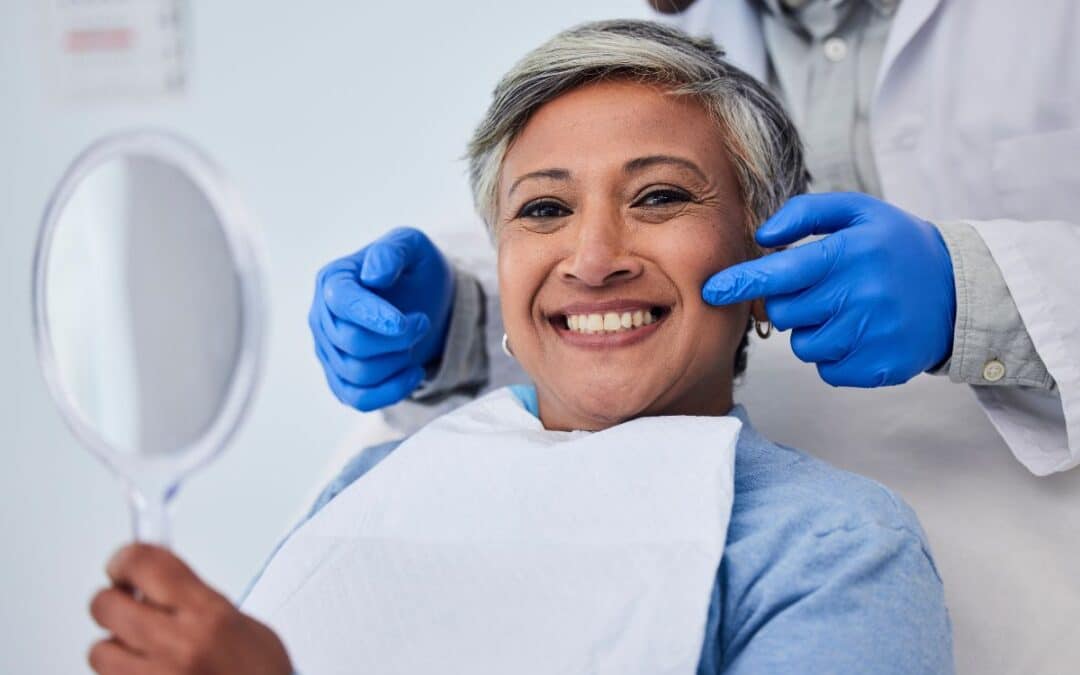
Choosing between dental implants and veneers can feel overwhelming. Both options promise a brighter, more confident smile, but which one suits women best? This blog dives into the differences, benefits, and considerations to help you make an informed decision. Whether you’re seeking durability or a quick aesthetic fix, we’ll explore what works for your lifestyle and dental needs.
Understanding Dental Implants
Dental implants are a long-term solution for missing teeth. They involve a titanium post surgically placed into the jawbone, acting as a tooth root. A custom crown is then attached, mimicking a natural tooth. Implants are sturdy, functional, and blend seamlessly with your smile. They’re ideal for women who want a permanent fix that feels natural.
Implants require a healthy jawbone and good oral health. The process takes several months, including healing time. However, the result is a durable tooth replacement that can last decades with proper care. Women often choose implants for their reliability and ability to restore full chewing function.
Exploring Dental Veneers
Veneers are thin, custom-made shells bonded to the front of your teeth. They’re designed to enhance aesthetics, covering imperfections like stains, chips, or gaps. Made from porcelain or composite resin, veneers offer a quick transformation, often completed in just a couple of visits. They’re popular among women seeking a radiant smile for social or professional reasons.
Unlike implants, veneers don’t replace missing teeth. They’re best for cosmetic enhancements rather than functional restoration. Veneers require minimal tooth enamel removal, making them less invasive. However, they may need replacement every 10-15 years, depending on wear and tear.
Key Differences Between Implants and Veneers
Purpose and Functionality
Implants address missing teeth, restoring both function and appearance. They’re a go-to for women who’ve lost a tooth due to injury or decay. Veneers, on the other hand, focus on aesthetics. They’re perfect for covering surface flaws, but don’t replace teeth. If you need dental implants in Whitehouse, TX, consult a trusted dentist to assess your needs.
Durability and Longevity
Implants are built to last. With proper care, they can endure a lifetime, making them a favorite for women seeking permanence. Veneers, while durable, typically last 10-20 years. Lifestyle factors like teeth grinding or acidic diets can shorten their lifespan. Regular check-ups help maintain both options.
Procedure and Recovery
Implants involve surgery, requiring a longer recovery period. The process includes consultations, surgery, and follow-ups. Veneers are less invasive, with minimal discomfort and quicker results. For women with busy schedules, veneers might seem more appealing due to the shorter timeline.
Health Considerations for Women
Women’s dental health can be influenced by unique factors like hormonal changes or pregnancy. These can affect gum health, which is critical for implants. For instance, sinus issues due to dental implants can occur if upper jaw implants are near sinus cavities, requiring careful planning by your dentist. Veneers, being surface-level, don’t typically pose such risks but may not suit women with severe tooth damage.
Bone density is another consideration. Women, especially post-menopause, may experience bone loss, impacting implant eligibility. Your dentist will evaluate your jawbone health to ensure implants are viable. Veneers don’t require bone support, making them a versatile option for cosmetic fixes.
Aesthetic Outcomes for Confidence
Both implants and veneers boost confidence, but in different ways. Implants provide a natural look and feel, ideal for women wanting a seamless smile. Veneers offer a Hollywood-worthy transformation, perfect for those prioritizing aesthetics. If you’re aiming for a polished look for events or daily life, veneers might edge out. However, implants shine for overall functionality.
Lifestyle Compatibility
Your lifestyle plays a big role in this decision. Active women who enjoy sports or crunchy foods may prefer implants for their strength. Veneers require caution with hard foods to avoid chipping. If you’re a coffee or wine enthusiast, veneers resist stains better than natural teeth, but implants with porcelain crowns are equally stain-resistant.
If you are searching for a dentist serving in Whitehouse, TX, and surrounding communities, finding one experienced in both procedures is key. They can guide you based on your daily habits and long-term goals.
Trending FAQs on Dental Implants vs. Veneers
Here are answers to common questions women ask about implants and veneers, sourced from popular Google queries:
-
Can veneers fix crooked teeth?
Veneers can mask mild misalignment, creating the appearance of straighter teeth. However, they don’t correct the underlying position. Orthodontics or implants may be better for functional alignment issues.
-
Are dental implants painful?
The procedure involves local anesthesia, so discomfort is minimal during surgery. Post-procedure soreness is manageable with prescribed medications. Most women report mild discomfort during recovery.
-
How long do veneers last compared to implants?
Veneers typically last 10-20 years, while implants can last a lifetime with proper care. Maintenance, like regular cleanings, extends the life of both.
-
Can anyone get dental implants?
Not everyone is a candidate. Healthy gums and sufficient jawbone density are necessary. Women with certain health conditions may need alternative solutions like veneers.
-
Do veneers ruin your teeth?
Veneers require minimal enamel removal, which is irreversible but doesn’t “ruin” teeth if done properly. A skilled dentist ensures the process is safe.
Maintenance and Care Tips
Implants require diligent oral hygiene, similar to natural teeth. Brush twice daily, floss, and attend regular dental check-ups. Veneers also need care to prevent staining or damage. Avoid biting hard objects, and use a mouthguard if you grind your teeth. Both options benefit from a consistent oral care routine to maintain their look and function.
Making the Right Choice
Choosing between implants and veneers depends on your goals. Want a permanent fix for missing teeth? Implants are likely your best bet. Seeking a quick cosmetic upgrade? Veneers could be the answer. Discuss your options with a dentist to align the choice with your dental health and lifestyle.
Your Smile, Your Choice
Your smile is a powerful asset, and whether you choose dental implants or veneers, the goal is a confident, healthy you. Both options offer unique benefits tailored to different needs. Take the first step by consulting a trusted dentist to explore what’s right for you. To schedule an appointment, call (903) 328-6577 and start your journey to a radiant smile today.
by 110 Dental & Orthodontics | Jul 9, 2025 | Crowns
Your smile is one of your greatest assets, but damaged or weakened teeth can dim its shine. Dental crowns offer a reliable solution to restore and protect your teeth, blending strength with aesthetics. Whether you’re dealing with a cracked tooth, severe decay, or a root canal, crowns act like a shield, preserving your natural tooth while enhancing its appearance. In this blog, we’ll explore how dental crowns work, their benefits, and practical ways to ensure they last, all while addressing your most pressing questions in a friendly, professional way.
What Are Dental Crowns?
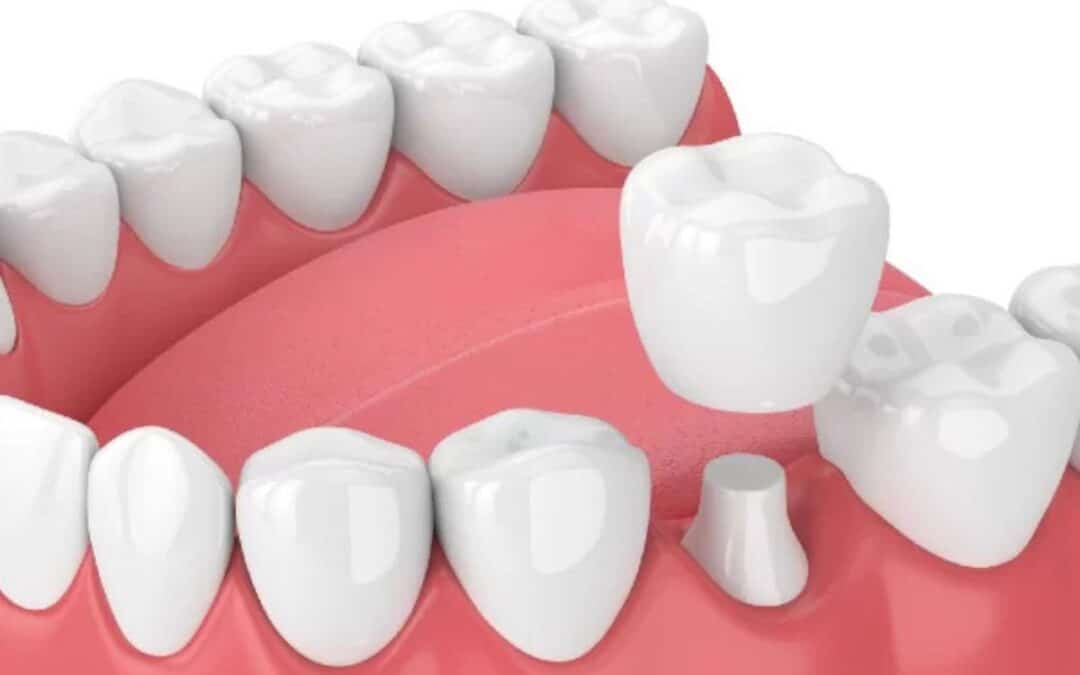
Dental crowns are custom-made caps that fit over a damaged or weakened tooth. They restore its shape, size, and strength while improving its appearance. Think of a crown as a protective helmet for your tooth—it covers the entire visible portion above the gum line. Crowns are versatile, addressing issues like cracks, large fillings, or cosmetic imperfections. They’re crafted from materials like porcelain, ceramic, metal, or a combination, ensuring durability and a natural look.
Why Do You Need a Dental Crown?
Crowns serve multiple purposes. They protect teeth weakened by decay or injury, preventing further damage. After a root canal, a crown provides essential support to the treated tooth. They also cover discolored or misshapen teeth, boosting your smile’s appeal. By acting as a barrier, crowns help maintain your tooth’s integrity, allowing you to chew and speak confidently.
How Do Dental Crowns Protect Your Teeth?
Dental crowns work by encasing the entire visible portion of a tooth, providing a sturdy layer that absorbs the stress of chewing and biting. This protection is crucial for teeth that are cracked, worn down, or structurally compromised. Crowns distribute pressure evenly, reducing the risk of fractures. They also shield the tooth from bacteria and decay, especially after procedures like root canals where the tooth’s natural defenses are weakened.
The Process of Getting a Dental Crown
Getting a crown typically involves two visits to your dentist. First, the dentist examines and prepares the tooth by removing any decay and shaping it to fit the crown. An impression of your tooth is taken to create a custom crown that matches your bite and smile. A temporary crown protects your tooth while the permanent one is made, usually in a lab. On your second visit, the dentist secures the permanent crown with dental cement, ensuring a snug fit. For patients seeking dental crowns in Whitehouse, TX, this process is streamlined with advanced technology for precision and comfort.
Materials Used in Dental Crowns
Crowns come in various materials, each with unique benefits. Porcelain and ceramic crowns mimic the natural color of teeth, making them ideal for front teeth. Metal crowns, like gold or stainless steel, offer unmatched strength for back teeth. Porcelain-fused-to-metal crowns combine aesthetics and durability. Your dentist will recommend the best material based on the tooth’s location and your needs, ensuring both function and a natural appearance.
Benefits of Dental Crowns
Dental crowns offer more than just protection. They restore your ability to chew comfortably, improve speech clarity, and enhance your smile’s aesthetics. Crowns are long-lasting, often enduring 10-15 years with proper care. They also prevent further dental issues, like tooth loss, by stabilizing weakened teeth. For those worried about maintenance, tips for affordable dental crowns include brushing twice daily, flossing, and visiting your dentist regularly to keep your crown in top shape.
Are Dental Crowns Comfortable?
Many patients worry about discomfort, but modern crowns are designed for a seamless fit. The preparation process may cause temporary sensitivity, but once the crown is placed, it feels like a natural tooth. Dentists use precise measurements to ensure your bite aligns perfectly, minimizing any awkwardness. If you experience prolonged discomfort, consult your dentist to adjust the crown’s fit.
Trending FAQs About Dental Crowns
Patients often have questions about dental crowns. Here are answers to some of the most frequently asked questions, sourced from common Google searches:
-
What is the lifespan of a dental crown?
With proper care, crowns can last 10-15 years or longer. Regular dental checkups and good oral hygiene extend their durability.
-
Can a dental crown be replaced?
Yes, if a crown becomes damaged or worn, your dentist can replace it with a new one, following the same process.
-
Do dental crowns require special care?
No special care is needed beyond standard oral hygiene. Brush, floss, and avoid chewing hard objects to protect the crown.
-
Are dental crowns painful to get?
The procedure is typically painless with local anesthesia. Some sensitivity may occur post-treatment but usually subsides quickly.
-
Can crowns get cavities?
The crown itself can’t decay, but the tooth underneath can. Proper hygiene prevents decay at the crown’s base.
How to Care for Your Dental Crowns
Maintaining your crowns is straightforward. Brush twice daily with a soft-bristled toothbrush and use non-abrasive toothpaste to avoid scratching. Floss daily, ideally with floss threaders, to clean around the crown’s edges. Avoid biting down on hard foods like ice or nuts, as these can chip or loosen the crown. Regular dental checkups catch issues early, ensuring your crown stays secure and functional.
Common Misconceptions About Dental Crowns
Some believe crowns are noticeable or unnatural, but modern materials blend seamlessly with your teeth. Others think crowns are only for older adults, yet they benefit anyone with damaged teeth. Another myth is that crowns are permanent; while durable, they may need replacement over time. Understanding these facts helps you make informed decisions about your dental health.
When to Consider a Dental Crown
If you have a cracked tooth, large filling, or recent root canal, a crown may be necessary. Cosmetic concerns, like severe discoloration, also warrant crowns. Your dentist will assess your tooth’s condition and recommend a crown if it’s at risk of further damage. Acting promptly prevents complications like tooth loss or infection, preserving your smile’s health and beauty.
Choosing the Right Dentist for Your Crown
Selecting a skilled dentist in Whitehouse ensures your crown fits perfectly and lasts. Look for a provider with experience in restorative dentistry and access to modern technology. A good dentist will explain the process, answer your questions, and tailor the crown to your needs. Reading reviews and asking for recommendations can guide you to a trustworthy professional.
Why Dental Crowns Are a Smart Choice
Dental crowns combine functionality with aesthetics, offering a versatile solution for damaged teeth. They protect your natural tooth, restore your confidence, and prevent future dental issues. With proper care, crowns provide long-term benefits, making them a worthwhile investment in your oral health. By addressing both structural and cosmetic concerns, crowns help you smile with ease.
Dental crowns are a game-changer for anyone looking to protect and enhance their smile. By encasing weakened teeth, they provide strength, durability, and a natural look that boosts confidence. With straightforward care and regular dental visits, crowns can serve you for years, safeguarding your oral health. If you’re considering crowns, consult your dentist to explore how they can address your unique needs and keep your smile shining bright.
by 110 Dental & Orthodontics | Jul 2, 2025 | Dentures
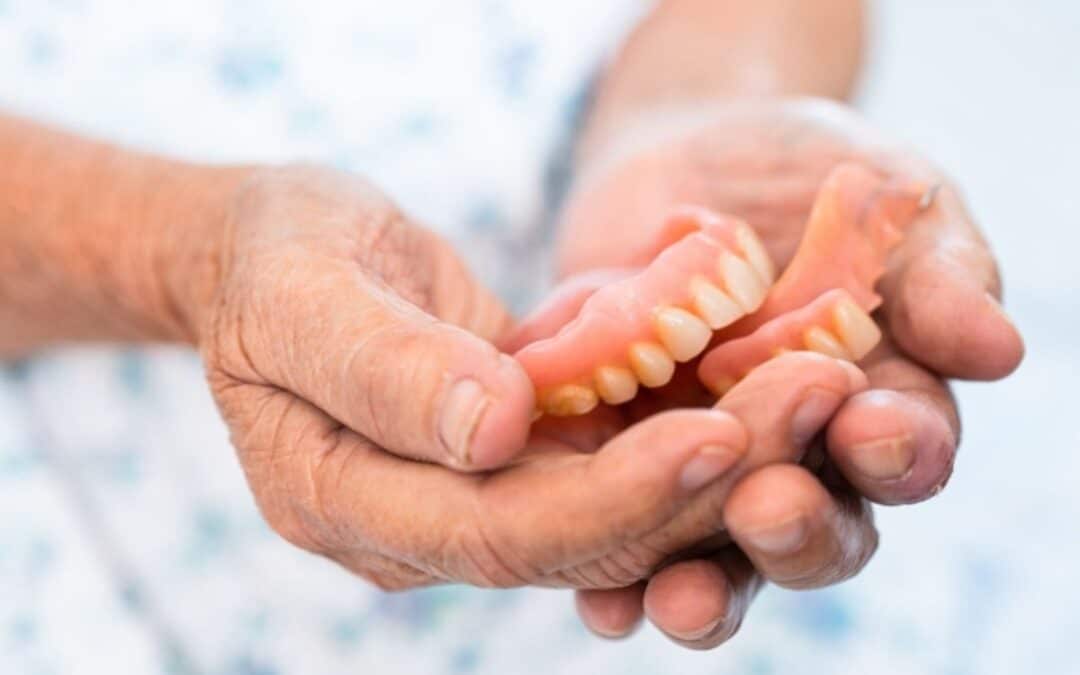
Dentures can transform your smile and boost your confidence. Proper care ensures they last longer and stay comfortable. This guide shares practical tips to maintain your dentures, addressing common concerns and offering actionable advice to keep them in top shape.
Why Denture Care Matters
Dentures are an investment in your oral health. Without proper care, they can wear out, harbor bacteria, or cause discomfort. Regular maintenance keeps them functional, clean, and looking natural, so you can smile with ease.
Daily Cleaning Tips for Dentures
Brush Your Dentures Daily
Clean your dentures every day to remove food particles and plaque. Use a soft-bristled denture brush and non-abrasive denture cleaner. Avoid regular toothpaste, as it can scratch the surface. Brush gently over a folded towel to prevent damage if dropped.
Soak Them Overnight
Soaking dentures keeps them moist and clean. Use a denture-soaking solution or water. Avoid hot water, as it can warp the material. Soaking also helps remove stains and bacteria, keeping your dentures in Whitehouse, TX, fresh and hygienic.
Rinse After Meals
Rinse your dentures after eating to remove debris. Hold them carefully to avoid slipping. A quick rinse prevents food buildup, reducing the risk of stains or odors.
Handling Dentures with Care
Avoid Dropping Them
Dentures can break if dropped. Handle them over a soft surface, like a towel or a sink filled with water. This precaution saves you from costly repairs and ensures longevity.
Store Properly When Not in Use
Never let dentures dry out. Store them in a denture solution or water when not wearing them. Dry dentures can lose their shape, leading to poor fit and discomfort.
Maintaining Oral Health with Dentures
Clean Your Mouth Thoroughly
Your oral health impacts denture performance. Brush your gums, tongue, and palate with a soft toothbrush to remove plaque. This prevents irritation and keeps your mouth healthy. If you are searching for “dentist near me“, a local professional can guide you on oral hygiene tailored to denture wearers.
Regular Dental Checkups
Visit your dentist regularly to ensure your dentures fit well. Ill-fitting dentures can cause sores or jaw issues. A dentist can adjust them and check for oral health concerns, ensuring comfort and durability.
Avoiding Common Denture Mistakes
Don’t Use Harsh Cleaners
Avoid bleach or abrasive cleaners, as they can damage dentures. Stick to products designed for denture care. Harsh chemicals weaken the material, leading to cracks or discoloration.
Skip Hot Water and Extreme Temperatures
Hot water can warp dentures, affecting their fit. Similarly, avoid exposing them to extreme heat, like leaving them in a hot car. Use lukewarm water for cleaning and soaking.
Don’t Attempt DIY Repairs
If your dentures crack or break, don’t try fixing them yourself. DIY repairs can cause further damage. Consult a dental professional for proper repairs to maintain their integrity.
Trending FAQs on Denture Care
Here are answers to common questions people ask about denture care, sourced from popular Google searches:
-
How often should I clean my dentures?
Clean them daily with a denture brush and soak them overnight to remove bacteria and stains.
-
Can I sleep with my dentures in?
It’s best to remove them at night to let your gums rest and prevent irritation or infections.
-
How long do dentures typically last?
With proper care, dentures can last 5–7 years, but regular checkups ensure they remain functional.
-
What should I do if my dentures feel loose?
Visit your dentist for adjustments. Loose dentures can cause discomfort or chewing issues.
-
Are there foods to avoid with dentures?
Avoid sticky or hard foods like caramel or nuts, as they can damage or dislodge dentures.
Lifestyle Tips for Denture Longevity
Watch Your Diet
Sticky or hard foods, like toffee or popcorn kernels, can damage dentures. Opt for softer foods and cut them into smaller pieces. Chewing evenly on both sides reduces wear and tear.
Stay Hydrated
A dry mouth can cause discomfort with dentures. Drink plenty of water to keep your mouth moist and reduce friction. Hydration also supports overall oral health.
Quit Smoking and Limit Alcohol
Smoking stains dentures and harms oral tissues. Excessive alcohol can dry your mouth, increasing irritation. Reducing these habits helps maintain denture appearance and fit.
When to Replace Your Dentures
Even with excellent care, dentures don’t last forever. Over time, changes in your jawbone or gum tissue may affect fit. If you notice persistent discomfort, difficulty chewing, or visible wear, consult your dentist. They can assess whether adjustments or replacements are needed.
Building a Denture Care Routine
Consistency is key to denture longevity. Create a daily routine: brush and rinse dentures after meals, soak them overnight, and clean your mouth thoroughly. Pair this with regular dental visits to catch issues early. A reliable routine keeps your dentures comfortable and functional.
Caring for your dentures doesn’t have to be complicated. With daily cleaning, proper handling, and regular dental visits, you can extend their lifespan and maintain a confident smile. Follow these tips, avoid common mistakes, and consult your dentist for personalized advice to keep your dentures in excellent condition for years.