by 110 Dental & Orthodontics | Jun 25, 2025 | Cosmetic Dentistry
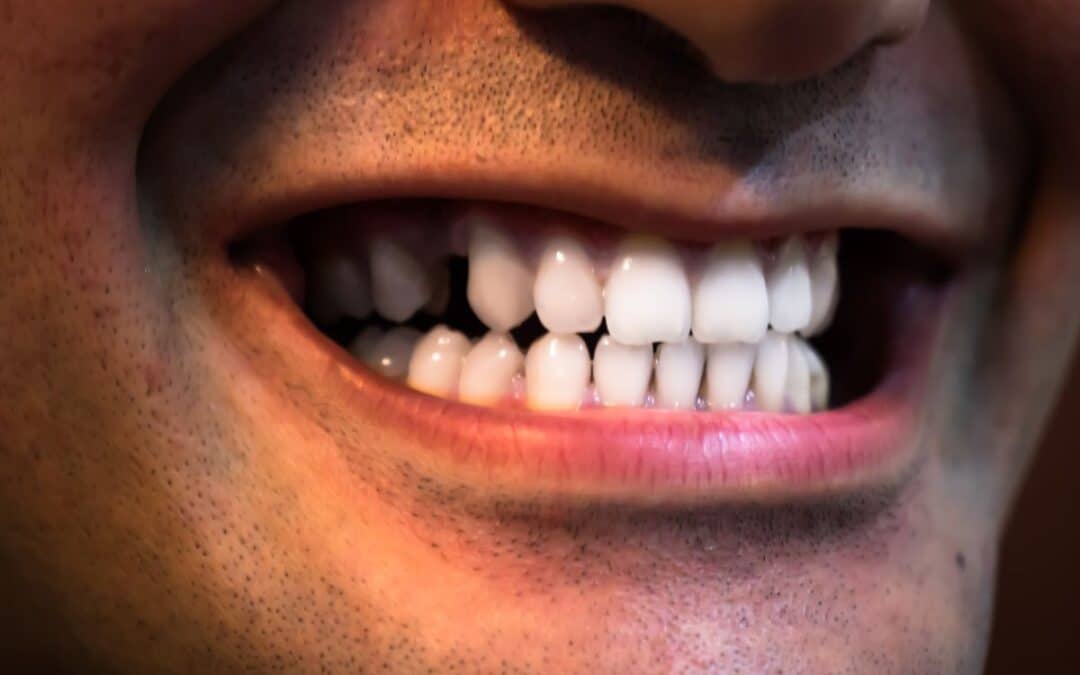
Blueberries are a star at Independence Day celebrations, bursting with flavor in pies, smoothies, and fruit salads. But their deep, vibrant pigment can leave stubborn stains on your teeth, dimming your festive smile. Don’t let blueberry stains steal your confidence this Fourth of July. This guide shares practical, expert-backed tips to remove those pesky stains and keep your smile dazzling for the holiday. Let’s dive into simple, effective ways to restore your pearly whites.
Why Blueberry Stains Are So Stubborn
Blueberries contain anthocyanins, natural pigments responsible for their rich blue and purple hues. These compounds cling to tooth enamel, especially if it’s porous from wear or poor oral hygiene. Stains settle into microscopic crevices, making them tricky to remove without the right approach. Acting quickly is key to preventing lasting discoloration.
Immediate Steps to Tackle Blueberry Stains
Rinse Your Mouth Right Away
After enjoying blueberries, rinse your mouth with water within 30 minutes. Swishing for 15–20 seconds helps wash away pigments before they set. Avoid brushing immediately, as enamel may be temporarily softened by the fruit’s acidity, making it prone to damage.
Use a Straw for Blueberry Drinks
For smoothies or juices, use a straw to minimize contact with your teeth. This simple trick reduces staining and protects enamel from acidic exposure. Keep reusable straws handy for festive gatherings.
Chew Sugar-Free Gum
Chewing sugar-free gum stimulates saliva production, which naturally cleanses teeth and neutralizes acids. Look for gum with xylitol, a natural sweetener that fights stain-causing bacteria. Pop a piece after your blueberry dessert for a quick defense.
At-Home Remedies for Blueberry Stain Removal
Baking Soda and Water Paste
Baking soda is a mild abrasive that can gently scrub away surface stains. Mix a teaspoon of baking soda with a few drops of water to form a paste. Apply it to your toothbrush and gently brush for one minute. Rinse thoroughly and use this method no more than twice a week to avoid enamel wear.
Hydrogen Peroxide Rinse
A diluted hydrogen peroxide rinse (3% solution mixed with equal parts water) can help lift stains. Swish for 30 seconds, then rinse with plain water. Use this sparingly—once or twice weekly—to prevent gum irritation. Always consult a dental professional before trying new remedies.
Crunchy Fruits and Vegetables
Nature’s toothbrush—crisp apples, carrots, or celery—can help scrub away light stains. Their texture polishes teeth while stimulating saliva. Snack on these after blueberries for a natural clean.
Professional Solutions for a Dazzling Smile
Sometimes, home remedies need a boost, especially before a big event like Independence Day. If you are searching for “cosmetic dentist near me“, a professional can offer safe, effective treatments to remove blueberry stains. For residents of Whitehouse, TX, teeth whitening provides advanced options tailored to your needs.
In-Office Whitening Treatments
Dentists use professional-grade whitening agents, like carbamide peroxide, to tackle deep stains. These treatments are faster and more effective than over-the-counter kits, often delivering results in a single visit. Your dentist ensures your gums and enamel stay protected.
Custom Take-Home Trays
For convenience, ask about custom whitening trays. These trays, molded to your teeth, allow you to apply professional-strength gel at home. They’re perfect for touch-ups before your Fourth of July festivities.
Preventing Blueberry Stains Before They Start
Brush and Floss Regularly
A solid oral hygiene routine is your first line of defense. Brush twice daily with a whitening toothpaste containing mild abrasives or enzymes. Floss daily to remove plaque that can trap pigments. Consistency keeps your enamel smooth and less prone to staining.
Avoid Combining Stains
Blueberries paired with coffee, red wine, or soda can worsen discoloration. These beverages have their own pigments or acids that amplify staining. Stick to water or unsweetened tea during meals to minimize the risk.
Use a Protective Sealant
Some dental offices offer sealants that create a barrier on enamel, reducing stain absorption. Ask your dentist about this option before the holiday season to keep your smile stain-free.
Trending FAQs on Blueberry Stain Removal
Here are answers to common questions people ask about tackling blueberry stains, sourced from popular online searches:
-
How do I remove blueberry stains from my teeth quickly?
Rinse with water immediately after eating, then brush gently with a whitening toothpaste. For faster results, try a baking soda paste or consult a dentist for professional whitening.
-
Can blueberry stains damage my teeth permanently?
No, blueberry stains are surface-level and don’t cause permanent damage. However, neglecting them can lead to plaque buildup, which may harm enamel over time.
-
Are natural remedies safe for stain removal?
Remedies like baking soda or hydrogen peroxide are safe when used sparingly and correctly. Overuse can erode enamel or irritate gums, so follow guidelines or ask a dentist.
-
How often should I whiten my teeth to remove stains?
At-home whitening should be done no more than once or twice weekly. Professional teeth whitening treatments in Whitehouse, TX, can be scheduled every 6–12 months, depending on your dentist’s advice.
-
Do whitening toothpastes really work for blueberry stains?
Yes, whitening toothpastes with mild abrasives or enzymes can help remove surface stains. They work best for fresh stains and regular use but may not tackle deep discoloration.
Maintaining Your Smile Beyond Independence Day
To keep your smile bright long after the fireworks, adopt habits that prevent stains from returning. Drink plenty of water to rinse away food particles. Limit acidic or pigmented foods and beverages, especially in one sitting. Schedule regular dental cleanings—every six months is ideal—to remove buildup and catch issues early. Your dentist can also recommend whitening touch-ups or products tailored to your needs.
When to See a Dentist
If at-home methods don’t fully remove blueberry stains, it’s time to seek professional care. A dentist can assess whether stains are surface-level or tied to deeper enamel issues. They may suggest whitening treatments, polishing, or other cosmetic solutions to restore your smile’s sparkle. Persistent discoloration could also signal other dental concerns, so don’t delay a visit if stains linger.
Keep Your Smile Festive and Bright
With Independence Day around the corner, a radiant smile can boost your confidence during celebrations. By acting quickly, using at-home remedies, and seeking professional care when needed, you can banish blueberry stains and shine bright. Follow these tips, maintain good oral hygiene, and enjoy the holiday with a dazzling, worry-free smile. Here’s to sparkling teeth and a festive Fourth of July!
by 110 Dental & Orthodontics | Jun 18, 2025 | Braces, Orthodontics
Braces are a transformative tool for achieving a confident, aligned smile, but they can sometimes encounter issues that require immediate attention. Whether you’re midway through your orthodontic journey or just starting, knowing how to spot signs of trouble can save you discomfort and keep your treatment on track. In this blog, we’ll walk you through the key indicators that your braces need emergency repair, offer practical tips for managing issues, and share insights to ensure your orthodontic experience remains smooth and effective. Let’s dive into what you need to watch for to maintain your braces in top shape.
Understanding How Braces Work
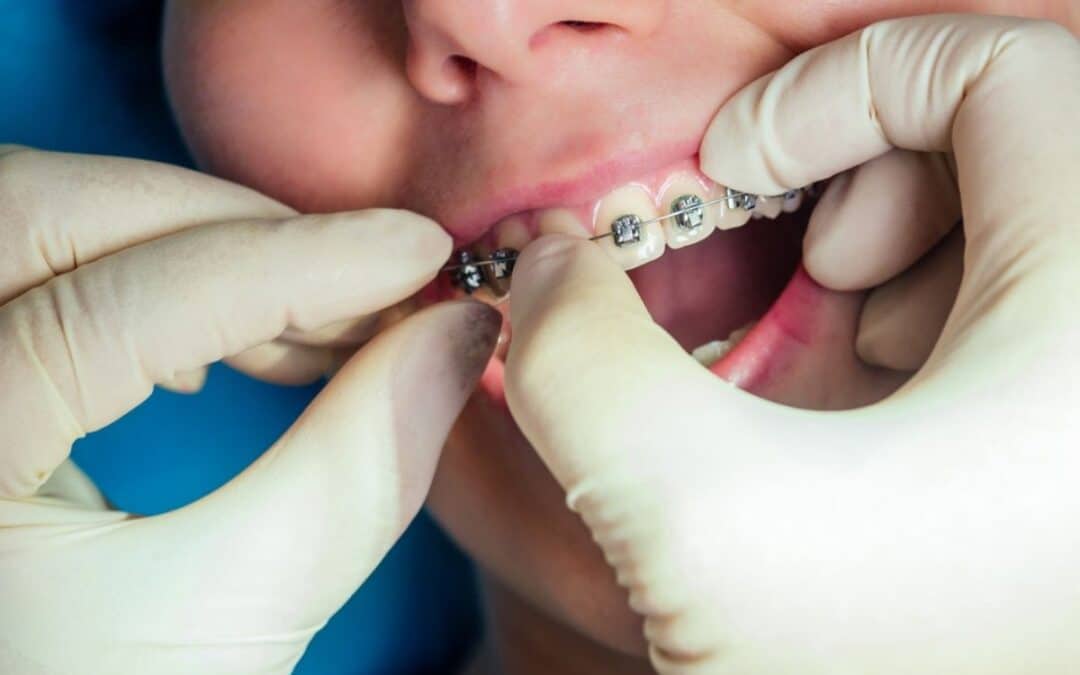
Braces consist of brackets, wires, and bands that work together to gradually shift your teeth into proper alignment. The brackets are bonded to your teeth, while the archwire applies gentle pressure to guide movement. This system is durable but not indestructible. Every day activities like eating or accidental impacts can sometimes cause damage, leading to the need for urgent repairs. Recognizing the signs of a problem early can prevent delays in your treatment and avoid further complications.
Common Signs Your Braces Need Emergency Repair
Several issues can signal that your braces require immediate attention. Here’s what to look for:
Broken or Loose Brackets
If a bracket comes loose or breaks off, it can’t apply the necessary pressure to move your tooth. This often happens after biting into hard foods like apples or nuts. A loose bracket may also irritate your gums or cheeks, causing discomfort. If you notice a bracket dangling or completely detached, it’s time to schedule a repair.
Poking or Broken Wires
Archwires can sometimes snap or bend, especially if you’ve eaten something sticky or hard. A broken wire might poke into your gums, tongue, or cheeks, leading to soreness or cuts. If the wire is protruding, you may feel sharp pain or irritation. This is a clear sign that your braces need urgent attention to prevent further injury.
Loose Bands or Spacers
Bands and spacers help create space and secure the braces to your teeth. If a band becomes loose or a spacer falls out, it can disrupt your treatment. You might feel a gap or notice increased movement in your braces. This issue can also lead to food getting trapped, increasing the risk of decay or gum irritation.
Severe Pain or Discomfort
Some discomfort is normal with braces, especially after adjustments. However, sudden, intense pain that doesn’t subside could indicate a problem. For instance, a wire might have shifted and be pressing against your gums, or a bracket may be rubbing excessively. Persistent pain warrants a check-up to ensure nothing is seriously wrong.
Swollen or Bleeding Gums
Gums that are unusually swollen, red, or bleeding around your braces could signal an issue. This might happen if a broken component is irritating the tissue or if food particles are trapped, leading to inflammation. While mild gum sensitivity is common, severe symptoms should not be ignored.
What to Do If You Notice These Signs
If you spot any of these issues, don’t panic. First, assess the severity. For minor irritations, like a poking wire, you can use orthodontic wax to cover the sharp edge temporarily. Avoid eating hard or sticky foods to prevent further damage. Next, reach out to your orthodontic provider as soon as possible. They can advise you on whether the issue requires an immediate visit or if it can wait for a scheduled appointment. In the meantime, rinse your mouth with warm saltwater to reduce irritation and keep the area clean.
How to Prevent Emergency Repairs
Prevention is always better than a fix. Here are some tips to keep your braces in good condition:
- Avoid hard, sticky, or chewy foods like caramel, popcorn, or ice.
- Cut tough foods like carrots or apples into smaller pieces before eating.
- Wear a mouthguard if you play sports to protect your braces from impact.
- Maintain good oral hygiene by brushing and flossing daily to prevent food buildup.
- Attend all scheduled orthodontic appointments to catch potential issues early.
By following these habits, you can reduce the likelihood of needing emergency repairs and keep your treatment progressing smoothly.
Finding Reliable Orthodontic Care
For those in the area, seeking care for braces in Whitehouse, TX, ensures you have access to professionals who can address emergencies promptly. Local orthodontic practices are equipped to handle repairs, from fixing broken brackets to adjusting wires. Choosing a provider with experience in handling urgent cases can make a big difference in your treatment journey. Make sure to ask about their availability for emergency appointments so you’re prepared if an issue arises.
Trending FAQs on Braces Emergency Repairs
Here are some frequently asked questions about braces repairs, sourced from common Google searches:
- What should I do if my braces wire is poking me? Use orthodontic wax to cover the wire, and contact your orthodontist for a quick fix.
- Can I fix a loose bracket at home? No, avoid trying to fix it yourself. A professional repair is necessary to ensure proper alignment.
- How do I know if my braces are damaged? Look for signs like broken wires, loose brackets, or sudden pain that doesn’t go away.
- What happens if I ignore a broken brace? Ignoring damage can delay your treatment and lead to discomfort or further complications.
- How often do braces need repairs? It varies, but most patients experience at least one minor issue during treatment.
These questions reflect common concerns and highlight the importance of addressing issues quickly to maintain your orthodontic progress.
When to Contact Your Orthodontist
Not every issue requires an emergency visit, but some situations shouldn’t wait. If you experience severe pain, significant bleeding, or a component that’s causing injury, don’t delay. For instance, a wire that’s deeply embedded in your gums or a bracket that’s come completely off needs prompt attention. A trusted orthodontist in Whitehouse, TX, can provide the expertise needed to handle these situations effectively. They’ll assess the damage, perform the necessary repairs, and ensure your treatment stays on course. Always keep their contact information handy for quick access during emergencies.
Navigating the ups and downs of braces doesn’t have to be overwhelming. By staying vigilant for signs of trouble, taking preventive steps, and knowing when to seek help, you can keep your orthodontic journey on the right path. Emergencies can happen, but with the right knowledge and support, you’ll be prepared to handle them confidently. A well-maintained set of braces brings you one step closer to the smile you’ve been dreaming of, so don’t hesitate to reach out for help when you need it.
by 110 Dental & Orthodontics | Jun 11, 2025 | Dental Bridges
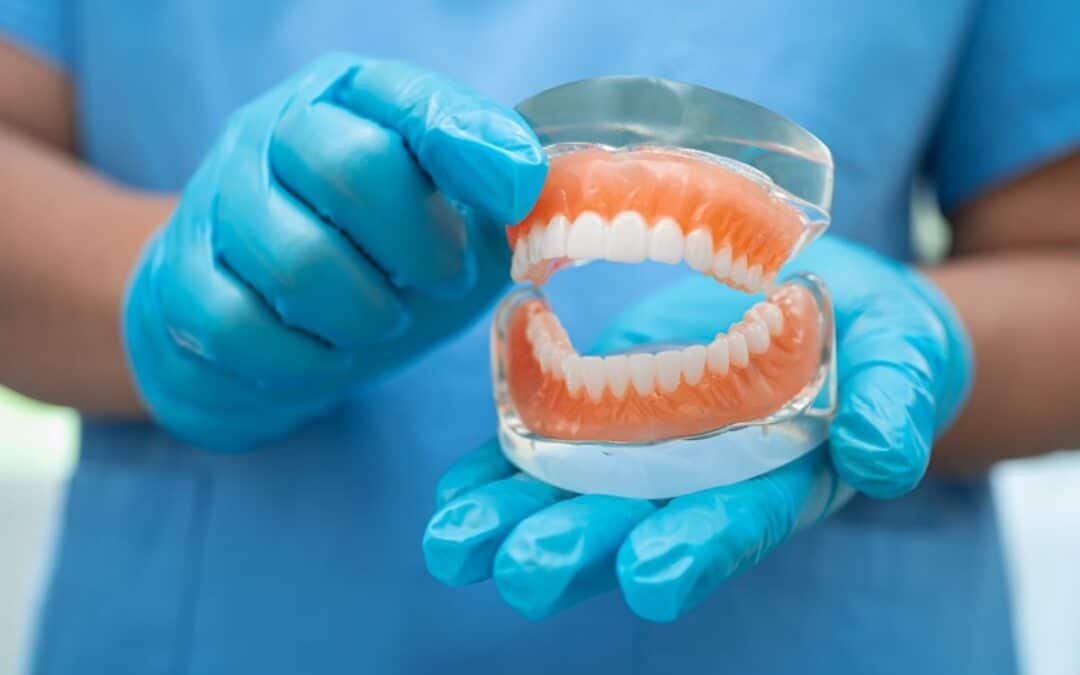
Dental bridges are a fantastic solution for replacing missing teeth, restoring both function and aesthetics to your smile. They fill the gap left by one or more missing teeth, using adjacent teeth or implants for support. However, a common question arises: Do dental bridges require special cleaning? The short answer is yes. Proper maintenance is key to ensuring their longevity and preventing complications like gum disease or decay in the supporting teeth. In this blog, we’ll explore how to care for your dental bridge, from daily routines to professional checkups, while addressing common mistakes and offering practical tips to keep your smile healthy.
Daily Care Routine for Bridges
Maintaining a dental bridge starts with a consistent daily routine. Unlike natural teeth, bridges are fixed prosthetics, meaning they’re not removable by the patient. This makes cleaning a bit more involved. Brush twice a day with a soft-bristled toothbrush to remove plaque and food particles. Pay extra attention to the area where the bridge meets the gumline, as debris can easily accumulate there. Flossing is equally important—use tools like floss threaders or interdental brushes to clean beneath the bridge. Rinse with an antiseptic mouthwash to kill bacteria and freshen your breath. A thorough routine takes just a few minutes but can significantly extend the life of your bridge.
Best Toothpaste & Floss for Bridge Maintenance
Choosing the right products makes a big difference in bridge care. Opt for a non-abrasive, fluoride toothpaste to protect the enamel of your natural teeth and the surface of the bridge. Toothpastes with tartar control can help prevent buildup around the prosthetic. For flossing, traditional string floss works, but it’s often tricky to maneuver under a bridge. Floss threaders are a great alternative—they allow you to slide the floss beneath the bridge easily. Alternatively, interdental brushes with soft bristles can clean hard-to-reach areas without irritating your gums. Look for products approved by the American Dental Association (ADA) for added assurance of quality and effectiveness.
Water Flossers vs. Threaders: Which is Better?
When it comes to cleaning under a dental bridge, water flossers and floss threaders are popular choices, but which is better? Water flossers use a stream of water to remove debris and plaque, making them ideal for those with dexterity issues or sensitive gums. They’re easy to use and can cover larger areas quickly. On the other hand, floss threaders offer more precision, allowing you to target specific spots beneath the bridge. They’re also more portable and don’t require a power source. Studies, like one from the Journal of Clinical Dentistry, show water flossers can reduce plaque by up to 50% more than traditional flossing. However, threaders might be better for tight spaces. Ultimately, the best choice depends on your comfort and dental needs—your dentist can help you decide.
How Often to Visit the Dentist for Checkups
Regular dental visits are crucial for maintaining a dental bridge. The American Dental Association recommends checkups every six months, but those with bridges may benefit from more frequent visits, especially in the first year after placement. During these appointments, your dentist will examine the bridge for signs of wear, check the health of supporting teeth, and perform a professional cleaning to remove tartar buildup. If you’re in the Whitehouse area, scheduling with a provider experienced in dental bridges in Whitehouse, TX, ensures you get specialized care. These visits also allow early detection of issues like gum inflammation or decay, helping you avoid bigger problems down the line.
Common Cleaning Mistakes to Avoid
Even with the best intentions, it’s easy to make mistakes when cleaning a dental bridge. One common error is neglecting the area beneath the bridge, where food and bacteria can accumulate, leading to gum disease. Another mistake is using a hard-bristled toothbrush, which can damage the bridge material or irritate your gums. Avoid abrasive toothpastes with harsh ingredients like baking soda—they can scratch the prosthetic surface. Skipping flossing is a big no-no; without cleaning under the bridge, you risk plaque buildup and bad breath. Lastly, don’t ignore signs of discomfort or looseness in the bridge. If something feels off, schedule a dental visit promptly to address the issue.
Local Whitehouse Dentist Recommendations
Finding a skilled dentist in Whitehouse, TX, can make all the difference in caring for your dental bridge. Look for practices with experience in prosthodontics, as they specialize in restorations like bridges. Check online reviews for feedback on patient care and expertise. Many Whitehouse dentists offer personalized advice on bridge maintenance, ensuring your prosthetic stays in top shape. Some practices also provide advanced tools like digital imaging to monitor your bridge over time. A local dentist who understands your needs can offer tailored recommendations, from cleaning techniques to the best products for your oral health.
Trending FAQs on Dental Bridge Cleaning
Here are some frequently asked questions about dental bridge cleaning, sourced from common Google searches:
- How do I clean under my dental bridge? Use a floss threader, interdental brush, or water flosser to remove debris beneath the bridge daily.
- Can I use regular toothpaste on a dental bridge? Yes, but choose a non-abrasive, fluoride toothpaste to avoid damaging the bridge or supporting teeth.
- How do I know if my bridge is dirty? Signs include bad breath, gum redness, or visible debris around the bridge—schedule a dental visit if you notice these.
- Do dental bridges stain easily? Bridges made of porcelain are stain-resistant, but plaque buildup can cause discoloration if not cleaned properly.
- Can poor cleaning affect my bridge’s lifespan? Yes, neglecting hygiene can lead to decay in supporting teeth or gum disease, which may compromise the bridge.
These FAQs address common concerns, helping you better understand how to care for your bridge effectively.
Keep Your Dental Bridge in Top Shape
Dental bridges do require special cleaning, but with the right routine, tools, and professional care, they can last for many years while keeping your smile bright. By brushing and flossing daily, choosing the right products, and visiting your dentist regularly, you’ll protect both your bridge and overall oral health. Avoiding common cleaning mistakes and addressing issues early ensures your bridge remains functional and comfortable. If you’re in Whitehouse, local dentists can provide the expert care you need to maintain your prosthetic. With a little effort, your dental bridge can continue to enhance your smile and confidence for the long haul.
by 110 Dental & Orthodontics | Jun 4, 2025 | Dental Implants
Dental implants have become a go-to solution for replacing missing teeth, offering a natural look and long-lasting functionality. For Whitehouse, TX, residents living with diabetes, the journey to a restored smile can come with unique considerations. This blog will explore how diabetes impacts the dental implant process, what precautions to take, and how to ensure a successful outcome. Let’s dive into the essentials to help you make informed decisions about your oral health.
Understanding Dental Implants and Diabetes
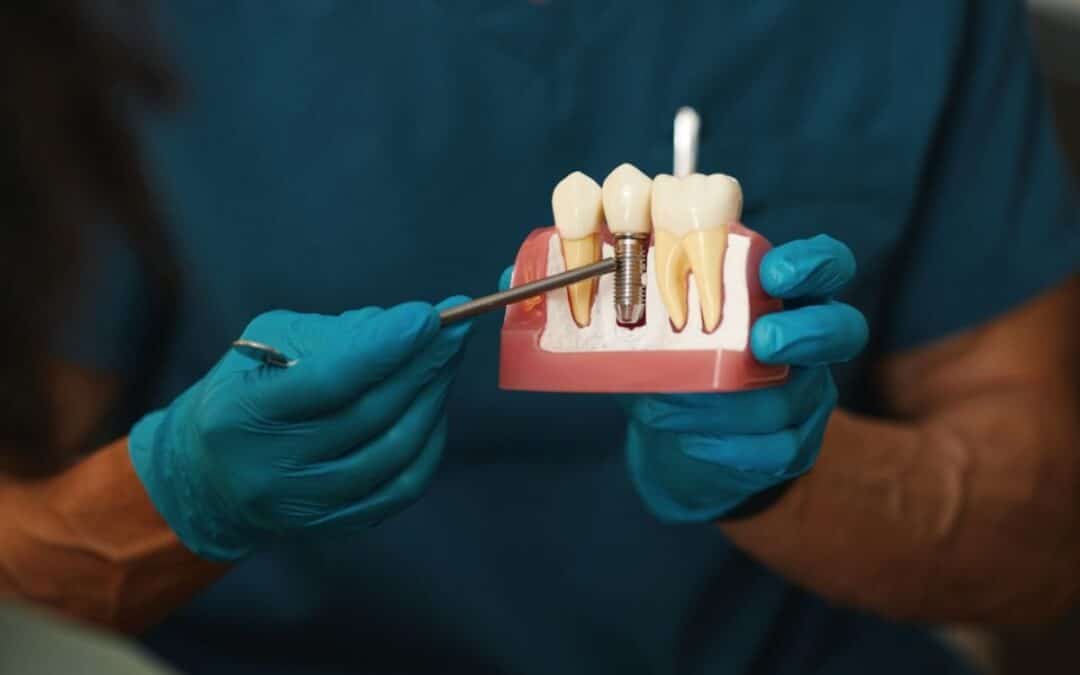
Dental implants are titanium posts surgically placed into the jawbone to act as artificial tooth roots. They support crowns, bridges, or dentures, mimicking natural teeth in both appearance and function. For diabetics, the process can be more complex due to the condition’s effect on healing and infection risk. High blood sugar levels can slow recovery and increase the likelihood of complications like gum disease or implant failure. However, with proper management, many diabetics successfully receive implants. The key lies in controlling blood glucose levels and working closely with your healthcare team.
Can Diabetics Get Dental Implants?
Absolutely, diabetics can get dental implants, but careful planning is essential. Studies, such as those from the American Academy of Implant Dentistry, show that well-controlled diabetics have success rates comparable to non-diabetics, often above 95%. The primary concern is poor glycemic control, which can impair osseointegration, the process where the implant fuses with the jawbone. Uncontrolled diabetes may also heighten the risk of peri-implantitis, a gum infection around the implant. If your A1C levels are stable (typically below 7%) and you maintain good oral hygiene, you’re likely a strong candidate. Always consult your endocrinologist and dentist to assess your readiness.
Steps to Ensure a Successful Implant Journey in Whitehouse
For Whitehouse residents considering this procedure, preparation is critical. Here’s how to set yourself up for success:
- Manage Blood Sugar: Keep your glucose levels in check before and after surgery. Consistent monitoring and medication adherence are vital.
- Prioritize Oral Hygiene: Brush twice daily, floss regularly, and use an antiseptic mouthwash to reduce infection risks.
- Choose an Experienced Dentist: Look for professionals in dental implants in Whitehouse, TX, who have experience working with diabetic patients. Their expertise can make a significant difference.
- Follow Pre- and Post-Surgery Guidelines: Your dentist may recommend antibiotics before surgery to prevent infection. After the procedure, stick to a soft diet and avoid smoking, which can delay healing.
- Schedule Regular Checkups: Frequent dental visits help catch potential issues early, ensuring your implant remains stable.
These steps, combined with a tailored treatment plan, can help mitigate risks and support a smooth recovery.
How Diabetes Affects Healing and Implant Longevity
Diabetes can slow the body’s natural healing process, which is crucial for implant success. Elevated blood sugar levels reduce blood flow, impairing the delivery of oxygen and nutrients to the surgical site. This can delay osseointegration and increase the chance of infection. Additionally, diabetics are more prone to gum disease, which can compromise the implant’s stability over time. However, with diligent care, these risks can be minimized. Maintaining a healthy diet, managing stress, and following your dentist’s advice can enhance healing and ensure your implant lasts for decades.
Lifestyle Tips for Diabetics with Dental Implants
Living with implants as a diabetic requires ongoing care. Adopt a balanced diet low in sugars to support both your implants and overall health. Foods rich in calcium and vitamin D, like leafy greens and dairy, strengthen jawbone health. Avoid sticky or hard foods that could stress the implant, especially during the initial healing phase. Quit smoking, as it can exacerbate diabetes-related complications and hinder recovery. Lastly, stay hydrated—proper hydration supports gum health and reduces the risk of dry mouth, a common issue for diabetics that can lead to bacterial growth.
Trending FAQs on Dental Implants for Diabetics
Here are answers to some frequently asked questions that Whitehouse residents often search for:
- How long does it take for a diabetic to heal after dental implant surgery? Healing typically takes 3-6 months, but it may be slightly longer for diabetics due to slower recovery. Good glucose control can speed this up.
- Are there specific risks for diabetics with dental implants? Yes, risks include delayed healing, infection, and implant failure, particularly if blood sugar is uncontrolled.
- Can I get dental implants if my diabetes is not well-controlled? It’s best to wait until your diabetes is under control, as high glucose levels increase the risk of complications.
- What type of dental implant is best for diabetics? The type depends on your oral health, not diabetes. Your dentist will recommend the best option, often standard titanium implants.
These answers address common concerns, helping you feel more confident about the process.
Finding the Right Dental Implant Provider
Choosing a skilled provider is crucial for a successful outcome. If you’re searching for “dental implants near me“, Whitehouse has several reputable options. Look for a dentist with experience in treating diabetic patients, as they’ll understand the nuances of your care needs. Check for board certification, patient reviews, and a focus on personalized treatment plans. A local expert can guide you through the process, ensuring your implants are placed with precision and care.
Take the Next Step Toward a Confident Smile
Dental implants can be a life-changing solution for diabetics in Whitehouse, offering a path to a fully restored smile. By understanding the process, managing your diabetes, and partnering with a skilled dentist, you can achieve excellent results. Take the first step by scheduling a consultation with a local professional to explore your options and start your journey toward better oral health.
by 110 Dental & Orthodontics | May 23, 2025 | Cosmetic Dentistry, Teeth Whitening
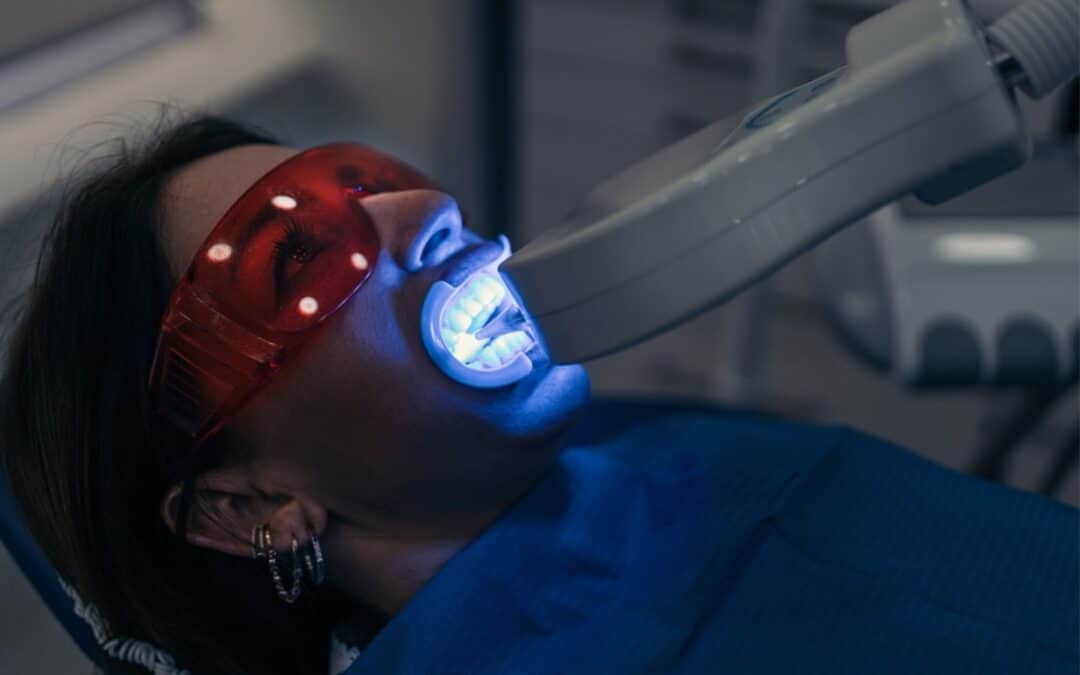
A bright, confident smile can transform your appearance and boost your self-esteem. In Whitehouse, TX, cosmetic dentistry offers advanced solutions to enhance your smile, with teeth whitening in Whitehouse, TX being one of the most sought-after treatments. Whether you’re looking to remove stubborn stains or achieve a naturally radiant smile, professional cosmetic dentistry delivers safe, effective, and long-lasting results.
The Power of Professional Teeth Whitening
Unlike over-the-counter products, professional teeth whitening in Whitehouse, TX uses high-quality bleaching agents under controlled conditions. This ensures even whitening without harming enamel. Dentists customize treatments based on your needs, whether you prefer in-office whitening or take-home kits.
Why Choose Cosmetic Dentistry for Whiter Teeth?
-
Safe & Effective – Professional treatments minimize sensitivity and gum irritation.
-
Long-Lasting Results – Whitening effects can last months with proper care.
-
Customized Approach – A cosmetic dentist near Whitehouse tailors the treatment to your tooth shade and sensitivity levels.
Beyond Whitening: Other Cosmetic Dental Solutions
While whitening is popular, cosmetic dentistry offers more ways to perfect your smile:
1. Porcelain Veneers
Veneers cover chips, gaps, and discoloration. They provide a natural look and resist stains better than natural teeth.
2. Dental Bonding
Bonding fixes minor imperfections quickly. It’s a cost-effective way to improve tooth shape and color.
3. Invisalign® Clear Aligners
Straighten teeth discreetly without metal braces. Invisalign is popular among adults and teens.
Trending FAQs on Teeth Whitening & Cosmetic Dentistry
Here are some common questions people ask about teeth whitening in Whitehouse, TX:
-
How long does professional teeth whitening last?
Results vary but typically last 6 months to 2 years with proper care.
-
Does teeth whitening damage enamel?
No, professional treatments are safe and monitored by a dentist.
-
Can yellow teeth become white again?
Yes, professional whitening can significantly lighten discolored teeth.
-
What’s the difference between in-office and at-home whitening?
In-office whitening is faster and stronger, while take-home kits offer gradual results.
-
Are there any side effects of teeth whitening?
Some people experience temporary sensitivity, which subsides quickly.
Maintaining Your Bright Smile
To prolong whitening results:
-
Avoid coffee, tea, and red wine.
-
Brush twice daily with whitening toothpaste.
-
Schedule regular dental cleanings.
A cosmetic dentist near you can recommend touch-up treatments to keep your smile vibrant.
Cosmetic dentistry in Whitehouse, TX, goes beyond aesthetics—it enhances confidence and oral health. Whether you opt for teeth whitening in Whitehouse, TX, or other treatments, professional care ensures beautiful, lasting results. Ready to transform your smile? Consult a trusted cosmetic dentist today!