by 110 Dental & Orthodontics | Jun 4, 2025 | Dental Implants
Dental implants have become a go-to solution for replacing missing teeth, offering a natural look and long-lasting functionality. For Whitehouse, TX, residents living with diabetes, the journey to a restored smile can come with unique considerations. This blog will explore how diabetes impacts the dental implant process, what precautions to take, and how to ensure a successful outcome. Let’s dive into the essentials to help you make informed decisions about your oral health.
Understanding Dental Implants and Diabetes
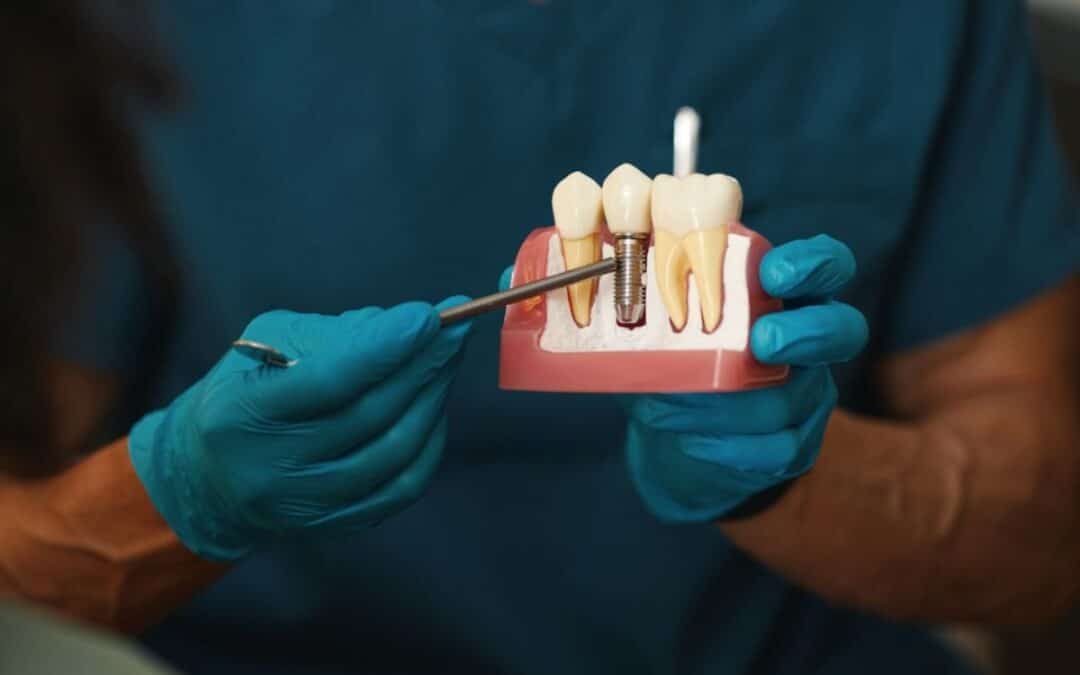
Dental implants are titanium posts surgically placed into the jawbone to act as artificial tooth roots. They support crowns, bridges, or dentures, mimicking natural teeth in both appearance and function. For diabetics, the process can be more complex due to the condition’s effect on healing and infection risk. High blood sugar levels can slow recovery and increase the likelihood of complications like gum disease or implant failure. However, with proper management, many diabetics successfully receive implants. The key lies in controlling blood glucose levels and working closely with your healthcare team.
Can Diabetics Get Dental Implants?
Absolutely, diabetics can get dental implants, but careful planning is essential. Studies, such as those from the American Academy of Implant Dentistry, show that well-controlled diabetics have success rates comparable to non-diabetics, often above 95%. The primary concern is poor glycemic control, which can impair osseointegration, the process where the implant fuses with the jawbone. Uncontrolled diabetes may also heighten the risk of peri-implantitis, a gum infection around the implant. If your A1C levels are stable (typically below 7%) and you maintain good oral hygiene, you’re likely a strong candidate. Always consult your endocrinologist and dentist to assess your readiness.
Steps to Ensure a Successful Implant Journey in Whitehouse
For Whitehouse residents considering this procedure, preparation is critical. Here’s how to set yourself up for success:
- Manage Blood Sugar: Keep your glucose levels in check before and after surgery. Consistent monitoring and medication adherence are vital.
- Prioritize Oral Hygiene: Brush twice daily, floss regularly, and use an antiseptic mouthwash to reduce infection risks.
- Choose an Experienced Dentist: Look for professionals in dental implants in Whitehouse, TX, who have experience working with diabetic patients. Their expertise can make a significant difference.
- Follow Pre- and Post-Surgery Guidelines: Your dentist may recommend antibiotics before surgery to prevent infection. After the procedure, stick to a soft diet and avoid smoking, which can delay healing.
- Schedule Regular Checkups: Frequent dental visits help catch potential issues early, ensuring your implant remains stable.
These steps, combined with a tailored treatment plan, can help mitigate risks and support a smooth recovery.
How Diabetes Affects Healing and Implant Longevity
Diabetes can slow the body’s natural healing process, which is crucial for implant success. Elevated blood sugar levels reduce blood flow, impairing the delivery of oxygen and nutrients to the surgical site. This can delay osseointegration and increase the chance of infection. Additionally, diabetics are more prone to gum disease, which can compromise the implant’s stability over time. However, with diligent care, these risks can be minimized. Maintaining a healthy diet, managing stress, and following your dentist’s advice can enhance healing and ensure your implant lasts for decades.
Lifestyle Tips for Diabetics with Dental Implants
Living with implants as a diabetic requires ongoing care. Adopt a balanced diet low in sugars to support both your implants and overall health. Foods rich in calcium and vitamin D, like leafy greens and dairy, strengthen jawbone health. Avoid sticky or hard foods that could stress the implant, especially during the initial healing phase. Quit smoking, as it can exacerbate diabetes-related complications and hinder recovery. Lastly, stay hydrated—proper hydration supports gum health and reduces the risk of dry mouth, a common issue for diabetics that can lead to bacterial growth.
Trending FAQs on Dental Implants for Diabetics
Here are answers to some frequently asked questions that Whitehouse residents often search for:
- How long does it take for a diabetic to heal after dental implant surgery? Healing typically takes 3-6 months, but it may be slightly longer for diabetics due to slower recovery. Good glucose control can speed this up.
- Are there specific risks for diabetics with dental implants? Yes, risks include delayed healing, infection, and implant failure, particularly if blood sugar is uncontrolled.
- Can I get dental implants if my diabetes is not well-controlled? It’s best to wait until your diabetes is under control, as high glucose levels increase the risk of complications.
- What type of dental implant is best for diabetics? The type depends on your oral health, not diabetes. Your dentist will recommend the best option, often standard titanium implants.
These answers address common concerns, helping you feel more confident about the process.
Finding the Right Dental Implant Provider
Choosing a skilled provider is crucial for a successful outcome. If you’re searching for “dental implants near me“, Whitehouse has several reputable options. Look for a dentist with experience in treating diabetic patients, as they’ll understand the nuances of your care needs. Check for board certification, patient reviews, and a focus on personalized treatment plans. A local expert can guide you through the process, ensuring your implants are placed with precision and care.
Take the Next Step Toward a Confident Smile
Dental implants can be a life-changing solution for diabetics in Whitehouse, offering a path to a fully restored smile. By understanding the process, managing your diabetes, and partnering with a skilled dentist, you can achieve excellent results. Take the first step by scheduling a consultation with a local professional to explore your options and start your journey toward better oral health.
by 110 Dental & Orthodontics | May 23, 2025 | Cosmetic Dentistry, Teeth Whitening
A bright, confident smile can transform your appearance and boost your self-esteem. In Whitehouse, TX, cosmetic dentistry offers advanced solutions to enhance your smile, with teeth whitening in Whitehouse, TX being one of the most sought-after treatments. Whether you’re looking to remove stubborn stains or achieve a naturally radiant smile, professional cosmetic dentistry delivers safe, effective, and long-lasting results.
The Power of Professional Teeth Whitening
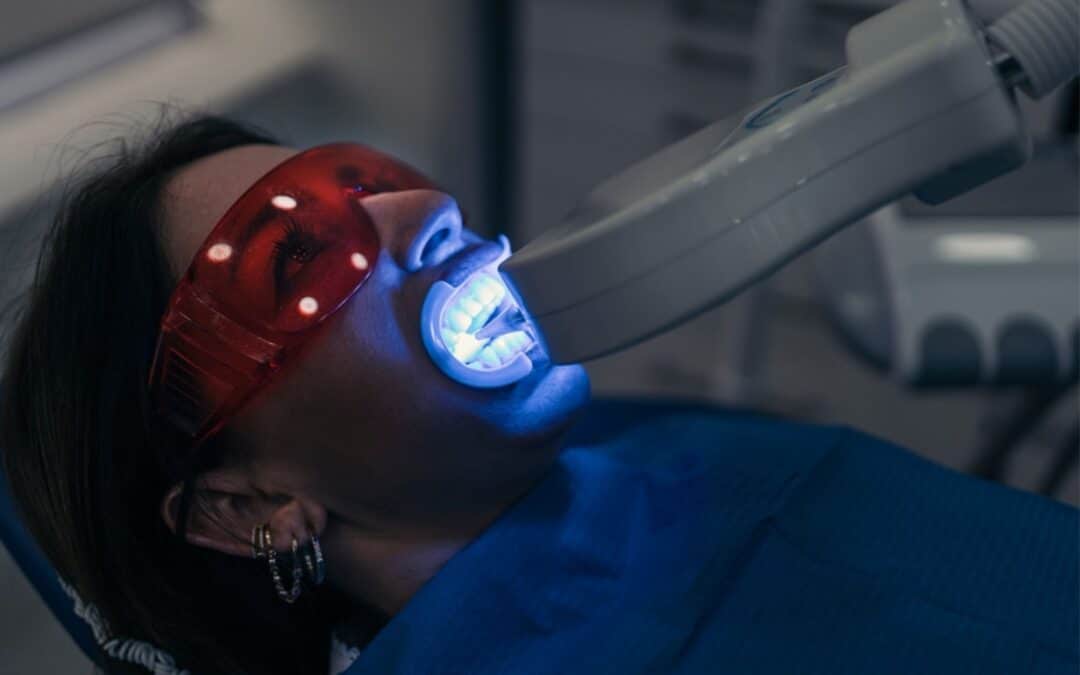
Unlike over-the-counter products, professional teeth whitening in Whitehouse, TX uses high-quality bleaching agents under controlled conditions. This ensures even whitening without harming enamel. Dentists customize treatments based on your needs, whether you prefer in-office whitening or take-home kits.
Why Choose Cosmetic Dentistry for Whiter Teeth?
-
Safe & Effective – Professional treatments minimize sensitivity and gum irritation.
-
Long-Lasting Results – Whitening effects can last months with proper care.
-
Customized Approach – A cosmetic dentist near Whitehouse tailors the treatment to your tooth shade and sensitivity levels.
Beyond Whitening: Other Cosmetic Dental Solutions
While whitening is popular, cosmetic dentistry offers more ways to perfect your smile:
1. Porcelain Veneers
Veneers cover chips, gaps, and discoloration. They provide a natural look and resist stains better than natural teeth.
2. Dental Bonding
Bonding fixes minor imperfections quickly. It’s a cost-effective way to improve tooth shape and color.
3. Invisalign® Clear Aligners
Straighten teeth discreetly without metal braces. Invisalign is popular among adults and teens.
Trending FAQs on Teeth Whitening & Cosmetic Dentistry
Here are some common questions people ask about teeth whitening in Whitehouse, TX:
-
How long does professional teeth whitening last?
Results vary but typically last 6 months to 2 years with proper care.
-
Does teeth whitening damage enamel?
No, professional treatments are safe and monitored by a dentist.
-
Can yellow teeth become white again?
Yes, professional whitening can significantly lighten discolored teeth.
-
What’s the difference between in-office and at-home whitening?
In-office whitening is faster and stronger, while take-home kits offer gradual results.
-
Are there any side effects of teeth whitening?
Some people experience temporary sensitivity, which subsides quickly.
Maintaining Your Bright Smile
To prolong whitening results:
-
Avoid coffee, tea, and red wine.
-
Brush twice daily with whitening toothpaste.
-
Schedule regular dental cleanings.
A cosmetic dentist near you can recommend touch-up treatments to keep your smile vibrant.
Cosmetic dentistry in Whitehouse, TX, goes beyond aesthetics—it enhances confidence and oral health. Whether you opt for teeth whitening in Whitehouse, TX, or other treatments, professional care ensures beautiful, lasting results. Ready to transform your smile? Consult a trusted cosmetic dentist today!
by 110 Dental & Orthodontics | May 16, 2025 | Dental Implants
Dental implant surgery is a transformative procedure that can restore your smile and confidence, offering a permanent solution for missing teeth. If you’ve recently undergone this surgery or are considering it, you’re likely wondering about the recovery process, particularly when it comes to your diet. Eating is a fundamental part of daily life, and understanding how dental implant surgery affects your ability to enjoy meals is crucial for a smooth recovery. In this blog, we’ll explore what you can expect when it comes to eating after dental implant surgery, provide practical tips for managing your diet during recovery, and address common concerns to help you navigate this journey with ease.
Understanding Dental Implant Surgery and Its Impact on Eating
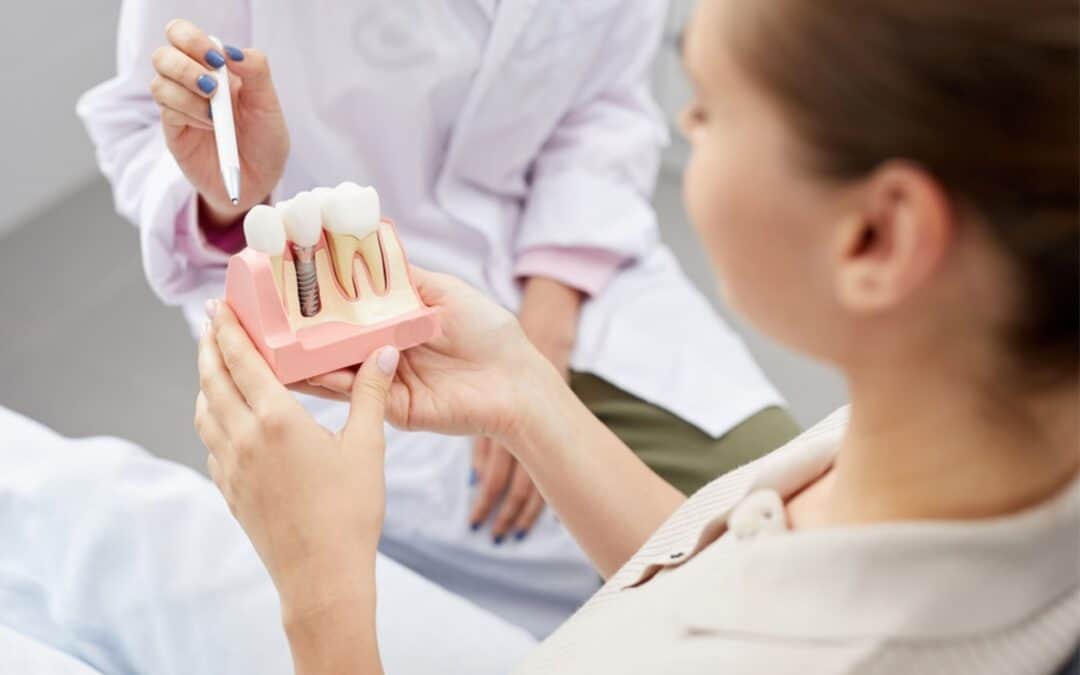
Dental implants are titanium posts surgically inserted into the jawbone to act as artificial tooth roots. These posts fuse with the bone through a process called osseointegration, providing a stable foundation for crowns, bridges, or dentures. While implants are designed to mimic natural teeth in both function and appearance, the surgical process requires a healing period during which your diet needs careful consideration. Immediately after surgery, your gums and jawbone are sensitive, and eating normally right away can disrupt healing or even damage the implant site. The good news? With the right approach, you’ll be back to enjoying your favorite foods in no time.
The First 48 Hours: What to Eat Right After Surgery
The initial 48 hours after dental implant surgery are critical for healing. During this time, your focus should be on minimizing pressure on the surgical site and avoiding irritation. Stick to a soft, liquid, or semi-liquid diet to ensure comfort and promote recovery. Here are some safe options:
- Smoothies (without seeds or hard chunks)
- Broth-based soups (lukewarm, not hot)
- Applesauce or mashed bananas
- Yogurt or pudding
- Protein shakes (blended thoroughly)
Avoid hot foods and drinks, as they can increase swelling or cause discomfort. Also, steer clear of using a straw, as the suction can dislodge the blood clot forming at the surgery site, potentially leading to a painful condition called dry socket. Opt for nutrient-rich foods to support healing—think high-protein options like Greek yogurt or blended lentils, which can aid tissue repair.
Weeks 1 to 2: Transitioning to Soft Foods
As you move into the first and second weeks post-surgery, your mouth will start to feel less tender, but you’re still not ready for a full return to normal eating. At this stage, you can begin incorporating slightly firmer soft foods into your diet while continuing to avoid anything that requires heavy chewing. Some good choices include:
- Mashed potatoes or sweet potatoes
- Scrambled eggs
- Oatmeal or cream of wheat
- Soft-cooked vegetables (like steamed carrots or zucchini)
- Pasta (well-cooked and cut into small pieces)
During this period, it’s still important to avoid hard, crunchy, or sticky foods like nuts, chips, or caramel, as they can irritate the implant site or get lodged in the healing tissues. If you’re in the area and looking for personalized advice, professionals specializing in dental implants in Whitehouse can offer tailored guidance on managing your diet during recovery. Be sure to chew on the opposite side of your mouth from the implant site to minimize pressure and ensure proper healing.
Weeks 3 to 6: Gradually Returning to Normal Eating
By the third to sixth week, most patients notice significant improvement in comfort and can start reintroducing a wider variety of foods. At this point, osseointegration is progressing, and the implant is becoming more stable. You can now experiment with foods that require light chewing, such as:
- Soft breads or tortillas
- Cooked rice or quinoa
- Tender meats (like shredded chicken or fish)
- Soft fruits (like bananas or avocados)
Even as you expand your diet, continue to avoid extremely hard or tough foods, such as raw carrots, apples, or steak, which can place undue stress on the implant. If you’re unsure about your progress, a quick visit to a dentist near Whitehouse, TX, can provide reassurance and ensure your recovery is on track. Additionally, if you’re looking for a specialist to monitor your implant’s long-term success, searching for a “prosthodontist near me” can connect you with experts in restorative dentistry who can offer ongoing support.
Long-Term Eating Habits: Enjoying Food with Dental Implants
Once osseointegration is complete—typically after 3 to 6 months—your dental implant should feel as secure as a natural tooth. At this stage, most patients can eat normally, enjoying a wide range of foods without restrictions. Dental implants are designed to handle the same chewing forces as natural teeth, meaning you can savor crunchy vegetables, chewy breads, and even the occasional hard candy without worry. However, maintaining good oral hygiene is key to ensuring your implant’s longevity. Brush and floss regularly, and schedule routine checkups to keep your implant and surrounding gums healthy.
It’s also worth noting that while implants are highly durable, they’re not indestructible. Avoid habits like chewing on ice or using your teeth to open packaging, as these can damage both implants and natural teeth. By adopting mindful eating habits, you’ll ensure your implant remains a reliable part of your smile for years to come.
Tips for a Smooth Dietary Transition After Surgery
To make your recovery as seamless as possible, here are some practical tips for managing your diet after dental implant surgery:
- Stay Hydrated: Drink plenty of water to keep your mouth clean and support overall healing.
- Eat Nutrient-Dense Foods: Focus on foods rich in vitamins and minerals, like leafy greens (blended into smoothies) or eggs, to aid recovery.
- Cut Food into Small Pieces: Even as you progress to firmer foods, smaller bites are easier to manage and reduce strain on the implant site.
- Avoid Spicy or Acidic Foods: These can irritate the surgical area, especially in the early stages of healing.
- Listen to Your Body: If a particular food causes discomfort, give your mouth more time to heal before trying it again.
By following these guidelines, you’ll support your body’s natural healing process and get back to enjoying meals sooner.
Trending FAQs on Eating After Dental Implant Surgery
To address common concerns, here are answers to some frequently asked questions about eating after dental implant surgery, based on what people often search for on Google:
- How long after dental implant surgery can I eat normally?
Most patients can return to normal eating within 3 to 6 months, once the implant fully integrates with the jawbone, though soft foods are recommended for the first few weeks.
- Can I eat solid food after dental implant surgery?
Solid foods should be avoided for at least the first 1-2 weeks. Gradually reintroduce them after 3-6 weeks, starting with softer options and avoiding hard or crunchy items.
- What foods should I avoid after dental implant surgery?
Steer clear of hard, sticky, or crunchy foods like nuts, popcorn, and caramel, as well as hot or spicy foods that can irritate the surgical site.
- Can I drink coffee after dental implant surgery?
It’s best to avoid hot coffee for the first 48 hours, as it can increase swelling. Opt for lukewarm or cold beverages and avoid using a straw.
These answers aim to clarify common concerns and help you feel more confident about your recovery.
Dental implant surgery is a life-changing procedure that can restore both function and aesthetics to your smile, but it requires patience and care during the recovery process. While you won’t be able to eat normally right away, a gradual approach to reintroducing foods will ensure your implant heals properly and becomes a seamless part of your daily life. By following your dentist’s advice and making mindful dietary choices, you’ll be back to enjoying all your favorite meals in just a few months. If you have concerns or need personalized guidance, don’t hesitate to reach out to a dental professional to support you on this journey.

by 110 Dental & Orthodontics | May 9, 2025 | Kid-Friendly Dentistry
As parents, we all want the best for our children, especially when it comes to their health. One of the most foundational habits we can instill in our little ones is proper oral hygiene. Teaching toddlers in Whitehouse to brush their teeth not only sets them up for a lifetime of healthy smiles but also makes dental care a fun and positive experience. In this blog, we’ll explore creative and engaging ways to establish brushing habits for your tots, address common challenges, and provide tips to make oral care a joyful part of their daily routine. Let’s dive into the world of tiny toothbrushes, bubbly toothpaste, and happy smiles!
Why Start Early? The Importance of Oral Hygiene for Toddlers
Good oral health starts young—really young! The American Dental Association recommends that parents begin cleaning their child’s gums even before the first tooth appears, using a soft, damp cloth. Once that first tooth pops through, usually between 6 and 12 months, it’s time to introduce a toothbrush. Early brushing helps prevent cavities, which can form as soon as teeth emerge, especially if your child loves sugary snacks or drinks. More importantly, starting early builds a routine, making dental care a natural part of their day. For Whitehouse tots, establishing these habits early can lead to fewer dental issues down the road and a more positive attitude toward visiting the dentist.
Choosing the Right Tools: Toothbrushes and Toothpaste for Tots
Selecting the right brushing tools can make all the difference for your toddler. Opt for a soft-bristled toothbrush designed for young children, with a small head to fit comfortably in their tiny mouths. Many brands offer toothbrushes with fun characters or bright colors to make the experience exciting. When it comes to toothpaste, choose a fluoride-free option for kids under 2, as they’re likely to swallow it. Once they’re older and can spit, a pea-sized amount of fluoride toothpaste is safe and effective. Let your child pick their toothbrush or toothpaste flavor—like strawberry or bubblegum—to give them a sense of ownership over the process. These small choices can turn brushing into something they look forward to.
Fun Brushing Techniques to Engage Whitehouse Tots
Getting a toddler to brush their teeth can sometimes feel like a battle, but it doesn’t have to be! Here are some fun, engaging techniques to make brushing a highlight of their day:
- Sing a Brushing Song: Create a silly song or use a popular tune like “Twinkle, Twinkle, Little Star” to time their brushing. Aim for two minutes—dentists recommend brushing for this duration to ensure a thorough clean.
- Make It a Story: Pretend their toothbrush is a “superhero” fighting off “sugar monsters” in their mouth. You can even narrate the adventure as they brush, keeping them entertained.
- Brush Together: Toddlers love to mimic their parents. Brush your teeth alongside them, showing them the right motions and turning it into a family activity.
- Use a Timer or App: Many kid-friendly apps feature brushing timers with animations or games to keep children engaged for the full two minutes.
- Reward with Praise: Celebrate their efforts with a big cheer or a sticker on a brushing chart. Positive reinforcement goes a long way with little ones.
These strategies not only make brushing fun but also teach kids the importance of taking care of their teeth in a way that feels like playtime.
Overcoming Common Brushing Challenges for Toddlers
It’s normal for toddlers to resist brushing at first—they’re still learning to navigate routines. If your child fusses, try to understand the root cause. Are they uncomfortable with the toothbrush? Try a softer one or let them choose a new design. Do they dislike the toothpaste flavor? Experiment with different options until you find one they love. Sometimes, they might just be tired or cranky, so consider adjusting the timing—brushing after a nap or a fun activity might yield better results. Patience is key. Instead of forcing them, make it a collaborative effort by giving them some control, like holding the toothbrush while you guide their hand. Over time, they’ll grow to enjoy the process.
Finding the Best Dental Care: Partnering with a Kid-Friendly Dentist
Regular dental checkups are just as important as daily brushing for your toddler’s oral health. Finding a kid-friendly dentist in Whitehouse can make these visits a breeze. These dental professionals specialize in working with young children, creating a welcoming environment with colorful offices, toys, and gentle approaches. They often use techniques like “tell-show-do” to explain procedures in a way kids can understand, reducing fear and building trust. For Whitehouse families, a pediatric dentist who understands the unique needs of tots can offer personalized advice on brushing techniques, diet, and cavity prevention, ensuring your child’s smile stays bright and healthy.
Making Dental Visits a Positive Experience
To complement at-home brushing habits, dental visits should feel like an adventure, not a chore. When searching for a dentist near you, look for one who prioritizes a child-friendly atmosphere. Schedule their first visit around their first birthday to get them comfortable with the dental office early on. Prepare them by reading books about going to the dentist or role-playing a visit at home. During the appointment, stay calm and positive—your toddler will pick up on your energy. Many Whitehouse pediatric dentists offer small rewards like stickers or a toy after the visit, which can leave your child excited for the next one. These early experiences shape their attitude toward dental care for years to come.
Trending FAQs About Brushing Basics for Whitehouse Tots
Parents often have questions about establishing brushing habits for their toddlers. Here are some of the most frequently asked questions based on current search trends:
- When should my toddler start brushing their teeth? The American Dental Association recommends starting as soon as the first tooth appears, typically between 6 and 12 months.
- How can I make brushing fun for my toddler? Use songs, stories, or apps with timers to turn brushing into a game, and let them choose their toothbrush or toothpaste flavor.
- What if my toddler refuses to brush? Stay patient, try different toothbrushes or flavors, and brush together to model the behavior. Make it a positive, collaborative experience.
- How often should my toddler visit a dentist? Dentists recommend visits every six months, starting around their first birthday, to monitor development and catch issues early.
These answers address common concerns and provide actionable insights for Whitehouse parents looking to build healthy dental habits for their tots.
Building a Lifetime of Healthy Smiles
Instilling good brushing habits in your Whitehouse toddler is a gift that will benefit them for years to come. By making oral care fun, choosing the right tools, and partnering with a supportive dental team, you’re setting the stage for a lifetime of healthy smiles. Every song you sing, every superhero story you tell, and every dental visit you make a positive experience helps your child grow up with confidence in their oral health. So grab that tiny toothbrush, put on a big smile, and enjoy this special journey of caring for your tot’s teeth together!
by 110 Dental & Orthodontics | May 2, 2025 | Dental Sealants, General Dentistry
When it comes to protecting your child’s teeth—or even your own—from cavities, brushing and flossing are essential. But what about those tiny grooves on the chewing surfaces of molars where plaque and bacteria love to hide? That’s where dental sealants come into play. This simple yet powerful solution has helped millions maintain healthier smiles with minimal effort.
What Are Dental Sealants?
Dental sealants are thin, plastic-like coatings applied to the chewing surfaces of the back teeth (molars and premolars). These surfaces have deep pits and grooves that can be difficult to clean with a toothbrush alone. Over time, food particles and bacteria settle in these grooves, increasing the risk of tooth decay.
Sealants act as a barrier, sealing off these vulnerable areas and preventing plaque and food from becoming trapped. Think of them as raincoats for your teeth—offering long-lasting protection against decay.
How Do Dental Sealants Work?
The science behind dental sealants is surprisingly simple. After cleaning and drying the tooth, a dentist applies a special gel that slightly roughens the surface, helping the sealant bond better. The gel is rinsed off, and the sealant is painted onto the tooth. A curing light then hardens the sealant into place.
Once hardened, the sealant creates a smooth surface that’s easier to keep clean and less likely to trap food. This protective layer can last for several years, reducing the risk of cavities significantly.
Who Needs Dental Sealants?
Sealants are most commonly recommended for children and teenagers, especially those just getting their first set of permanent molars. However, adults without cavities or fillings in their molars can also benefit from sealants.
If your child is prone to cavities or struggles with oral hygiene, sealants offer an extra layer of defense. It’s a quick, painless process that could save them from future dental work.
Advantages of Sealants You Shouldn’t Ignore
-
Prevent Cavities Early: Sealants can reduce the risk of decay in molars by up to 80%.
-
Quick and Non-Invasive: The process is painless and usually takes just a few minutes per tooth.
-
Long-Lasting Protection: Sealants can last five years or more with proper care.
-
Cost-Effective Prevention: Preventing cavities is easier (and cheaper) than treating them.
Midway through your journey to better dental health, it’s worth noting the value of dental sealants in Whitehouse for both children and adults. It’s one of the simplest ways to prevent future dental problems and maintain a healthy, confident smile.
How to Care for Teeth with Sealants
Sealants are strong but not indestructible. To get the most out of them:
-
Avoid biting down on hard objects like ice or pens.
-
Continue brushing and flossing daily to protect other parts of the tooth.
-
Visit your dentist regularly so they can check the condition of your sealants.
-
Ask your dental provider about reapplication if a sealant wears down or falls off.
Dental sealants are a straightforward and highly effective way to protect teeth against decay. Their application is quick, painless, and incredibly beneficial, especially for growing children and teens. If you’re looking for an easy way to safeguard your family’s oral health, consult with a dentist in Whitehouse to see if sealants are right for you.
