by 110 Dental & Orthodontics | Apr 24, 2025 | Veneers
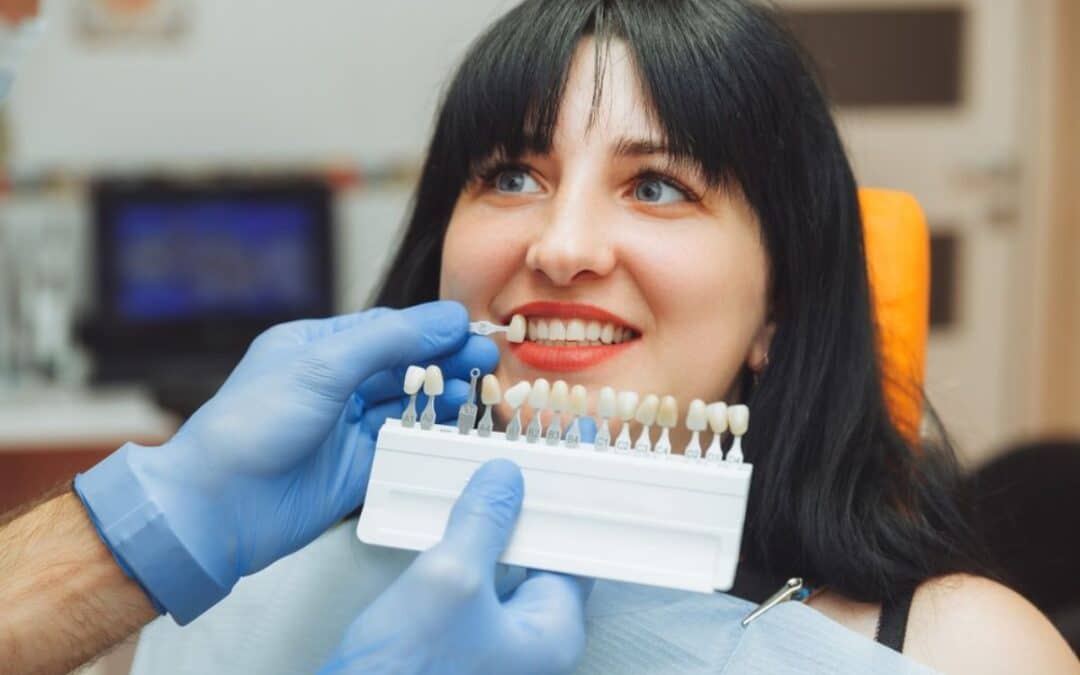
Veneers are a fantastic way to achieve a bright, symmetrical smile, especially if you’re dealing with discoloration, chips, or gaps in your teeth. These thin shells of porcelain or composite material are bonded to the front surface of your teeth, delivering long-lasting aesthetic results. However, like any dental investment, veneers require proper care to ensure they stay beautiful and functional for years to come. Whether you’re new to veneers or have had them for years, understanding how to care for them can help preserve your stunning smile.
Understanding the Basics of Veneer Maintenance
Before diving into tips and tricks, it’s essential to understand what makes veneers unique. Unlike natural enamel, veneers are not porous, so they resist staining better than your natural teeth. However, they can still be damaged by poor oral habits or a lack of maintenance. Daily care and mindful habits can go a long way in keeping your veneers looking their best.
Daily Oral Hygiene Is Non-Negotiable
Just because veneers can’t get cavities doesn’t mean you can slack on brushing and flossing. The teeth underneath and the gums surrounding your veneers still need daily care.
-
Brush twice daily using a soft-bristled toothbrush and non-abrasive toothpaste to avoid scratching the veneer surface.
-
Floss daily to remove plaque and food debris from between your teeth and along the gumline.
-
Rinse with an alcohol-free mouthwash to maintain gum health and minimize bacteria buildup.
Maintaining this routine not only protects your veneers but also supports your overall oral health.
Watch What You Eat and Drink
Although veneers are durable, they aren’t indestructible. Certain foods and drinks can weaken the adhesive or discolor your natural teeth around the veneers.
-
Avoid chewing hard items like ice, pens, or fingernails that could crack or dislodge a veneer.
-
Limit highly pigmented beverages such as coffee, red wine, and dark teas, which can stain the edges of your veneers over time.
-
Sticky or overly hard candies should also be avoided, as they can pull or stress your veneers.
By making a few mindful choices in your diet, you can help your veneers last longer.
Routine Checkups Matter
Visiting your dentist regularly is just as important after getting veneers as it was before. A dental professional can spot any early signs of wear or damage and perform professional cleanings that help maintain the appearance and integrity of your veneers. If you have veneers in Whitehouse, regular dental visits are crucial to ensuring they stay strong and beautiful.
Avoid Harmful Habits
Certain habits can reduce the lifespan of your veneers. For instance, grinding your teeth at night (bruxism) puts excessive pressure on veneers. If you tend to clench or grind, your dentist may recommend a night guard to protect your teeth while you sleep. Similarly, using your teeth as tools, such as opening bottles or packages, can be disastrous for your veneers. Breaking these habits can go a long way in maintaining your smile.
Be Gentle with Your Smile
Treat your veneers with the same care and attention you would give to natural teeth—if not more. Use a gentle touch while brushing, avoid aggressive flossing, and always be cautious when biting into tough or chewy foods. Taking these extra steps can significantly extend the life of your veneers and protect your smile investment.
Caring for your veneers doesn’t require complicated routines or special tools—it just takes consistency, mindfulness, and regular professional care. Your beautiful smile deserves the best, and a little effort every day goes a long way. If you’re unsure about any aspect of veneer care or need personalized guidance, don’t hesitate to consult with your local cosmetic dentist in Whitehouse, TX. Your smile will thank you!
by 110 Dental & Orthodontics | Apr 17, 2025 | Dental Implants
When the Game Gets Rough: A Real Concern for Teen Smiles
High school sports are more than just extracurricular activities—they’re a passion, a team, a lifestyle. Whether it’s football, basketball, soccer, or hockey, teens give their all. But unfortunately, contact sports often come with risks, including dental injuries. A chipped, broken, or completely knocked-out tooth can affect a teen’s smile, confidence, and even long-term oral health.
That’s where dental implants in Whitehouse come into the picture. More than just a cosmetic fix, dental implants offer a stable, permanent solution for teens who’ve lost teeth due to sports-related trauma.
Why Tooth Replacement Matters for Teens
A missing tooth can do more than affect appearance. It can lead to problems with chewing, speaking, and even shifting of surrounding teeth. Over time, untreated tooth loss may also impact jawbone health, making it essential to find a reliable long-term solution.
For teens whose facial bones have finished developing—typically around age 17 or older—dental implants are often considered a safe and highly effective replacement option.
What Makes Dental Implants Ideal for Teen Athletes?
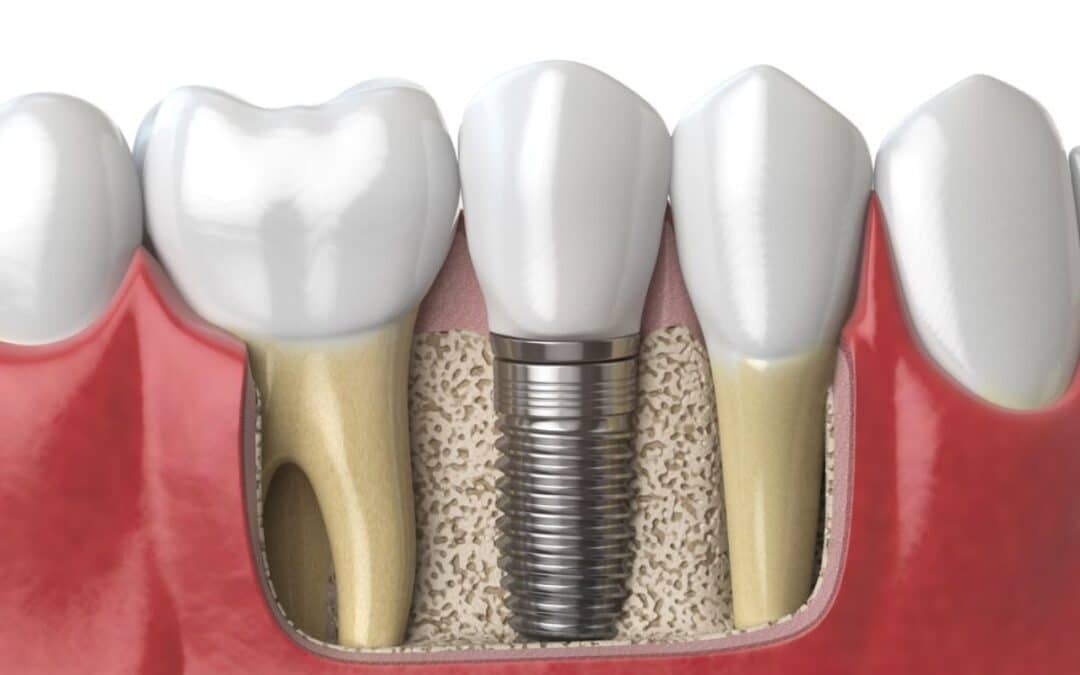
Unlike dentures or bridges, dental implants replace both the tooth and its root, which means they offer unmatched stability and function. They’re durable, natural-looking, and designed to last for decades with proper care.
Here’s why dental implants are an especially great choice for active teens:
1. Restores Confidence
Losing a tooth at a young age can be emotionally challenging. Dental implants look and feel just like natural teeth, helping teens regain their confidence on and off the field.
2. Preserves Oral Health
Implants prevent bone loss and support neighboring teeth. This helps maintain the natural shape of the jaw and prevents the shifting that often occurs with missing teeth.
3. Built for an Active Lifestyle
Teen athletes are constantly on the go, and implants require no special maintenance beyond normal brushing and flossing. There’s no need to worry about them slipping or getting in the way during sports or social activities.
4. Long-Term Stability
Because dental implants are fused to the jawbone, they provide lasting support. Unlike temporary solutions, implants won’t need to be replaced or adjusted frequently—ideal for a busy teen’s life.
When Are Teens Eligible for Dental Implants?
Not every teen is ready for implants immediately after an injury. A professional evaluation is essential to determine jaw development and oral health status. If a teen’s jaw is still growing, temporary solutions may be recommended until implant placement becomes viable.
After bone maturity is confirmed, the implant process involves careful planning, minor surgery, and follow-up care. The result is a permanent, fully functional tooth that blends seamlessly into the smile.
The Role of Preventive Care and Mouthguards
While dental implants offer a strong solution after an injury, prevention is always better. A custom-fitted mouthguard can protect teeth during sports and significantly reduce the risk of dental trauma. Encourage your teen to wear one during practices and games—it’s a simple step that can save their smile.
Sports injuries are a common part of teen life, but losing a tooth doesn’t have to mean losing confidence. With modern dentistry, teens have access to long-lasting solutions that restore both function and appearance. Dental implants in Whitehouse offer a durable and natural-looking way to recover from dental trauma—and keep smiling with pride.
For compassionate guidance and expert care, consult a trusted dentist in Whitehouse, OK, who understands your teen’s needs and lifestyle.
by 110 Dental & Orthodontics | Apr 10, 2025 | General Dentistry
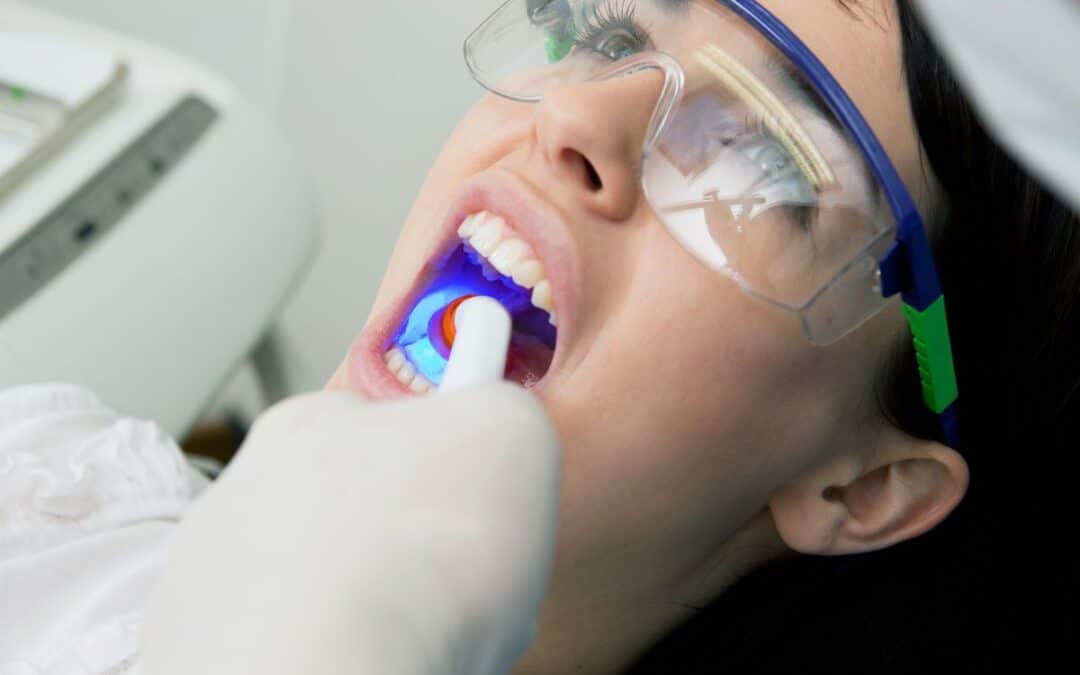
Let’s be honest—hearing the words “you need a filling” during a dental checkup might make your stomach flip. But the truth is, fillings are one of the most common ways to prevent small dental issues from becoming big ones. So, how exactly does your general dentist decide if you need one?
If you’ve ever been curious about how your dentist spots trouble before it starts, you’re not alone. Let’s walk through the process so you can feel more informed and confident the next time you’re in the chair.
It Starts With a Conversation
Believe it or not, your path to a filling may begin before you even sit in the dental chair. Your general dentist will first ask you a few questions: Are you experiencing any pain? Do you notice sensitivity to hot, cold, or sweets? Have you had trouble chewing on one side?
Even if you’re not in pain, small signs like sensitivity or food getting stuck between your teeth can clue your dentist in on potential issues. Open and honest communication makes a big difference in early detection.
Next Comes the Visual Exam
Once you’re reclined in the chair, your dentist will perform a careful visual exam. They’ll look for visible signs of decay, like discoloration or tiny holes in the enamel. Your dentist will also use a dental instrument called an explorer—kind of like a tiny metal pick—to gently check the surface of each tooth.
If the explorer catches on a soft or rough spot, it could be a sign of decay forming beneath the surface.
The Role of Dental X-Rays
Some cavities hide in places that even the best eyes can’t see, like between teeth or under existing fillings. That’s where X-rays come in. These images give your dentist a complete view of what’s happening beneath the enamel, helping to catch early-stage decay before it becomes painful or problematic.
X-rays can also show if a previously filled tooth is breaking down or if new decay has developed around old dental work.
Cavities Aren’t the Only Reason for Fillings
While tooth decay is the most common reason for a filling, it’s not the only one. Your general dentist might recommend a filling if:
- A tooth is chipped or cracked
- There’s minor wear from grinding (bruxism)
- Small gaps or damaged enamel causing discomfort
These types of restorations don’t just fix the issue—they prevent it from becoming worse. That’s why dental fillings are such an essential part of preventive care.
Your Dentist’s Final Decision
After reviewing your symptoms, visual exam, and X-rays, your dentist will determine if a filling is necessary. They’ll also choose the best type of material—composite, amalgam, or another option—based on your needs and the location of the tooth.
Ultimately, fillings restore the shape and function of your teeth, seal out bacteria, and help you maintain a healthy bite. Skipping treatment when it’s needed can allow decay to spread deeper, potentially leading to more serious issues like root canals or tooth loss.
So, if your dentist recommends a filling, it’s all about keeping your smile strong and pain-free.
Getting a filling might not be your favorite part of a dental visit, but it’s a proactive step in preserving your oral health. Whether you’re noticing new sensitivity or just due for your routine checkup, trust that your dentist is trained to spot early signs of trouble and offer the best solution.
And if you’re looking for support with dental fillings in Whitehouse, know that timely care can make all the difference.
Need help deciding what’s right for your smile? Visit a general dentist near you who understands your unique needs and will guide you toward long-term dental wellness.
by 110 Dental & Orthodontics | Apr 3, 2025 | Dental Implants
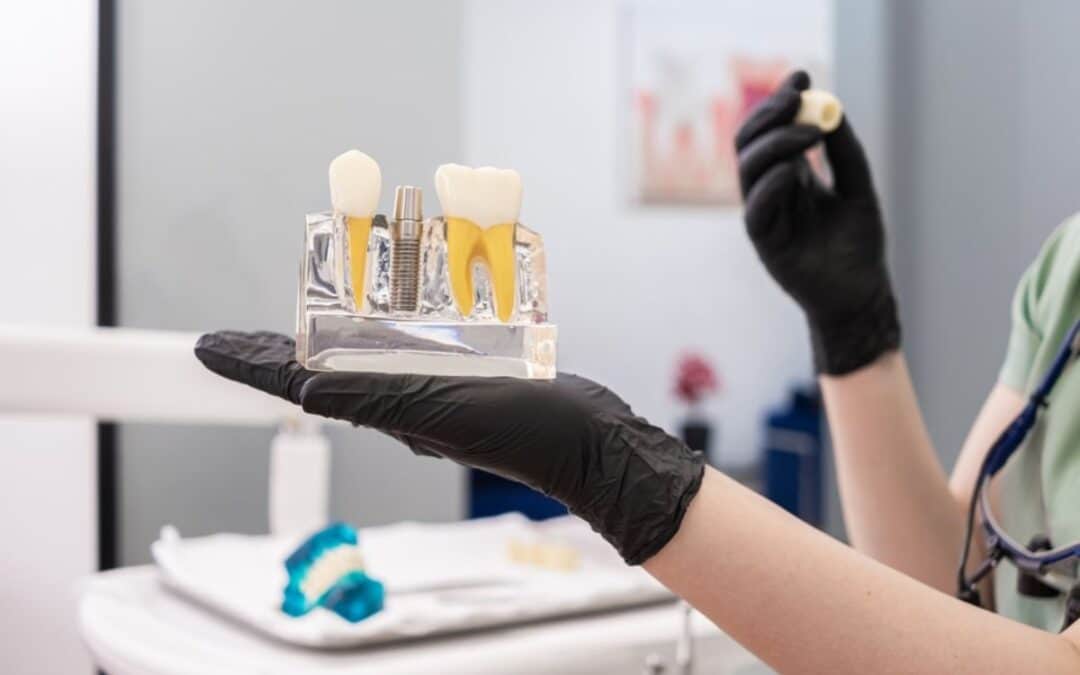
Dental implants are a long-term solution for replacing missing teeth, offering durability, functionality, and a natural appearance. However, just like natural teeth, implants require proper care to stay healthy. One potential issue that patients might face is an infection around the implant, also known as peri-implantitis. If left untreated, this condition can compromise the stability of the implant and even lead to implant failure. In this blog, we’ll explore whether a dental implant can get infected, the warning signs to watch for, and the best solutions for keeping your implant healthy.
Can a Dental Implant Really Get Infected?
Yes, dental implants can become infected, but it’s important to understand why. While the implant itself is made of titanium and cannot decay like natural teeth, the surrounding gum and bone tissue are still vulnerable to bacteria. Infection can occur if bacteria accumulate around the implant, leading to inflammation and potential damage to the supporting structures.
Common Causes of Dental Implant Infections:
- Poor oral hygiene leading to plaque buildup around the implant
- Smoking, which reduces blood flow and slows healing
- Pre-existing gum disease that weakens the gums and bone
- Uncontrolled diabetes or other conditions that affect healing
- Excessive force on the implant due to teeth grinding or misalignment
If you have dental implants in Whitehouse, it’s crucial to follow a good oral hygiene routine and attend regular dental checkups to prevent infection.
Warning Signs of an Infected Dental Implant
Recognizing the early signs of infection can help you seek timely treatment and prevent serious complications. Here are some symptoms to watch for:
1. Redness and Swelling
Mild swelling after implant placement is normal, but persistent or worsening swelling around the implant site may indicate an infection.
2. Bleeding Gums (Peri-Implant Mucositis)
If your gums bleed when you brush or floss around the implant, it could be an early sign of infection. Healthy gums should not bleed easily.
3. Pain or Discomfort
Some discomfort is normal after surgery, but sharp or persistent pain long after the healing process may be a warning sign of infection.
4. Pus or Bad Taste in the Mouth
If you notice pus, a foul taste, or bad breath that won’t go away, it may indicate a bacterial infection around the implant.
5. Loose Implant or Difficulty Chewing
A healthy implant should feel stable, just like a natural tooth. If you experience movement or discomfort when chewing, it could be a sign of bone loss due to infection.
Solutions for Treating an Infected Dental Implant
The good news is that if caught early, an infected dental implant can often be treated successfully. The right treatment will depend on the severity of the infection:
1. Professional Cleaning and Antibiotics
For mild infections, a deep cleaning around the implant and a round of antibiotics may be enough to eliminate bacteria and restore gum health.
2. Laser Therapy or Antibacterial Rinse
Some dentists use laser therapy or specialized mouth rinses to target bacteria and promote healing around the implant.
3. Surgical Intervention (If Necessary)
In more advanced cases, surgical treatment may be needed to remove infected tissue and regenerate lost bone around the implant.
4. Implant Replacement (Severe Cases)
If the infection has caused significant bone loss and the implant is no longer stable, it may need to be removed and replaced after a healing period.
How to Prevent Implant Infections
Taking preventive measures is the best way to avoid infection and ensure the long-term success of your implant. Here are some key tips:
- Brush and floss daily to remove plaque buildup around the implant.
- Use an antibacterial mouthwash to help control bacteria in the mouth.
- Avoid smoking as it weakens the gums and slows healing.
- Visit your dentist regularly for professional cleanings and checkups.
- Be mindful of what you eat, avoiding overly hard or sticky foods that may stress the implant.
While dental implants are a reliable and effective solution for tooth loss, they require proper care to stay healthy. Infection can occur, but by recognizing the warning signs early and seeking professional treatment, you can prevent complications and ensure long-term success. If you’re experiencing any symptoms of infection or have concerns about your dental implants, reach out to a dentist near you for expert care and guidance.

by 110 Dental & Orthodontics | Mar 27, 2025 | Invisalign
So, you’ve just completed your Invisalign treatment and are loving your new, straight smile. But did you know that your teeth still have the potential to shift back to their original positions? Teeth naturally tend to move over time, and without proper aftercare, you might see unwanted changes in your smile. Fortunately, there are simple and effective ways to keep your teeth in place after Invisalign. Let’s dive into what you can do to maintain that perfect alignment!
Why Do Teeth Shift After Invisalign?
After Invisalign, your teeth are no longer being actively guided by aligners, which means they can gradually shift back. This happens because:
- The ligaments and tissues around your teeth need time to stabilize.
- Daily activities like chewing and talking put pressure on your teeth.
- Natural aging can lead to slight movements in tooth alignment.
- Not wearing a retainer as instructed can accelerate shifting.
To prevent these issues, you need to take proactive steps to maintain your results.
1. Wear Your Retainer Consistently
Your retainer is your best friend after completing Invisalign treatment in Whitehouse! Retainers help hold your teeth in their new positions while the surrounding bone and tissues adapt.
- Follow your orthodontist’s instructions on when and for how long to wear your retainer.
- Choose the right type of retainer—your orthodontist may recommend a removable or permanent retainer.
- Keep your retainer clean to ensure it remains effective and hygienic.
Skipping your retainer, even for a short period, can allow teeth to start shifting back. Consistency is key!
2. Maintain Good Oral Hygiene
Believe it or not, proper oral hygiene plays a role in keeping your teeth in place. Gum disease and plaque buildup can weaken the structures that support your teeth, leading to movement.
- Brush twice a day using fluoride toothpaste.
- Floss daily to prevent plaque buildup between teeth.
- Schedule regular dental cleanings to keep your gums and teeth healthy.
A healthy mouth provides a stable foundation for your newly straightened teeth.
3. Be Mindful of Teeth Grinding
Do you wake up with jaw pain or headaches? You might be grinding your teeth at night, a condition known as bruxism. Teeth grinding can put excessive pressure on your teeth, causing them to shift.
- Consider wearing a nightguard if you grind your teeth.
- Reduce stress, as it can contribute to clenching and grinding.
- Avoid excessive caffeine or alcohol before bedtime, as they can worsen bruxism.
Protecting your teeth from grinding can help maintain their alignment.
4. Avoid Bad Oral Habits
Certain habits can unknowingly push your teeth out of alignment. Here are some to watch out for:
- Nail-biting can put pressure on the front teeth.
- Chewing on hard objects (pens, ice, or popcorn kernels) can shift teeth over time.
- Using teeth as tools (to open bottles or tear packaging) can cause damage and movement.
Being mindful of these habits can go a long way in keeping your teeth in place.
5. Schedule Regular Dental Checkups
Even after Invisalign, it’s important to visit your dentist or orthodontist regularly. They can monitor your teeth and spot any early signs of shifting.
- Your dentist will ensure your retainer fits properly.
- Routine checkups help catch potential issues before they become major problems.
- Professional cleanings keep your teeth and gums in top shape.
Don’t skip your dental visits—they’re essential for maintaining your straight smile.
Your Invisalign journey doesn’t end when you stop wearing aligners—maintaining your results is just as important. By wearing your retainer, practicing good oral hygiene, and avoiding bad habits, you can keep your smile looking perfect for years to come. If you ever notice any changes in your alignment, don’t hesitate to reach out to an orthodontist in Whitehouse for guidance. A little effort goes a long way in preserving your beautiful, straight teeth!
