
by 110 Dental & Orthodontics | Dec 19, 2024 | Dental Implants
Many individuals suffer from Temporomandibular Joint (TMJ) disorder, which causes pain, discomfort, and difficulties in jaw movement. Jaw pain syndrome symptoms often include headaches, jaw tenderness, and restricted mouth opening. Though several treatment methods exist, dental implants are an emerging solution for alleviating jaw pain symptoms.
This blog explores how dental implants can be pivotal in relieving jaw pain and discomfort and addressing tooth loss and bite alignment issues. Understanding this connection is crucial for individuals seeking effective solutions for their TMJ-related challenges.
Understanding the Temporomandibular Joint (TMJ) and Its Function
The temporomandibular joint (TMJ) connects the lower jaw (mandible) to the skull, enabling essential functions like chewing, speaking, and swallowing. TMJ dysfunction occurs when the joint becomes misaligned, inflamed, or damaged. The causes of temporomandibular joint disorder include trauma, teeth grinding, arthritis, or dental misalignment. Common symptoms include jaw pain, muscle stiffness, and sounds like clicking or popping when moving the jaw.
How Missing Teeth Affect Jaw joint dysfunction Symptoms
One significant contributor to TMJ issues is missing teeth. Gaps in the smile can disrupt bite alignment, leading to an unbalanced bite. This misalignment can cause the jaw to shift into abnormal positions, putting undue stress on the temporomandibular joint and surrounding muscles. Over time, this strain may develop or worsen jaw joint dysfunction symptoms, including pain and muscle tenderness.
Traditional solutions such as dentures or bridges help fill the gaps but may not fully address the root cause of TMJ discomfort. In contrast, replacing lost teeth with implants restores normal bite function, which can help alleviate the strain on the jaw joint.
Implant Dentistry in Whitehouse: How It Helps Relieve TMJ Symptoms
Implant Dentistry in Whitehouse provides an advanced treatment option for patients suffering from temporomandibular joint symptoms due to tooth loss. Implants involve surgically placing titanium posts into the jawbone, offering a stable and permanent replacement for missing teeth. Unlike dentures, implants integrate with the bone and restore the natural function of the teeth, reducing strain on the jaw joint.
Replacing missing teeth with implants helps restore proper bite alignment, ensuring that forces during chewing are distributed evenly across the jaw. This alignment can reduce the stress on the temporomandibular joint and surrounding muscles, significantly relieving pain in patients suffering from jaw joint dysfunction. By restoring bite function, implants help prevent further irritation and discomfort in the jaw joint.
Biomechanics of Implants in TMJ Relief
The structural design of dental implants replicates natural teeth, ensuring they function as efficiently as real teeth. The process of osseointegration, where the titanium implant fuses with the jawbone, provides a solid foundation for the replacement tooth. This integration restores natural bite function and evenly distributes chewing forces, minimizing mechanical stress on the temporomandibular joint.
When missing teeth are replaced with implants, normal bite alignment is restored. This reduces the strain on the jaw joint, preventing the symptoms from worsening. Unlike dentures, which can move during chewing, implants stay securely in place, ensuring that the jaw is supported properly and reducing the risk of irritation to the TMJ. Consult a dentist in Whitehouse, TX, who will explain how to relieve jaw pain with implants.
Consulting a Professional for Jaw Joint Dysfunction Relief
It is essential to consult a dental professional before opting for implants, mainly when symptoms are present. A thorough evaluation, including jaw function analysis and imaging, will help determine whether implants are a suitable solution. A skilled orthodontist or oral surgeon can design a personalized treatment plan to restore lost teeth and manage TMJ-related discomfort.
Replacing teeth with implants often relieves patients whose temporomandibular joint symptoms are linked to missing teeth. A comprehensive consultation will ensure that the treatment plan effectively targets tooth loss and jaw misalignment.
The link between dental implants and temporomandibular joint symptom relief emphasizes addressing tooth loss and bite misalignment when managing temporomandibular joint disorders. Dental implants restore missing teeth and help realign the bite, reducing stress on the Jaw pain syndrome and alleviating discomfort. Individuals with TMJ symptoms can explore the benefits of implant-based treatments by consulting with professionals at 110 Dental & Orthodontics in Whitehouse, TX.
If you are suffering from TMJ pain and wonder if implants are the right solution for you, Schedule an Appointment at 110 Dental & Orthodontics of Whitehouse, TX. Our dedicated team is committed to providing comprehensive care and personalized solutions for your oral health.

by 110 Dental & Orthodontics | Nov 25, 2024 | Dental Implants
For those looking for a long-term solution to replace lost teeth, dental implants are a revolutionary option. These advanced restorations offer durability, aesthetics, and functionality unmatched by traditional alternatives. However, a number of variables, such as your gum health and oral health, affect how well they work.
One of the most significant threats to implant success is gum disease, a familiar yet often underestimated issue. Gum infections can compromise the foundation of your teeth and negatively impact implants. Understanding this connection is essential if you’re considering implants to restore your smile.
Gum Disease and Its Impact on Implant Success
Gum disease, or periodontal disease, is an infection of the gums caused by bacteria in plaque buildup. It progresses in stages, from mild inflammation to severe infections that damage the bone and tissue supporting your teeth. For implants, a healthy foundation is critical.
If gum disease compromises the surrounding tissue or bone, the stability may be at risk. Severe gum infections can lead to peri-implantitis, a condition resembling advanced periodontitis. Peri-implantitis causes inflammation around the implant, potentially leading to implant failure. Addressing gum disease before implant placement is crucial to ensure long-term success.
The Connection of Gum Health and Implant
The connection between gum health and implant success is rooted in the biology of healing and integration. Implants depend on a clean, healthy environment for proper bonding with the jawbone. Compromised gums introduce bacteria that disrupt healing and increase the risk of infection. Key factors that link gum health to implant integration include:
Bone Loss: Advanced gum disease erodes the jawbone, reducing the support necessary for implant stability.
Inflammation: Chronic gum inflammation weakens the surrounding tissues, affecting the ability to anchor securely.
Immune Response: Ongoing gum disease triggers immune reactions that interfere with the healing process after implant placement.
Before considering dental implants in Whitehouse, a dentist will evaluate your gum health to address underlying issues. Taking this step ensures the best chance for implant longevity and effectiveness.
How Gum Disease Treatment and Implants Can Transform Oral Health?
Treating gum disease before implant placement can significantly improve the success rate and overall oral health. Periodontal therapies not only save natural teeth but also create a healthy foundation for future restorations.
Gum Disease Treatment
In cases where a tooth is severely damaged due to infection, a root canal may be an alternative to extraction. Root canal treatment preserves the natural tooth and prevents further complications, making the mouth more prepared for implants if needed.
How Implants Enhance Oral Health?
Implants are more than a cosmetic solution; they actively benefit your oral health by:
- Preventing bone loss in the jaw by stimulating the bone during chewing.
- Maintaining proper alignment by filling gaps and preventing shifting of adjacent teeth.
- Offering a permanent solution that doesn’t compromise neighboring teeth, unlike bridges.
- When combined with gum disease treatment, implants restore both functionality and appearance, leading to a healthier, more confident smile. Consulting with a dentist at 110 Dental and Orthodontics can help you determine the right treatment plan.
Gum health plays an essential role in the success of dental implants. Addressing gum disease before implant placement ensures a solid foundation for long-lasting restoration. With proper care and periodontal treatment, you can enjoy the full benefits of implants without unnecessary complications. Don’t let gum disease hold you back. Schedule a consultation and visit our dental office in Whitehouse today to explore your options for a straighter smile.
by 110 Dental & Orthodontics | Oct 21, 2024 | Dental Implants
Dental implants have become the go-to solution for people looking to replace missing teeth with something that’s as close to natural teeth as possible. With advancements in technology, two main types of implants are now available: traditional dental implants and mini dental implants. While both serve the same purpose, they differ in terms of size, procedure, cost, and recovery time. Understanding the differences between these two options can help you decide which is the best choice for your dental needs.
What Are Dental Implants?
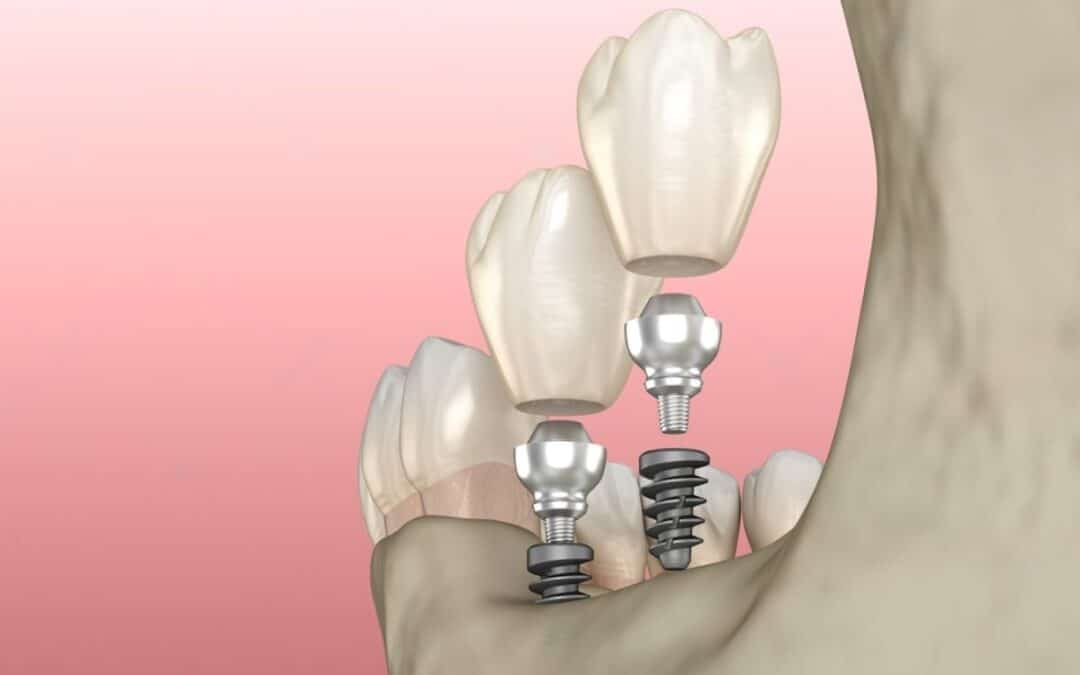
Before diving into the differences between traditional and mini implants, it’s important to understand what a dental implant is. Dental implants are titanium posts surgically placed into the jawbone, acting as artificial roots for replacement teeth. Once the post fuses with the bone in a process called osseointegration, a crown, bridge, or denture can be securely attached to it.
Traditional Dental Implants
Size and Structure: Traditional dental implants typically have a diameter of 3.5 to 6 mm. The larger size allows them to support larger restorations like crowns and bridges. A traditional implant consists of three parts: the titanium post, the abutment (connector), and the crown.
Procedure: The process of getting traditional implants involves multiple stages and can take several months. First, the implant post is surgically inserted into the jawbone, after which the patient needs a few months to heal as the implant integrates with the bone. Once the healing process is complete, the abutment is placed, followed by the crown or other dental restoration.
Ideal Candidates: Traditional dental implants are ideal for patients who have enough bone density to support the larger implant. If a patient has experienced bone loss, a bone grafting procedure may be required before implant placement, which can add to the timeline and cost.
Longevity: One of the major benefits of traditional implants is their durability. With proper care, they can last 20 years or more, making them a long-term investment in oral health.
Mini Dental Implants
Size and Structure: Mini dental implants are much smaller in diameter, typically around 1.8 to 3.3 mm. They are a one-piece structure, with the titanium post and abutment combined, which simplifies the procedure. Because they are smaller, mini implants are often used to support dentures or in areas where space is limited.
Procedure: The placement of mini dental implants is much less invasive than that of traditional implants. Since the posts are smaller, they don’t require as much bone density, and the procedure is usually quicker, often completed in a single visit. In many cases, patients don’t need sutures, and the recovery time is faster.
Ideal Candidates: Mini dental implants are a great option for patients with bone loss who may not qualify for traditional implants without additional procedures like bone grafting. They’re also an excellent solution for stabilizing dentures or replacing smaller teeth like incisors.
Longevity: While mini implants are effective, they may not last as long as traditional implants. They generally have a lifespan of 10–15 years, depending on how well they are cared for. However, they still offer a durable and practical option for many patients.
Key Differences Between Mini and Traditional Implants
- Size: Traditional implants are larger and can handle greater bite pressure, making them more suitable for molars and larger restorations. Mini implants, being smaller, are ideal for narrower spaces and smaller restorations.
- Procedure: Mini implants are less invasive, often requiring just one visit and a shorter recovery period. Traditional implants involve multiple steps and a longer healing process.
- Bone Density: Mini implants are suitable for patients with low bone density, while traditional implants may require bone grafting in such cases.
- Cost: Mini implants tend to be more affordable due to the quicker procedure and lack of additional steps like bone grafting.
- Durability: Traditional implants generally last longer and are better suited for high-stress areas like the back of the mouth. Mini implants, while still durable, may not last as long under heavy chewing pressure.
Which Option is Right for You?
The decision between mini and traditional dental implants depends on your specific needs and circumstances. If you have healthy bone density, want a long-lasting solution, and don’t mind a longer treatment process, traditional implants may be the best choice. However, if you’re looking for a less invasive, quicker option, or if you have bone loss, mini dental implants could be the ideal solution.
It’s essential to consult with a dentist near you or oral surgeon to determine which option is best for you. They will evaluate your oral health, bone density, and overall goals to recommend the implant that will best suit your needs.
Both traditional and mini dental implants offer excellent solutions for replacing missing teeth, each with its own advantages. Understanding the differences between the two can help you make an informed decision that aligns with your dental health and lifestyle. No matter which option you choose, dental implants are a proven way to restore your smile and improve your quality of life.
by 110 Dental & Orthodontics | Sep 27, 2024 | Dental Implants
Dental implants have revolutionized dentistry, offering a durable and aesthetically pleasing solution to missing teeth. These artificial tooth roots are surgically placed into the jawbone, providing a stable foundation for crowns, bridges, or dentures. As the popularity of dental implants continues to rise, so does the question of their longevity. In this comprehensive guide, we will delve into the factors that influence the lifespan of dental implants, addressing common concerns and providing insights into their long-term success.
Understanding Dental Implants
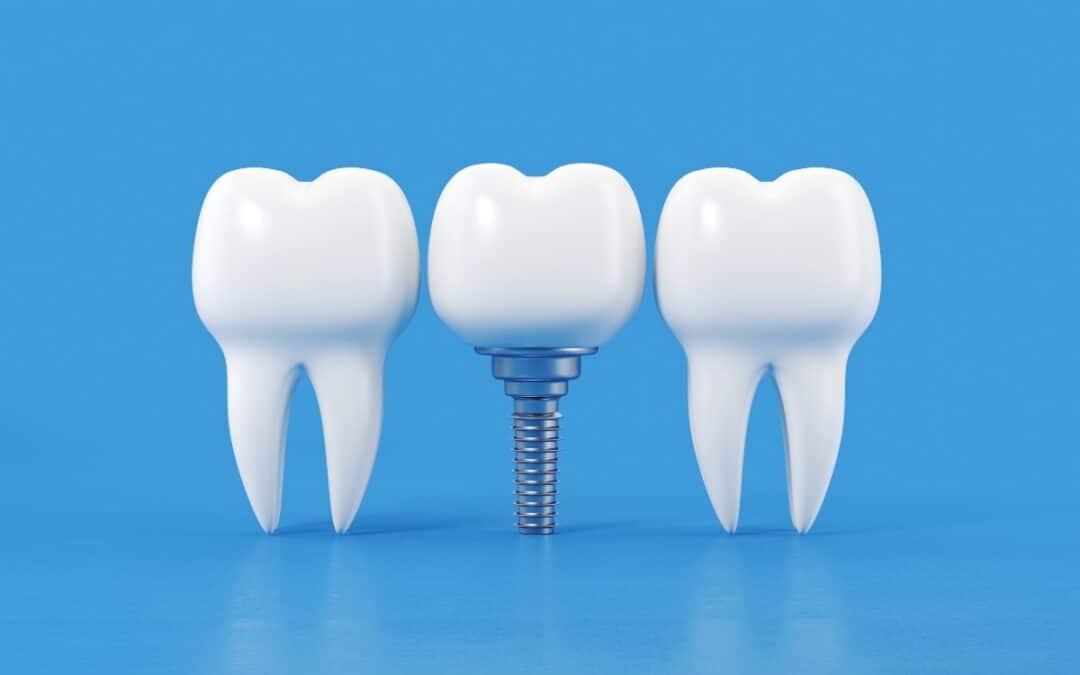
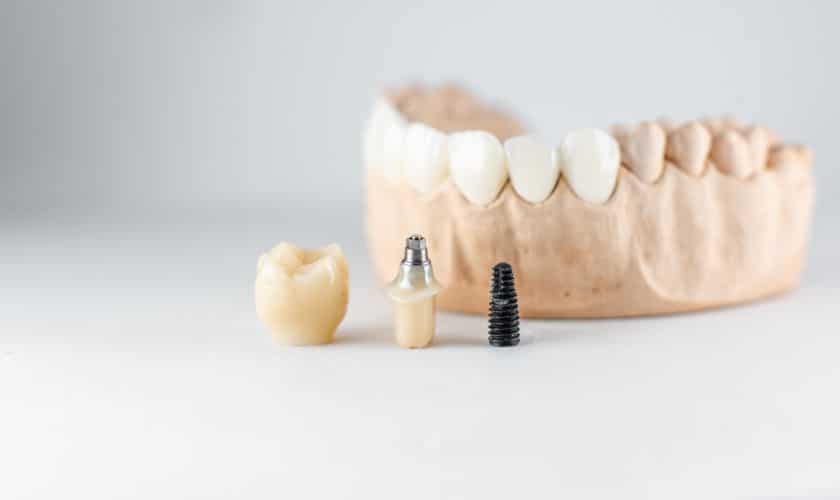
Dental implants consist of three main components:
- Implant Fixture: This is the titanium screw that is surgically inserted into the jawbone.
- Abutment: This connects the implant fixture to the restoration (crown, bridge, or denture).
- Restoration: This is the visible portion of the tooth replacement.
The success of dental implants depends on several factors, including the quality of the bone, the surgical technique, and the patient’s oral hygiene practices.
Factors Affecting the Longevity of Dental Implants
- Oral Hygiene: Proper oral care is crucial for the long-term success of dental implants. Regular brushing, flossing, and professional cleanings can help prevent gum disease and peri-implantitis, which can lead to implant failure.
- Bone Quality: The density and quality of the jawbone play a significant role in implant stability. Patients with insufficient bone may require bone grafting procedures before implant placement.
- Surgical Technique: The skill and experience of the dentist performing the implant procedure are essential for successful outcomes. A qualified dental professional will carefully assess the patient’s suitability for implants and use appropriate techniques to ensure optimal integration.
- Bite Forces: Excessive bite forces, such as those caused by bruxism (teeth grinding), can stress implants and increase the risk of failure. Patients with bruxism may benefit from wearing a nightguard to protect their teeth and implants.
- Smoking and Alcohol Consumption: Smoking and excessive alcohol use can impair healing and increase the risk of complications, including infections and gum disease. These habits should be avoided or minimized for optimal implant success.
Expected Lifespan of Dental Implants
With proper care and maintenance, dental implants can last for many years. Studies have shown that they can have a success rate of over 95% after 10 years. However, it’s important to note that individual results may vary.
Dental Implants in Whitehouse
At 110 Dental & Orthodontic, we are committed to providing high-quality dental implant services to patients in Whitehouse. Our experienced team of dentists and oral surgeons specializes in implant placement and restoration. We use state-of-the-art technology and techniques to ensure optimal outcomes and long-lasting results.
We encourage you to schedule a consultation with our team if you are considering dental implants. We will evaluate your specific needs and discuss the benefits and risks of this treatment option.
Conclusion
Dental implants offer a reliable and durable solution for missing teeth. Proper oral hygiene practices, maintaining a healthy lifestyle, and receiving regular dental care can significantly increase the longevity of your implants. If you are considering dental implants in Whitehouse, 110 Dental & Orthodontic is here to help. Contact us today to learn more.
by 110 Dental & Orthodontics | Aug 10, 2024 | Dental Implants
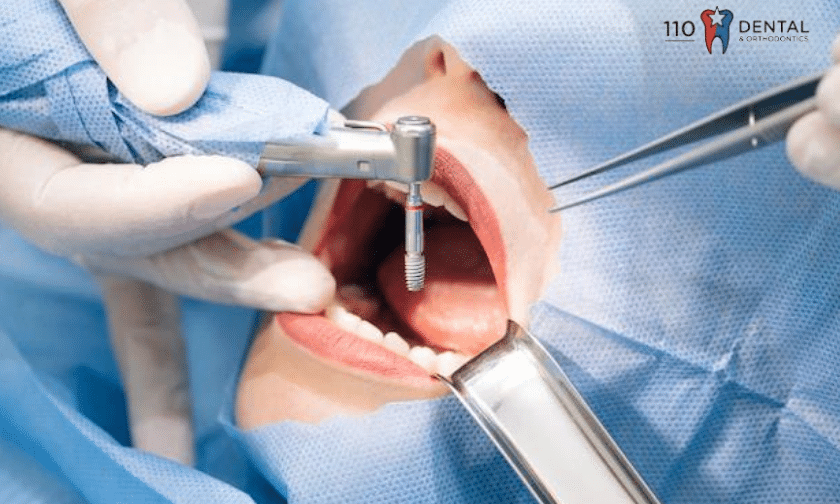
Dental implants are a great way to replace missing teeth and give you back your smile. This article will list some of the symptoms you need to look out for when getting dental implants.
1. Bleeding: One of the most common side effects of dental implant surgery is bleeding. If you notice any bleeding from your gums or mouth after surgery, be sure to contact your dentist right away.
2. Infection: Another potential complication of dental implant surgery is infection. If you notice any redness, swelling, or discharge around your implant site, be sure to contact your dentist right away.
3. Nerve damage: One of the more serious complications that can occur with dental implant surgery is nerve damage. This can cause numbness, tingling, or pain in your lips, gums, tongue, or chin. If you experience any of these symptoms after surgery, be sure to contact your dentist right away.
Swelling And Bruising Around The Gums
If you experience any swelling or bruising around your gums after getting dental implants, it’s important to call your dentist right away. While some degree of swelling and bruising is normal after surgery, excessive or prolonged bleeding could be a sign of infection.
Difficulty Eating Or Speaking
If you’re considering dental implants, it’s important to be aware of the potential complications and side effects. One of the most common complications is difficulty eating or speaking. This can occur if the implant is not placed correctly or if there is damage to the surrounding teeth. If you experience difficulty eating or speaking, it’s important to see your dentist right away so they can make any necessary adjustments.
Increased Pain Or Sensitivity Around The Implant Site
One common complication is increased pain or sensitivity around the implant site. This is usually temporary and can be treated with over-the-counter pain medication. However, if the pain is severe or lasts for more than a few days, you should see your dentist or oral surgeon. Other potential complications include infection, nerve damage, and sinus problems.
Loose Teeth
This can occur for a number of reasons, including improper placement of the implant, damage to the surrounding teeth, or infection. If you experience loose teeth, it’s important to see your dentist as soon as possible so that they can make the necessary adjustments.
Infection
Infection can occur at the implant site or in the surrounding tissue, and it can lead to serious health problems if left untreated.
The symptoms of an infection include:
- Pain at the implant site
- Swelling
- Redness
- Warmth to the touch
- Pus or drainage from the site
If you experience any of these symptoms, it’s important to see your dentist right away. An infection can quickly become serious, so it’s important to get treatment as soon as possible.
Allergic Reactions
When getting dental implants, it is important to be aware of the possibility of allergic reactions. Symptoms to look out for include:
- itchiness
- redness
- swelling
- hives
If you experience any of these symptoms, it is important to contact your dentist or implant specialist immediately. Allergic reactions can be serious and may require medical treatment.
The Bottom Line
Dental implants are a great way to improve your oral health and give you the smile that you have always dreamed of. Pay attention to any common symptoms such as swelling, pain or infection to ensure that your dental implants are successful. If you experience these symptoms, contact your dentist right away so they can treat the problem before it gets worse. With proper care and regular check-ups from your dentist, you should have no problems enjoying the benefits of having dental implants for many years!
by 110 Dental & Orthodontics | Mar 25, 2024 | Dental Implants
When you want to replace your missing or damaged teeth, you have multiple options. However, one choice that stands ahead of the rest is dental implants. Dental implants offer advantages better than other tooth replacement options, like dentures or bridges. Here are the top & amazing advantages of dental implants.
Top 10 Advantages Of Dental Implants
1. Prevents Bone Loss
When you lose teeth, you also lose jawbone mass. The jawbone needs the push when your tooth root connects with it to maintain its mass. Dental implants are the only tooth replacement alternative that replaces that jaw bone stimulation, allowing to stop bone loss.
2. Matches Natural Teeth
Dental implants come in multiple sorts of shapes and sizes. Your dentist will work with you to create implants that fit the shade of the other surrounding & natural teeth and fit flawlessly in the gap.
3. Restores Bite Force
Dental implants are fixed into the jaw with a titanium post that functions as a tooth root. It lets you bite with the same amount of force you could use with your natural teeth. Other tooth replacement options do not restore your bite force as much as implants do, because they get placed on top of the gums and not in the jaw bone.
4. Prevents Changes In Face Shape
Your teeth help sustain your facial form. When you lose teeth, you lose that support, which ultimately drives your face to change shape, making you look old. Whitehouse dental implants offer comparable support for your face to your natural teeth, stopping them from changing form.
5. Enables Natural Speech
Some tooth replacement options can affect your capability to pronounce words precisely. Missing teeth can also impact your speech. As dental implants sense and operate just like natural teeth, they let you speak effortlessly.
6. Won’t Get Cavities
Artificial teeth still need better dental care to prevent bacteria from forming in your mouth and driving infections, but fortunately, the material dental implants are fabricated of can’t decay. You’ll never have to bother about getting cavities in your implants!
7. No Awkward Slippage
Patients with dentures sometimes feel nervous about speaking, laughing, or eating in public, as dentures can easily move or slip inside the mouth. Dental implants are firmly fixed in place and will never mortify you.
8. Easy to Care
Dental implants don’t need buying any special products to clean or care for. There’s no requirement for cups, adhesives, or special kinds of flossers. You just brush and floss as you would on your natural teeth.
9. Permanent Solution to Tooth Loss
Other tooth replacement options will require to be fixed or replaced occasionally, but dental implants are created to last for the rest of your life.
10. Supports Adjacent Teeth
A gap in your mouth driven by a missing tooth can force the teeth on either side of the gap to move positions, leading to misalignment. Dental implants fill the gap, letting you keep straight, and even smile.
Dental Implants In Whitehouse
Now that you are aware of the advantages of dental implants, if you want to restore your smile, we suggest you visit our dental office for dental implants in Whitehouse, contact us now to book your appointment.