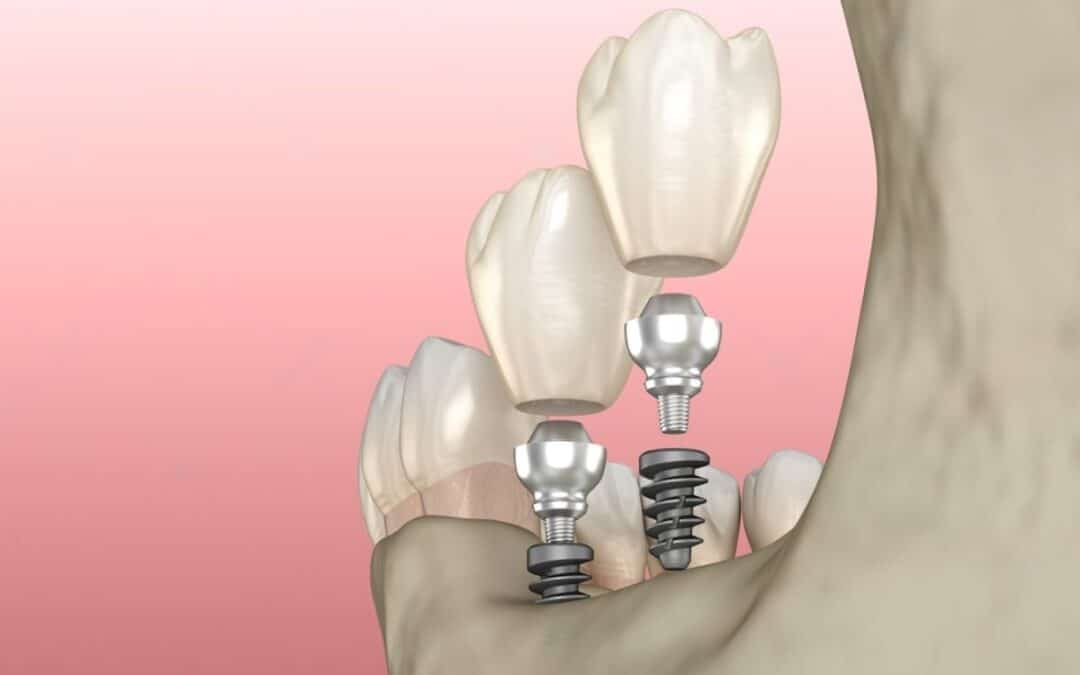
Dental implants have become the go-to solution for people looking to replace missing teeth with something that’s as close to natural teeth as possible. With advancements in technology, two main types of implants are now available: traditional dental implants and mini dental implants. While both serve the same purpose, they differ in terms of size, procedure, cost, and recovery time. Understanding the differences between these two options can help you decide which is the best choice for your dental needs.
What Are Dental Implants?
Before diving into the differences between traditional and mini implants, it’s important to understand what a dental implant is. Dental implants are titanium posts surgically placed into the jawbone, acting as artificial roots for replacement teeth. Once the post fuses with the bone in a process called osseointegration, a crown, bridge, or denture can be securely attached to it.
Traditional Dental Implants
Size and Structure: Traditional dental implants typically have a diameter of 3.5 to 6 mm. The larger size allows them to support larger restorations like crowns and bridges. A traditional implant consists of three parts: the titanium post, the abutment (connector), and the crown.
Procedure: The process of getting traditional implants involves multiple stages and can take several months. First, the implant post is surgically inserted into the jawbone, after which the patient needs a few months to heal as the implant integrates with the bone. Once the healing process is complete, the abutment is placed, followed by the crown or other dental restoration.
Ideal Candidates: Traditional dental implants are ideal for patients who have enough bone density to support the larger implant. If a patient has experienced bone loss, a bone grafting procedure may be required before implant placement, which can add to the timeline and cost.
Longevity: One of the major benefits of traditional implants is their durability. With proper care, they can last 20 years or more, making them a long-term investment in oral health.
Mini Dental Implants
Size and Structure: Mini dental implants are much smaller in diameter, typically around 1.8 to 3.3 mm. They are a one-piece structure, with the titanium post and abutment combined, which simplifies the procedure. Because they are smaller, mini implants are often used to support dentures or in areas where space is limited.
Procedure: The placement of mini dental implants is much less invasive than that of traditional implants. Since the posts are smaller, they don’t require as much bone density, and the procedure is usually quicker, often completed in a single visit. In many cases, patients don’t need sutures, and the recovery time is faster.
Ideal Candidates: Mini dental implants are a great option for patients with bone loss who may not qualify for traditional implants without additional procedures like bone grafting. They’re also an excellent solution for stabilizing dentures or replacing smaller teeth like incisors.
Longevity: While mini implants are effective, they may not last as long as traditional implants. They generally have a lifespan of 10–15 years, depending on how well they are cared for. However, they still offer a durable and practical option for many patients.
Key Differences Between Mini and Traditional Implants
- Size: Traditional implants are larger and can handle greater bite pressure, making them more suitable for molars and larger restorations. Mini implants, being smaller, are ideal for narrower spaces and smaller restorations.
- Procedure: Mini implants are less invasive, often requiring just one visit and a shorter recovery period. Traditional implants involve multiple steps and a longer healing process.
- Bone Density: Mini implants are suitable for patients with low bone density, while traditional implants may require bone grafting in such cases.
- Cost: Mini implants tend to be more affordable due to the quicker procedure and lack of additional steps like bone grafting.
- Durability: Traditional implants generally last longer and are better suited for high-stress areas like the back of the mouth. Mini implants, while still durable, may not last as long under heavy chewing pressure.
Which Option is Right for You?
The decision between mini and traditional dental implants depends on your specific needs and circumstances. If you have healthy bone density, want a long-lasting solution, and don’t mind a longer treatment process, traditional implants may be the best choice. However, if you’re looking for a less invasive, quicker option, or if you have bone loss, mini dental implants could be the ideal solution.
It’s essential to consult with a dentist near you or oral surgeon to determine which option is best for you. They will evaluate your oral health, bone density, and overall goals to recommend the implant that will best suit your needs.
Both traditional and mini dental implants offer excellent solutions for replacing missing teeth, each with its own advantages. Understanding the differences between the two can help you make an informed decision that aligns with your dental health and lifestyle. No matter which option you choose, dental implants are a proven way to restore your smile and improve your quality of life.