Dental implants have revolutionized dentistry, offering a durable and aesthetically pleasing solution to missing teeth. These artificial tooth roots are surgically placed into the jawbone, providing a stable foundation for crowns, bridges, or dentures. As the popularity of dental implants continues to rise, so does the question of their longevity. In this comprehensive guide, we will delve into the factors that influence the lifespan of dental implants, addressing common concerns and providing insights into their long-term success.
Understanding Dental Implants
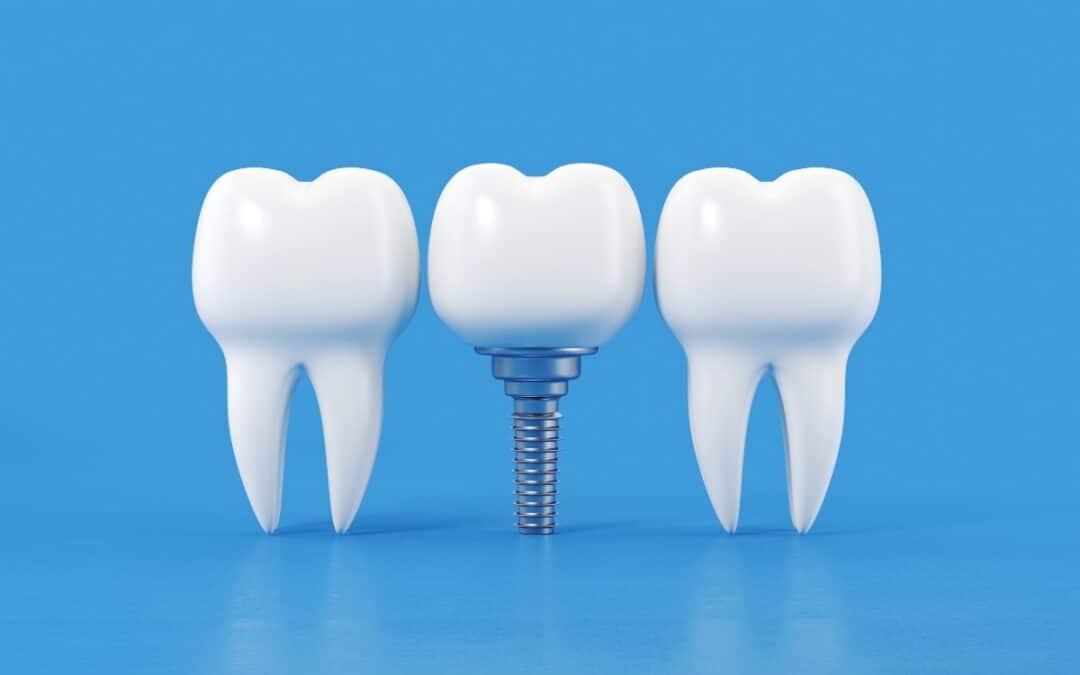
Dental implants consist of three main components:
- Implant Fixture: This is the titanium screw that is surgically inserted into the jawbone.
- Abutment: This connects the implant fixture to the restoration (crown, bridge, or denture).
- Restoration: This is the visible portion of the tooth replacement.
The success of dental implants depends on several factors, including the quality of the bone, the surgical technique, and the patient’s oral hygiene practices.
Factors Affecting the Longevity of Dental Implants
- Oral Hygiene: Proper oral care is crucial for the long-term success of dental implants. Regular brushing, flossing, and professional cleanings can help prevent gum disease and peri-implantitis, which can lead to implant failure.
- Bone Quality: The density and quality of the jawbone play a significant role in implant stability. Patients with insufficient bone may require bone grafting procedures before implant placement.
- Surgical Technique: The skill and experience of the dentist performing the implant procedure are essential for successful outcomes. A qualified dental professional will carefully assess the patient’s suitability for implants and use appropriate techniques to ensure optimal integration.
- Bite Forces: Excessive bite forces, such as those caused by bruxism (teeth grinding), can stress implants and increase the risk of failure. Patients with bruxism may benefit from wearing a nightguard to protect their teeth and implants.
- Smoking and Alcohol Consumption: Smoking and excessive alcohol use can impair healing and increase the risk of complications, including infections and gum disease. These habits should be avoided or minimized for optimal implant success.
Expected Lifespan of Dental Implants
With proper care and maintenance, dental implants can last for many years. Studies have shown that they can have a success rate of over 95% after 10 years. However, it’s important to note that individual results may vary.
Dental Implants in Whitehouse
At 110 Dental & Orthodontic, we are committed to providing high-quality dental implant services to patients in Whitehouse. Our experienced team of dentists and oral surgeons specializes in implant placement and restoration. We use state-of-the-art technology and techniques to ensure optimal outcomes and long-lasting results.
We encourage you to schedule a consultation with our team if you are considering dental implants. We will evaluate your specific needs and discuss the benefits and risks of this treatment option.
Conclusion
Dental implants offer a reliable and durable solution for missing teeth. Proper oral hygiene practices, maintaining a healthy lifestyle, and receiving regular dental care can significantly increase the longevity of your implants. If you are considering dental implants in Whitehouse, 110 Dental & Orthodontic is here to help. Contact us today to learn more.