by 110 Dental & Orthodontics | Oct 21, 2024 | Dental Implants
Dental implants have become the go-to solution for people looking to replace missing teeth with something that’s as close to natural teeth as possible. With advancements in technology, two main types of implants are now available: traditional dental implants and mini dental implants. While both serve the same purpose, they differ in terms of size, procedure, cost, and recovery time. Understanding the differences between these two options can help you decide which is the best choice for your dental needs.
What Are Dental Implants?
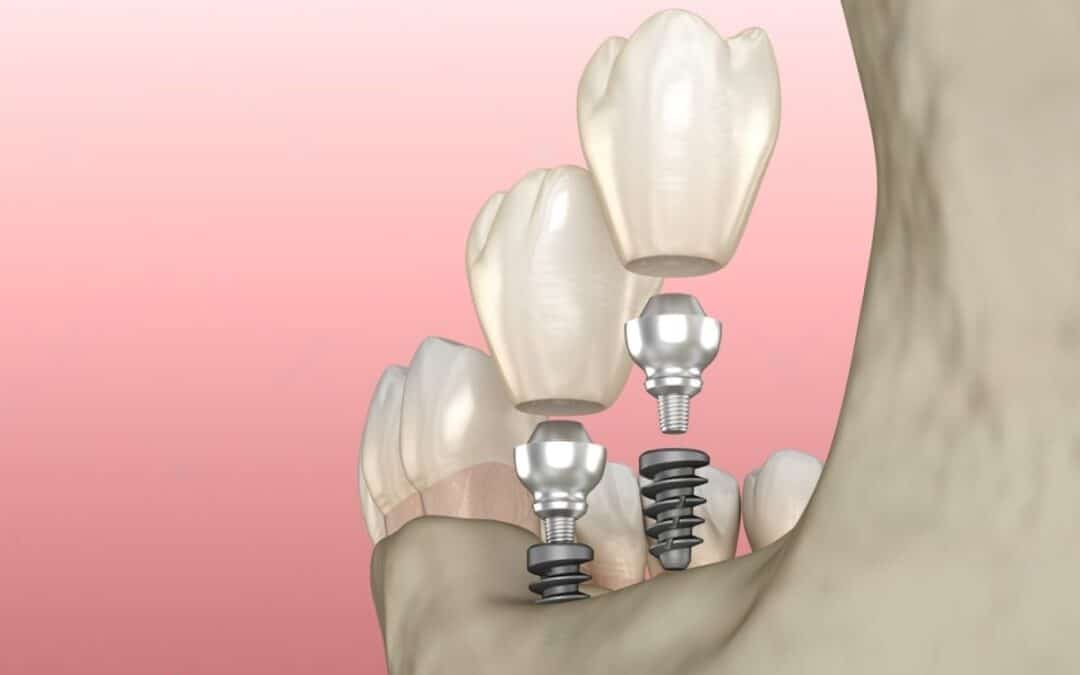
Before diving into the differences between traditional and mini implants, it’s important to understand what a dental implant is. Dental implants are titanium posts surgically placed into the jawbone, acting as artificial roots for replacement teeth. Once the post fuses with the bone in a process called osseointegration, a crown, bridge, or denture can be securely attached to it.
Traditional Dental Implants
Size and Structure: Traditional dental implants typically have a diameter of 3.5 to 6 mm. The larger size allows them to support larger restorations like crowns and bridges. A traditional implant consists of three parts: the titanium post, the abutment (connector), and the crown.
Procedure: The process of getting traditional implants involves multiple stages and can take several months. First, the implant post is surgically inserted into the jawbone, after which the patient needs a few months to heal as the implant integrates with the bone. Once the healing process is complete, the abutment is placed, followed by the crown or other dental restoration.
Ideal Candidates: Traditional dental implants are ideal for patients who have enough bone density to support the larger implant. If a patient has experienced bone loss, a bone grafting procedure may be required before implant placement, which can add to the timeline and cost.
Longevity: One of the major benefits of traditional implants is their durability. With proper care, they can last 20 years or more, making them a long-term investment in oral health.
Mini Dental Implants
Size and Structure: Mini dental implants are much smaller in diameter, typically around 1.8 to 3.3 mm. They are a one-piece structure, with the titanium post and abutment combined, which simplifies the procedure. Because they are smaller, mini implants are often used to support dentures or in areas where space is limited.
Procedure: The placement of mini dental implants is much less invasive than that of traditional implants. Since the posts are smaller, they don’t require as much bone density, and the procedure is usually quicker, often completed in a single visit. In many cases, patients don’t need sutures, and the recovery time is faster.
Ideal Candidates: Mini dental implants are a great option for patients with bone loss who may not qualify for traditional implants without additional procedures like bone grafting. They’re also an excellent solution for stabilizing dentures or replacing smaller teeth like incisors.
Longevity: While mini implants are effective, they may not last as long as traditional implants. They generally have a lifespan of 10–15 years, depending on how well they are cared for. However, they still offer a durable and practical option for many patients.
Key Differences Between Mini and Traditional Implants
- Size: Traditional implants are larger and can handle greater bite pressure, making them more suitable for molars and larger restorations. Mini implants, being smaller, are ideal for narrower spaces and smaller restorations.
- Procedure: Mini implants are less invasive, often requiring just one visit and a shorter recovery period. Traditional implants involve multiple steps and a longer healing process.
- Bone Density: Mini implants are suitable for patients with low bone density, while traditional implants may require bone grafting in such cases.
- Cost: Mini implants tend to be more affordable due to the quicker procedure and lack of additional steps like bone grafting.
- Durability: Traditional implants generally last longer and are better suited for high-stress areas like the back of the mouth. Mini implants, while still durable, may not last as long under heavy chewing pressure.
Which Option is Right for You?
The decision between mini and traditional dental implants depends on your specific needs and circumstances. If you have healthy bone density, want a long-lasting solution, and don’t mind a longer treatment process, traditional implants may be the best choice. However, if you’re looking for a less invasive, quicker option, or if you have bone loss, mini dental implants could be the ideal solution.
It’s essential to consult with a dentist near you or oral surgeon to determine which option is best for you. They will evaluate your oral health, bone density, and overall goals to recommend the implant that will best suit your needs.
Both traditional and mini dental implants offer excellent solutions for replacing missing teeth, each with its own advantages. Understanding the differences between the two can help you make an informed decision that aligns with your dental health and lifestyle. No matter which option you choose, dental implants are a proven way to restore your smile and improve your quality of life.
by 110 Dental & Orthodontics | Oct 14, 2024 | Dental Sealants
Keeping your mouth healthy is key to overall wellness, and one proven way to prevent cavities is by using dental sealants. At My 110 Dental & Orthodontics, we recommend dental sealants as a protective coating applied to the chewing surfaces of teeth, especially molars and premolars. These areas are highly prone to decay due to their natural grooves and pits, which can trap food particles and bacteria. In this blog, we’ll discuss what dental sealants are, how they work, their benefits, and why they play an essential role in preventative dental care.
What Are Dental Sealants?
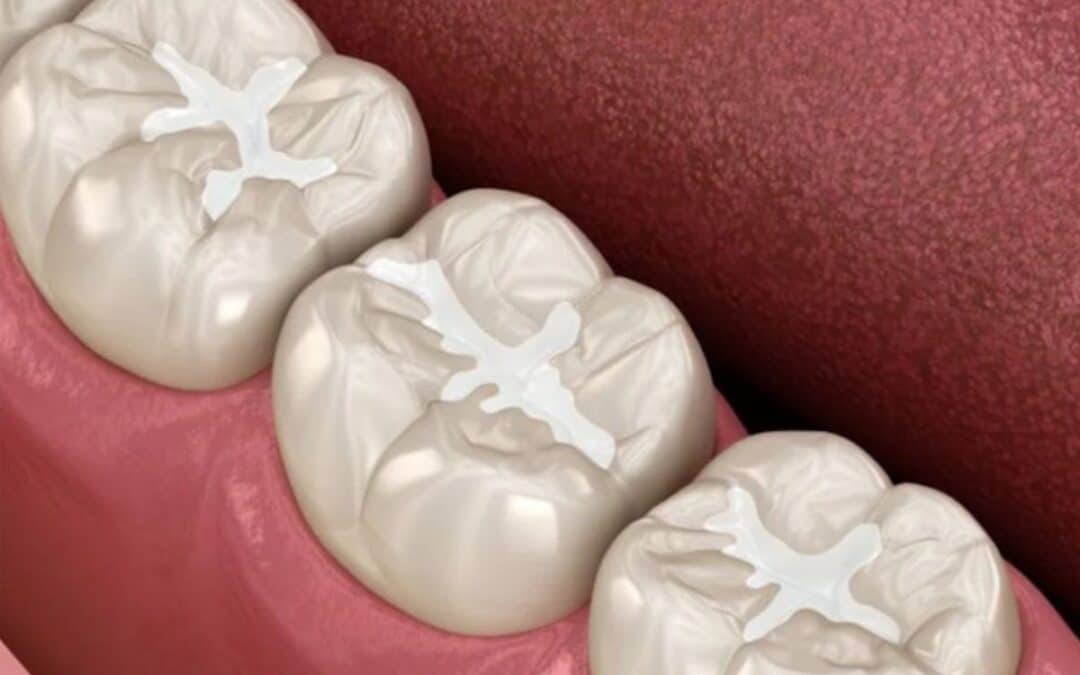
Dental sealants are thin plastic coatings that are applied to the back teeth’s chewing surfaces. They are typically put in the molars and premolars, which have deep grooves and fissures that might be difficult to fully clean with regular brushing and flossing. Sealants act as a barrier, protecting the enamel from plaque and acids that cause decay of tooth.
The process of applying dental sealants in Whitehouse is simple, quick, and painless. Here’s how it works:
- Cleaning the Teeth: The teeth receiving the sealants are thoroughly cleaned to remove any plaque or food particles.
- Preparing the Teeth: To give the chewing surfaces a rough texture, an acid-based solution is administered after the teeth have been cleaned and allowed to dry. This texture helps the sealant bond to the teeth.
- Applying the Sealant: The teeth are rinsed and dried again before the sealant material is painted onto the chewing surfaces. The sealant quickly bonds to the enamel and hardens, often with the help of a special curing light.
- Final Check: The dentist or dental hygienist will check the sealants to ensure they are properly placed and fully hardened.
How Do Dental Sealants Prevent Cavities?
Dental sealants work by creating a smooth, protective shield over the tooth’s surface. This barrier prevents food particles and bacteria from getting trapped in the grooves and fissures of the teeth, where they can cause decay. Sealants lower the incidence of cavities and make it simpler to maintain proper dental hygiene by covering these susceptible areas.
Benefits of Dental Sealants
Dental sealants offer numerous benefits, making them an excellent choice for cavity prevention:
- Effective Protection: Sealants provide a protective layer that shields teeth from harmful bacteria and acids that cause decay.
- Long-Lasting: With proper care, dental sealants can last for several years before needing to be reapplied. Regular dental check-ups can help monitor their condition.
- Cost-Effective: Sealants are a cost-effective preventative measure. They are typically less expensive than fillings and other treatments for tooth decay.
- Painless Application: The process of applying sealants is quick, easy, and painless, making it an ideal choice for children and adults alike.
- Promotes Oral Health: By preventing cavities, sealants help maintain overall oral health and reduce the need for more invasive dental treatments.
Who Should Get Dental Sealants?
Although dental sealants are frequently thought of as being for kids, everyone can benefit from them. Here’s a look at who should consider getting dental sealants:
- Children and Teens: Sealants are most commonly applied to children’s molars and premolars shortly after they erupt. This early protection helps prevent cavities during the cavity-prone years of childhood and adolescence.
- Adults: Sealants can also help adults whose molars are free of decay or fillings. Teeth with deep grooves or those that are more susceptible to decay may benefit from their protection.
- Those with a History of Cavities: Individuals who have had cavities in the past may be more susceptible to future decay. Sealants can provide an extra layer of protection.
Dental sealants are a powerful tool in preventing tooth decay. By forming a protective layer over the chewing surfaces of teeth, they effectively block out cavity-causing bacteria and support long-term oral health. Ideal for children, teens, and adults, dental sealants offer a safe, affordable solution for maintaining a healthy smile. If you’d like to explore whether dental sealants are right for you or your child, the team at My 110 Dental & Orthodontics in Whitehouse, TX, is here to help. Talk to your dentist at your next visit and take a proactive step toward a healthier future!
by 110 Dental & Orthodontics | Oct 7, 2024 | Teeth Whitening
Teeth whitening is a popular way to achieve a brighter smile, but it can be tricky if you have sensitive teeth. People with tooth sensitivity may experience discomfort with certain whitening methods, but that doesn’t mean they have to miss out on a sparkling smile. Here, we explore safe options for whitening sensitive teeth and helpful tips for protecting your enamel while enhancing your smile.
Why Are Some Teeth More Sensitive?
When your teeth protective enamel covering erodes, the sensitive dentin beneath is revealed, which results in tooth sensitivity. When exposed, the tiny tubes in the dentin that connect to the tooth’s nerve core respond violently to pressure or temperature changes. This sensitivity can make common whitening treatments feel uncomfortable, but choosing the right approach can help reduce discomfort.
Safe Whitening Options for Sensitive Teeth
If you’re looking for teeth whitening in Whitehouse but are worried about sensitivity, consider these safe and effective methods designed to be gentle on your enamel.
1. Professional In-Office Whitening with Your Dentist
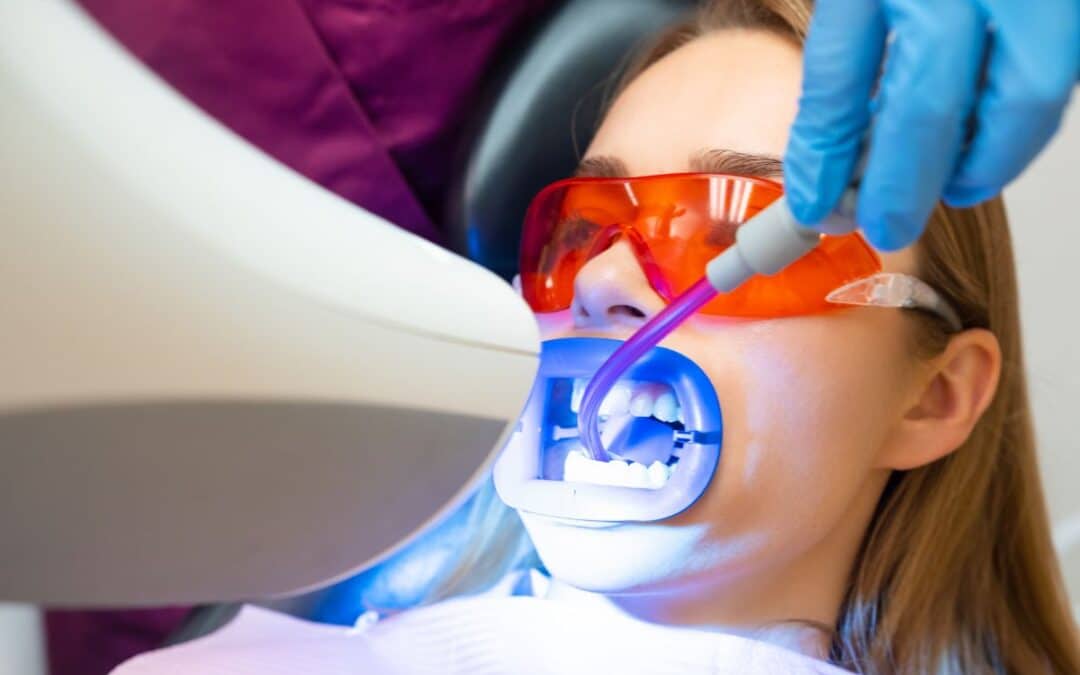
A professional whitening treatment is often one of the safest options for people with sensitive teeth. A cosmetic Dentist in Whitehouse or your local dentist can apply a customized whitening gel that is both powerful and safe. In-office treatments allow professionals to monitor the process closely, adjusting the concentration as needed to prevent sensitivity while delivering excellent results.
2. Whitening Toothpaste for Sensitive Teeth
For mild whitening needs, a toothpaste specially formulated for sensitivity can gradually brighten your smile. These toothpastes often contain mild abrasives that polish the teeth gently, helping to remove surface stains without causing discomfort. This method takes longer to show results, but it’s gentle and safe for daily use.
3. At-Home Whitening Kits with Low-Strength Gel
If you’re interested in at-home options, look for whitening kits specifically designed for sensitive teeth. These typically contain a lower concentration of whitening agents, like hydrogen peroxide or carbamide peroxide, which minimizes potential irritation. Many kits also include desensitizing agents to help soothe sensitive teeth throughout the process.
4. Customized Whitening Trays
A custom-fit tray from your dentist can improve comfort and effectiveness during whitening treatments. Custom trays hold the whitening gel evenly against each tooth, reducing the risk of gum irritation and improving results. This is a great option for sensitive teeth because custom trays enable lower-strength gels and shorter wear times.
Tips to Protect Your Sensitive Teeth During Whitening
Whether you choose a professional or an at-home whitening option, these tips can help minimize discomfort and protect your teeth’s sensitivity:
1. Use a Desensitizing Toothpaste Before and After Whitening
Desensitizing toothpaste stops the nerves in your teeth from receiving pain signals. Sensitivity can be managed by using this kind of toothpaste for a week or two prior to beginning a whitening procedure and then continuing thereafter.
2. Limit Whitening Sessions
For those with sensitive teeth, shorter whitening sessions are recommended. By limiting the amount of time the whitening product is in contact with your teeth, you reduce the risk of sensitivity flare-ups. For at-home kits, consider spreading out your treatments over a longer period.
3. Avoid Acidic Foods and Drinks
During and after the whitening process, try to avoid acidic foods and beverages, such as citrus fruits, soda, and coffee. These can weaken enamel and worsen sensitivity. Instead, focus on a balanced diet with plenty of calcium-rich foods to support enamel health.
4. Follow Up with Fluoride
After whitening, a fluoride treatment can help remineralize your enamel, reducing sensitivity and strengthening your teeth. Many professional whitening treatments include a post-whitening fluoride application, but fluoride toothpaste or mouthwash can work well for at-home care.
Achieving a Brighter Smile with Comfort in Mind
With the right approach, teeth whitening can be both effective and gentle. Sensitive teeth don’t have to stand in the way of a bright smile, and by choosing safe, tailored methods, you can achieve the look you want comfortably. If you have concerns, consult with My 110 Dental & Orthodontics to discuss personalized whitening options that fit your needs.
by 110 Dental & Orthodontics | Sep 27, 2024 | Dental Implants
Dental implants have revolutionized dentistry, offering a durable and aesthetically pleasing solution to missing teeth. These artificial tooth roots are surgically placed into the jawbone, providing a stable foundation for crowns, bridges, or dentures. As the popularity of dental implants continues to rise, so does the question of their longevity. In this comprehensive guide, we will delve into the factors that influence the lifespan of dental implants, addressing common concerns and providing insights into their long-term success.
Understanding Dental Implants
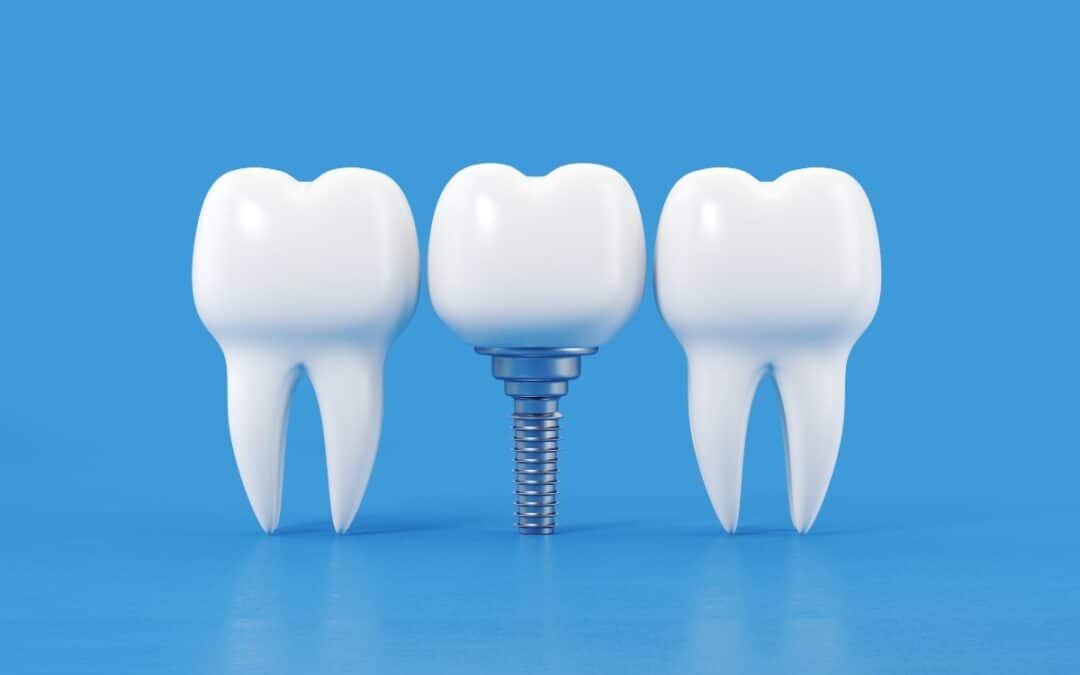
Dental implants consist of three main components:
- Implant Fixture: This is the titanium screw that is surgically inserted into the jawbone.
- Abutment: This connects the implant fixture to the restoration (crown, bridge, or denture).
- Restoration: This is the visible portion of the tooth replacement.
The success of dental implants depends on several factors, including the quality of the bone, the surgical technique, and the patient’s oral hygiene practices.
Factors Affecting the Longevity of Dental Implants
- Oral Hygiene: Proper oral care is crucial for the long-term success of dental implants. Regular brushing, flossing, and professional cleanings can help prevent gum disease and peri-implantitis, which can lead to implant failure.
- Bone Quality: The density and quality of the jawbone play a significant role in implant stability. Patients with insufficient bone may require bone grafting procedures before implant placement.
- Surgical Technique: The skill and experience of the dentist performing the implant procedure are essential for successful outcomes. A qualified dental professional will carefully assess the patient’s suitability for implants and use appropriate techniques to ensure optimal integration.
- Bite Forces: Excessive bite forces, such as those caused by bruxism (teeth grinding), can stress implants and increase the risk of failure. Patients with bruxism may benefit from wearing a nightguard to protect their teeth and implants.
- Smoking and Alcohol Consumption: Smoking and excessive alcohol use can impair healing and increase the risk of complications, including infections and gum disease. These habits should be avoided or minimized for optimal implant success.
Expected Lifespan of Dental Implants
With proper care and maintenance, dental implants can last for many years. Studies have shown that they can have a success rate of over 95% after 10 years. However, it’s important to note that individual results may vary.
Dental Implants in Whitehouse
At 110 Dental & Orthodontic, we are committed to providing high-quality dental implant services to patients in Whitehouse. Our experienced team of dentists and oral surgeons specializes in implant placement and restoration. We use state-of-the-art technology and techniques to ensure optimal outcomes and long-lasting results.
We encourage you to schedule a consultation with our team if you are considering dental implants. We will evaluate your specific needs and discuss the benefits and risks of this treatment option.
Conclusion
Dental implants offer a reliable and durable solution for missing teeth. Proper oral hygiene practices, maintaining a healthy lifestyle, and receiving regular dental care can significantly increase the longevity of your implants. If you are considering dental implants in Whitehouse, 110 Dental & Orthodontic is here to help. Contact us today to learn more.

by 110 Dental & Orthodontics | Sep 20, 2024 | Emergency Dental Care
A dental emergency can be a frightening and painful experience. Knowing what to do in these situations is crucial, whether it’s a knocked-out tooth, a severe toothache. Here are five things you need to know about dental emergency consultations:
5 Things You Need to Know
1.What constitutes a dental emergency?
A dental emergency is a situation that requires immediate attention from a dentist. Some common dental emergencies include:
- Severe toothache: A throbbing or constant toothache that doesn’t subside with over-the-counter pain relievers.
- Knocked-out tooth: A tooth that has been completely dislodged from the socket.
- Broken tooth: A tooth that has been chipped, cracked, or fractured.
- Object lodged in a tooth: A foreign object stuck between teeth or in a tooth socket.
- Bleeding gums: Excessive bleeding from the gums that doesn’t stop with pressure.
- Swollen jaw: A swollen jaw that is painful or tender to the touch.
- Abscess: A pus-filled pocket of infection in the gums or teeth.
2.When should you seek immediate dental care?
If you are experiencing any of the symptoms listed above, it’s essential to seek immediate dental care. Delaying treatment can lead to more severe complications, such as infection, tooth loss, or systemic problems.
3.How to find an emergency dentist in Whitehouse, Texas
If you’re experiencing a dental emergency in Whitehouse, Texas, here are a few tips for finding an emergency dentist:
- Contact your regular dentist: If your dentist is unavailable, they may be able to recommend an emergency dentist.
- Check your dental insurance: Your dental insurance may have a list of emergency dentists in Whitehouse, Texas.
- Use a dental directory: Many online directories can help you find emergency dentists.
- Go to the nearest hospital: Most hospitals have emergency dental services available.
4.What to expect during an emergency dental visit
You will be asked to complete some paperwork when you arrive at the dentist’s office. The dentist will then examine your mouth and determine the cause of your dental emergency. Depending on the severity of the problem, the dentist may need to perform one or more of the following procedures:
- Pain relief: The dentist may prescribe pain medication to help alleviate your discomfort.
- Tooth repair: If your tooth is broken or chipped, the dentist may be able to repair it with a filling or crown.
- Tooth extraction: If a tooth is severely damaged or cannot be repaired, the dentist may need to extract it.
- Root canal: If the nerve of a tooth is damaged, the dentist may perform a root canal to save the tooth.
- Antibiotics: If you have an infection, the dentist may prescribe antibiotics.
5. How to prevent dental emergencies
While dental emergencies can happen to anyone, there are several things you can do to help prevent them:
- Practice good oral hygiene: Brush your teeth twice daily with fluoride toothpaste and floss daily.
- See your dentist regularly: Visit your dentist for regular checkups and cleanings.
- Wear a mouthguard: If you play sports or grind your teeth at night, wear a mouthguard to protect your teeth.
- Avoid harmful habits: Avoid smoking, excessive alcohol consumption, and hard candy.
- Eat a healthy diet: A balanced diet can help keep your teeth and gums healthy.
Following these tips can reduce your risk of experiencing a dental emergency. However, if you do experience one, it’s essential to seek immediate attention from a qualified dentist.
110 Dental & Orthodontic: Your Trusted Dental Care Partner in Whitehouse, Texas
At 110 Dental & Orthodontic, we are committed to providing exceptional dental care to our patients in Whitehouse, Texas. Our team of experienced dentists and orthodontists is dedicated to helping you achieve a healthy, beautiful smile.
Dental Emergencies:
If you are experiencing a dental emergency, please contact us immediately. We offer emergency dental services to address urgent dental problems.
Why Choose 110 Dental & Orthodontic?
- Experienced team: Our dentists and orthodontists have years of experience and are committed to staying up-to-date with the latest dental techniques and technologies.
- State-of-the-art equipment: We use the latest dental equipment to provide the most effective and comfortable care.
- Personalized care: We believe in treating each patient individually and tailoring our treatment plans to meet your needs.
- Comfortable environment: Our office is designed to be a welcoming and relaxing space for patients of all ages.
- Convenient location: We are conveniently located in Whitehouse, Texas, making accessing our services accessible.
Contact Us
To schedule an appointment or learn more about our services, please contact us.
