
by 110 Dental & Orthodontics | Nov 25, 2024 | Dental Implants
For those looking for a long-term solution to replace lost teeth, dental implants are a revolutionary option. These advanced restorations offer durability, aesthetics, and functionality unmatched by traditional alternatives. However, a number of variables, such as your gum health and oral health, affect how well they work.
One of the most significant threats to implant success is gum disease, a familiar yet often underestimated issue. Gum infections can compromise the foundation of your teeth and negatively impact implants. Understanding this connection is essential if you’re considering implants to restore your smile.
Gum Disease and Its Impact on Implant Success
Gum disease, or periodontal disease, is an infection of the gums caused by bacteria in plaque buildup. It progresses in stages, from mild inflammation to severe infections that damage the bone and tissue supporting your teeth. For implants, a healthy foundation is critical.
If gum disease compromises the surrounding tissue or bone, the stability may be at risk. Severe gum infections can lead to peri-implantitis, a condition resembling advanced periodontitis. Peri-implantitis causes inflammation around the implant, potentially leading to implant failure. Addressing gum disease before implant placement is crucial to ensure long-term success.
The Connection of Gum Health and Implant
The connection between gum health and implant success is rooted in the biology of healing and integration. Implants depend on a clean, healthy environment for proper bonding with the jawbone. Compromised gums introduce bacteria that disrupt healing and increase the risk of infection. Key factors that link gum health to implant integration include:
Bone Loss: Advanced gum disease erodes the jawbone, reducing the support necessary for implant stability.
Inflammation: Chronic gum inflammation weakens the surrounding tissues, affecting the ability to anchor securely.
Immune Response: Ongoing gum disease triggers immune reactions that interfere with the healing process after implant placement.
Before considering dental implants in Whitehouse, a dentist will evaluate your gum health to address underlying issues. Taking this step ensures the best chance for implant longevity and effectiveness.
How Gum Disease Treatment and Implants Can Transform Oral Health?
Treating gum disease before implant placement can significantly improve the success rate and overall oral health. Periodontal therapies not only save natural teeth but also create a healthy foundation for future restorations.
Gum Disease Treatment
In cases where a tooth is severely damaged due to infection, a root canal may be an alternative to extraction. Root canal treatment preserves the natural tooth and prevents further complications, making the mouth more prepared for implants if needed.
How Implants Enhance Oral Health?
Implants are more than a cosmetic solution; they actively benefit your oral health by:
- Preventing bone loss in the jaw by stimulating the bone during chewing.
- Maintaining proper alignment by filling gaps and preventing shifting of adjacent teeth.
- Offering a permanent solution that doesn’t compromise neighboring teeth, unlike bridges.
- When combined with gum disease treatment, implants restore both functionality and appearance, leading to a healthier, more confident smile. Consulting with a dentist at 110 Dental and Orthodontics can help you determine the right treatment plan.
Gum health plays an essential role in the success of dental implants. Addressing gum disease before implant placement ensures a solid foundation for long-lasting restoration. With proper care and periodontal treatment, you can enjoy the full benefits of implants without unnecessary complications. Don’t let gum disease hold you back. Schedule a consultation and visit our dental office in Whitehouse today to explore your options for a straighter smile.
by 110 Dental & Orthodontics | Nov 18, 2024 | Specialty Dentistry
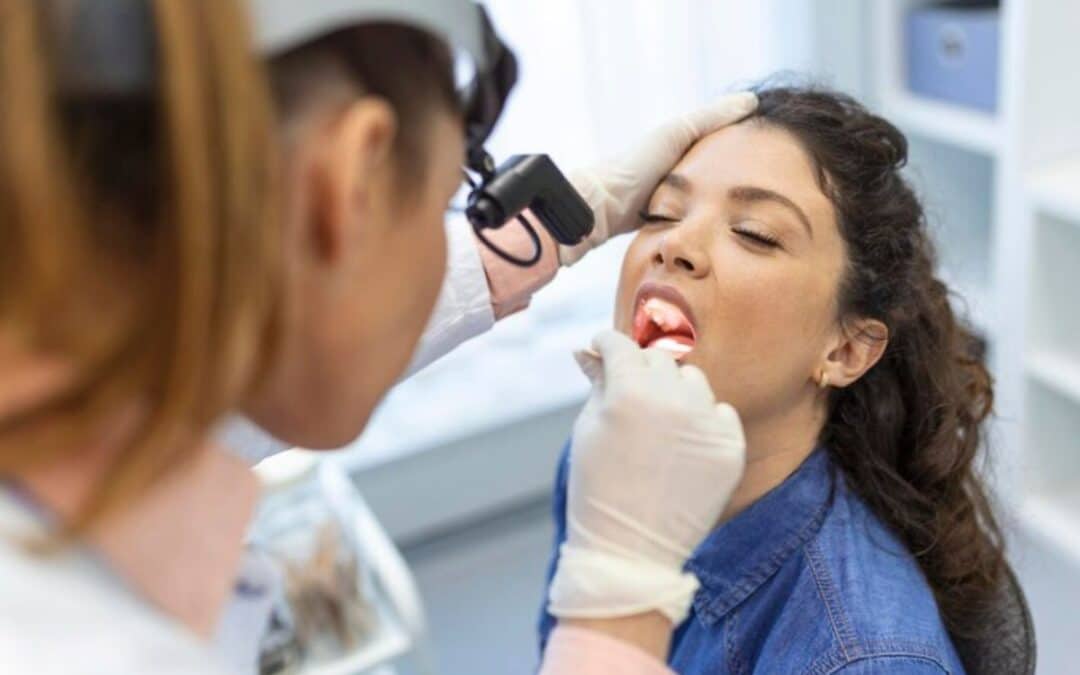
Gum disease! Hearing the term might make your gums feel more sensitive. However, can you tell if it’s something to be concerned about or just a little gum irritation? This is actually one of the most common oral health issues people face, and surprisingly, many don’t even realize they have it until it’s advanced. So, what are the early warning signs? Could it be more than a bit of redness or discomfort? In this blog, you will get to know the symptoms so you know exactly when to seek help for gum disease treatment in Whitehouse.
What is Gum Disease?
It is also known as periodontal disease, a bacterial infection in the gums that can gradually damage the tissues supporting your teeth. However, the good news is that it doesn’t start off painfully or dramatically. In fact, the early signs can be quite subtle, making it easy to overlook them.
Recognizing the Early Warning Signs of Gum Disease
Early detection is essential for effective treatment, but what exactly should you be looking out for? Here are some early warning signs that indicate it might be time to consider periodontal disease treatment.
Bleeding Gums During Brushing or Flossing
One of the first signs of this disease is bleeding. If you notice blood on your toothbrush or while flossing, it’s not something to ignore. Occasional bleeding can happen if you brush too hard, but if it happens consistently, it could be a sign of inflammation in the gums. Healthy gums shouldn’t bleed easily, so consistent bleeding is often the body’s way of signaling that something’s wrong.
Redness and Swelling in the Gums
Healthy gums are firm and pale pink. If your gums start appearing red or swollen, it may indicate the presence of plaque buildup. Plaque is a sticky film of bacteria that can irritate and inflame the gums over time. So, if you’ve noticed your gums looking redder than usual, take it as an early sign that shouldn’t be ignored.
Persistent Bad Breath
Persistent bad breath can be an early indicator of periodontal disease and should be treated seriously, especially if it doesn’t improve with regular brushing, flossing, or mouthwash.
Gum Sensitivity or Tenderness
The tenderness often results from the gums trying to fight off an infection. Sensitivity to certain foods or temperatures can also sometimes point to gum issues, so pay attention to how your gums feel in these situations.
Gum Recession
Gum recession occurs when the gum tissue starts to pull away from the teeth, making them look longer. This process exposes more of the tooth and sometimes the root, which can increase sensitivity and make your smile look different. Gum recession is a more serious symptom that can signal advancing periodontal disease.
Why Ignoring These Symptoms Can Be Risky?
Early signs of this disease can sometimes go unnoticed, or people might dismiss them as minor irritations. Unfortunately, if left untreated, early periodontal disease can progress to periodontitis, a severe form of this disease that affects the bone supporting the teeth.
How to Prevent Gum Disease?
It’s encouraging to know that this dental problem is often preventable. Good oral hygiene habits, including brushing twice daily, flossing regularly, and using mouthwash, can help keep plaque at bay. Regular dental check-ups and cleanings are also crucial, as a dentist can spot early signs that might be easy to miss at home.
This treatment option is readily available and tailored to fit different stages of gum health. It can be managed at the earliest stage with professional cleanings and improved oral care routines, while more advanced cases may require deeper cleanings or specialized treatments. Catching gum disease early is one of the best ways to ensure simple, effective treatment without more invasive procedures.
This disease might start with mild symptoms, but it can quickly escalate if left untreated. Paying attention to changes in your gum health, even if they seem minor, can prevent more serious issues down the line. Noticing some of these early warning signs? A timely visit to the dentist for gum disease treatment in Whitehouse is your best option. After all, nothing beats the guidance of a professional when it comes to maintaining a healthy, confident smile.
by 110 Dental & Orthodontics | Nov 11, 2024 | Crowns
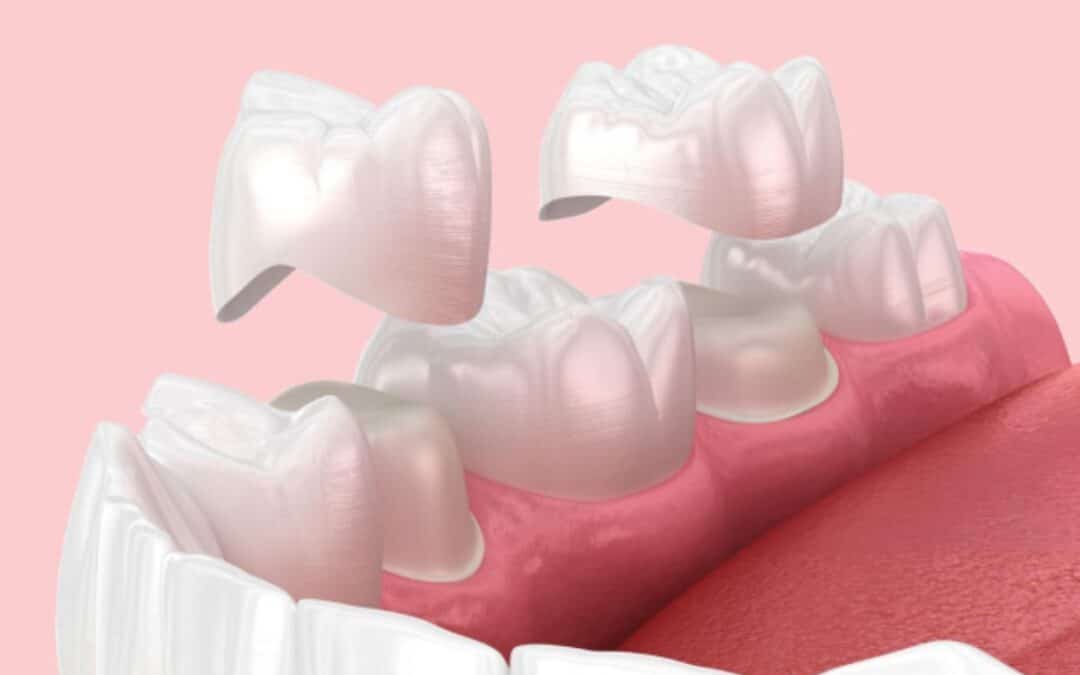
Dental crowns serve as crucial restorative solutions. They are designed not only to enhance the appearance of your smile but also to help restore function and protect weakened teeth. Whether you need coverage after doing a root canal or need to repair a damaged tooth, this dental prosthetic gives the required strength and durability required for long-term results. With so many material options available, each offering distinct benefits and limitations, choosing the best choice for the needs requires careful consideration.
Understanding the durability of different types of tooth caps is vital to making an informed decision. Let’s dive into what makes each option of dental crowns in Whitehouse unique and how long they’ll last in your mouth.
Types of Dental Crown Materials
Metal Material
If longevity and durability are your priority, metal dental caps are a fantastic option. Made from gold, platinum, or other alloys, they are strong and resistant to wear. While not the most aesthetic choice, these crowns are ideal for back teeth, where function is more important than appearance.
Porcelain-Fused-to-Metal Material
Porcelain-fused-to-metal (PFM) crowns combine a strong metal core with an outer layer of porcelain. This blend of strength and aesthetics makes them popular for front and back teeth. The porcelain looks natural and mimics the appearance of your real teeth, while the metal provides the durability needed to withstand the daily wear and tear of biting and chewing.
Ceramic Material
Ceramic dental crowns in Whitehouse are an excellent choice if you’re looking for a crown that closely resembles your natural teeth. They are entirely made from ceramic, offering a highly aesthetic solution for front teeth. This material is durable, biocompatible, and an excellent option for those sensitive to metals.
Composite Resin Material
Composite crowns are an affordable alternative to porcelain or metal counterparts. They are made of a tooth-colored material that can be efficiently designed to match the contours of your natural tooth. While these materials blend seamlessly with your smile, composite resin crowns are less durable than other options.
Durability of Each Crown Material
Metal
Metal crowns lead the pack in durability. They are built to last 10 to 15 years or more with proper care. Their resistance to wear, cracking, and staining makes them perfect for areas that undergo heavy grinding, like the molars. While they may not be the first choice for visible teeth, their longevity makes them a reliable option for long-term dental restoration.
Porcelain-Fused-to-Metal
PFM crowns offer an outstanding balance of strength and aesthetics. They last longer depending on factors like oral hygiene and damage percentage. The metal core provides excellent stability, while the porcelain can be prone to chipping or wearing down over time, especially in patients who grind their teeth or have a misaligned bite. Still, PFM options are versatile and durable for many patients.
Ceramic
Ceramic crowns offer an attractive alternative for those seeking a more natural-looking solution, especially for front teeth. They’re durable, typically lasting 10 to 15 years with proper care, though they are not as resistant to damage from biting hard foods or grinding as metal crowns. If you’re looking for a crown that blends seamlessly with your smile, the ceramic dental caps are an excellent choice, but be mindful of potential chipping.
Composite Resin
Composite resin crowns are typically the least durable option, lasting 5 to 7 years on average. While they can look great initially, they are more prone to staining, wear, and fracturing. These tooth caps are best suited for temporary restorations or areas of the mouth that don’t experience much biting pressure. They’re a cost-effective option but may require more frequent replacement.
Factors Influencing the Longevity of Dental Crowns
The lifespan of your dental crown is not only determined by the material but also by several external factors. Here’s what affects the durability:
- Oral Hygiene: The better care you take of your oral health, the longer your crown will last. Neglecting to brush and floss properly can lead to plaque buildup, decay around the edges of the crown, and the need for early replacement.
- Bite Alignment: Faulty teeth cause uneven pressure on dental appliances, causing them to wear out or even break much earlier than necessary. Ensuring your bite is aligned correctly can significantly increase the lifespan of your crown.
- Grinding and Clenching: Habitual teeth grinding or clenching can severely damage your crown, especially if made from ceramic or composite resin. If this is an issue for you, talk to your dentist about wearing a night guard to protect your crown.
- Dietary Habits: Eating hard or sticky foods can damage specific teeth coverings. For example, ceramic crowns can chip under heavy pressure, and composite resin may wear down faster with constant exposure to staining substances like coffee or tobacco.
What to Expect if You Ignore Crown Care
Failing to maintain your crowns properly can lead to a variety of problems, such as:
- Decay and Gum Disease: Without regular brushing and flossing, decay can develop around the edges of the crown, leading to the need for a replacement.
- Crown Damage: Teeth grinding, poor oral hygiene, and eating hard foods can all damage the crown, causing cracks, chips, or complete breakage.
- Gum Inflammation: Poor care can lead to inflammation of the gums surrounding the crown, which can affect the fit and cause discomfort.
- Frequent Replacements: With proper maintenance, you may be able to replace your crown much sooner than expected, leading to additional costs and time spent at the dentist.
Choosing the suitable dental crown material is crucial for your restoration’s appearance and durability. Whether you opt for a long-lasting metal crown or a more aesthetic ceramic solution, understanding the strengths and limitations of each material will help you make the best decision for your needs. Maintaining good oral hygiene, protecting your crown from excessive pressure, and visiting your dentist as prescribed ensure that your dental crowns in Whitehouse stay strong for many years.
For those considering dental crowns, trust 110 Dental & Orthodontics of Whitehouse, TX, to guide you in selecting the best option for your smile. Contact us today to schedule your consultation and experience the best dental care.

by 110 Dental & Orthodontics | Nov 4, 2024 | Invisalign
With Invisalign or Invisalign Teen, teeth can be straightened discreetly. However, the clear material can quickly show stains or odors if not properly cleaned. Keeping Invisalign aligners clean is essential for a healthy, confident smile. Regular maintenance of aligners helps avoid bacteria buildup and keeps them transparent. Here’s a simple guide for teenagers to keep their Invisalign aligners clean and fresh every day.
Why is Invisalign Teen So Popular?
Invisalign aligners have become popular among teens because they are nearly invisible and easy to wear. Unlike traditional braces, these clear aligners don’t have wires or brackets, making them more comfortable and less noticeable. Invisalign aligner system also allows teens to eat their favorite foods without restriction, as they are removed before meals. However, because they’re removable, it’s up to each teen to keep their aligners well-maintained.
The Importance of Clean Aligners
Wearing aligners all day means they’re exposed to saliva, bacteria, and food particles. Without regular cleaning, Invisalign aligner trays can develop a cloudy appearance or unpleasant smell. Dirty aligners also increase the risk of plaque buildup on teeth, which can lead to cavities or gum problems. For the best results, Invisalign aligners should stay as clear and odor-free as possible.
By cleaning aligners daily, teens can keep their Invisalign treatment on track and maintain a bright smile.
Tips for Cleaning Invisalign Aligners
Here are the best practices recommended by orthodontists of 110 Dental & Orthodontics for keeping Invisalign aligners in Whitehouse clean and free of stains.
1. Rinse Aligners Every Time You Remove Them
Rinsing aligners with lukewarm water each time you take them out removes surface debris. Avoid hot water, as it can warp the plastic. A quick rinse also keeps dried saliva from sticking to the aligners, making them easier to clean later.
2. Brush Your Teeth Before Putting Aligners Back In
Before putting aligners back in, it’s essential to brush and floss. This helps remove food particles that could get trapped between the aligners and teeth, which can lead to staining or plaque buildup. Brushing beforehand also ensures that the aligners stay clearer.
3. Clean the Aligners with a Soft Toothbrush
Use a soft toothbrush and mild, non-abrasive toothpaste to clean your aligners gently. Harsh toothpaste or rough brushes can scratch the aligners, making them less transparent. Brush them carefully each night to remove buildup, focusing on any spots that look cloudy.
4. Soak Aligners in an Invisalign Cleaning Solution
Invisalign offers specialized cleaning crystals that remove bacteria and stains effectively. Simply soak the aligners in the solution according to the instructions. Soaking aligners keeps them fresh, clear, and odor-free. If the official solution isn’t available, other aligner-safe cleaning solutions work as substitutes.
5. Use a Gentle Antibacterial Soap for Extra Cleanliness
For a deeper clean, teens can use clear, unscented antibacterial soap on their aligners. This soap helps remove bacteria without scratching or discoloring the material. Just lather a small amount in your hands and rub it on the aligners, then rinse thoroughly to remove residues.
6. Avoid Colored or Scented Soaps
Colored or scented soaps can stain aligners or leave behind an unpleasant taste. When choosing a soap, make sure it’s clear and free of dyes. This simple step keeps aligners looking and tasting fresh without any lingering smells.
7. Skip Mouthwash Soaks
Although mouthwash might seem like a quick cleaning solution, it’s not suitable for Invisalign aligners. Most mouthwashes contain dyes and alcohol, which can discolor or damage the aligner material. Stick to mild cleaning solutions specifically designed for clear aligners.
8. Keep Aligners in a Protective Case When Not Worn
When aligners aren’t in use, keep them in a protective case to prevent exposure to germs or accidental damage. Leaving aligners out on tables or in bags exposes them to bacteria and increases the risk of losing them. With a protective case, teenagers can keep aligners safe and hygienic.
9. Brush Regularly and Drink Water Throughout the Day
Brushing after meals and drinking water helps reduce bacteria in the mouth, supporting aligner cleanliness. Water is especially helpful, as it rinses away food particles without adding sugar or dyes. Plus, staying hydrated benefits both oral health and overall well-being.
Keeping Invisalign clean is crucial for oral health and for making the most of the treatment. Clean aligners look better, feel fresher, and reduce the risk of cavities or gum issues. By following these easy tips, teens can keep their aligner trays sparkling and enjoy a smooth, successful orthodontic experience.Are you or your teen seeking a comfortable and stylish teeth straightening solution? Visit our orthodontic clinic, 110 Dental & Orthodontics, where we offer custom-made Invisalign in Whitehouse, TX.
by 110 Dental & Orthodontics | Oct 28, 2024 | Braces
Getting braces is an exciting step toward achieving a straight, beautiful smile. However, one common concern many people have before beginning orthodontic treatment is whether braces hurt. While braces can cause some discomfort, especially in the first few days after they’re placed or adjusted, the pain is generally manageable. In this blog, we’ll explore what kind of pain you can expect with braces and provide effective tips for managing discomfort throughout your orthodontic journey.
Do Braces Hurt?
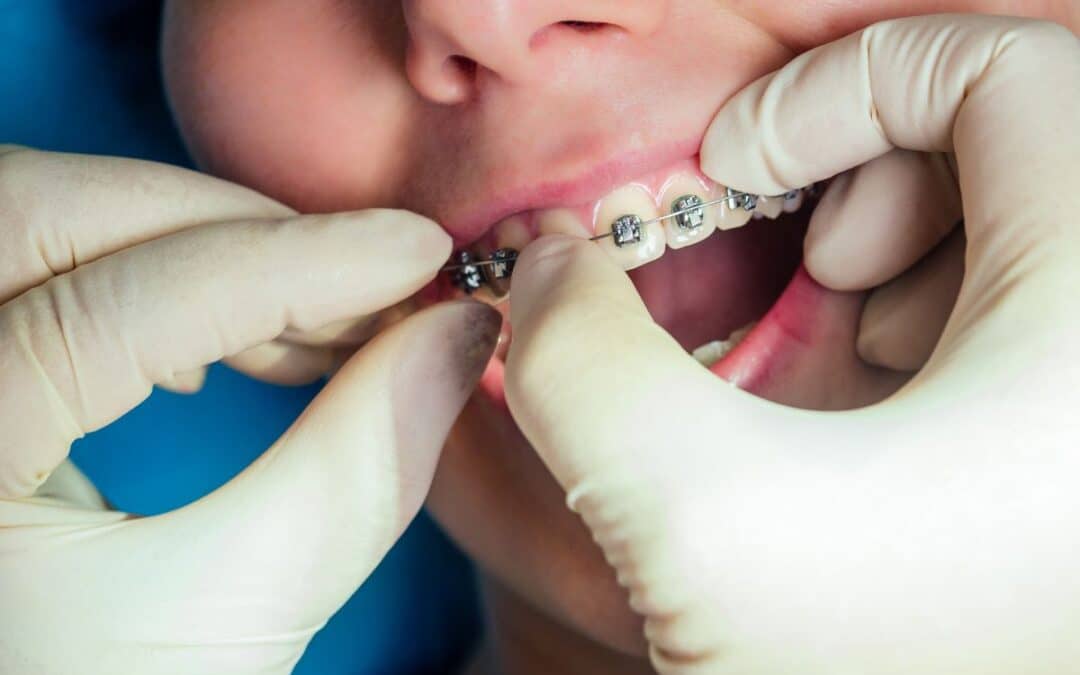
The short answer is: Yes, braces can cause some discomfort, but the pain is usually mild and temporary. When braces are first applied or adjusted, they work by gradually shifting your teeth into their correct positions. This movement puts pressure on your teeth and jaw, leading to soreness or sensitivity.
The good news is that the discomfort associated with braces is generally most noticeable right after they are placed or tightened, and it tends to subside within a few days. Your mouth may feel sore as your teeth start adjusting to the pressure, and your cheeks, lips, and tongue may also experience some irritation as they get used to the brackets and wires.
Types of Discomfort with Braces
Here are some common types of discomfort you might experience with braces:
- Sore Teeth: After your braces are tightened or when they are first put on, your teeth may feel sore for a few days. This is because the braces are applying pressure to move your teeth.
- Irritated Gums and Cheeks: The brackets and wires can rub against the soft tissues in your mouth, causing irritation. You might notice small sores or feel some tenderness, especially in the first few weeks.
- Jaw Pain: In some cases, the realignment of your teeth can cause mild jaw pain, particularly if you are using elastics or other orthodontic appliances to adjust your bite.
- Tightness or Pressure: The feeling of tightness or pressure after an adjustment is common as your teeth respond to the new force exerted by the braces.
How Long Does the Pain Last?
The discomfort associated with braces is usually most intense during the first few days after they are placed or adjusted. Typically, the soreness will begin to lessen within three to five days. After about a week, most patients find that their pain has diminished significantly or disappeared altogether. Over time, as your mouth becomes accustomed to the braces, you will likely experience less discomfort after adjustments.
Tips for Managing Pain and Discomfort
If you’re experiencing pain or discomfort from your braces, don’t worry—there are several effective ways to alleviate it. Here are some practical tips for managing the discomfort that comes with orthodontic treatment:
1. Over-the-Counter Pain Relievers
One of the easiest ways to manage the pain from braces is to take over-the-counter pain relievers like ibuprofen (Advil) or acetaminophen (Tylenol). These medications can help reduce inflammation and relieve soreness. Be sure to follow the recommended dosage instructions and consult your orthodontist if you have any concerns.
2. Orthodontic Wax
Orthodontic wax is a great tool for minimizing irritation caused by the brackets and wires. If you notice that the metal is rubbing against the inside of your cheeks or lips, apply a small amount of orthodontic wax to the area to create a barrier. This will reduce friction and help prevent sores or discomfort.
3. Use a Saltwater Rinse
A warm saltwater rinse can help soothe irritated gums and soft tissues. Mix about half a teaspoon of salt into a glass of warm water, swish it around your mouth for 30 seconds, and then spit it out. Doing this a few times a day can promote healing and reduce inflammation.
4. Stick to Soft Foods
In the days following an adjustment or when you first get your braces, eating soft foods can help minimize discomfort. Stick to foods like mashed potatoes, yogurt, soups, scrambled eggs, and smoothies, which are easy to chew and won’t put extra pressure on your sore teeth.
5. Cold Compress
If you’re experiencing jaw pain or soreness in your gums, applying a cold compress to the outside of your face can help. The cold will reduce inflammation and numb the area, providing relief from the discomfort.
When to Contact Your Orthodontist
While some discomfort is normal with braces, there are times when you should contact your orthodontist. If you experience severe pain, a broken bracket or wire, or sores that don’t heal, it’s essential to reach out to your orthodontist for advice and possible adjustments.
Although braces can cause some pain and discomfort, it is usually mild, temporary, and manageable with proper care. By following the tips outlined above, you can reduce discomfort and ensure a smoother orthodontic experience. With time, your mouth will adjust to the braces, and you’ll be on your way to achieving a beautiful, straight smile!
