
by 110 Dental & Orthodontics | Jan 7, 2025 | Invisalign
A bright smile elevates your public appearance and also uplifts your face aesthetics. It reflects your personality, but it is greatly affected by misaligned teeth. When your teeth are not structured properly, it leads to bite issues. However, with medical advances, Invisalign can fix this issue seamlessly. These are transparent aligners that clip to your tooth, addressing bite concerns. With overtime use, it shifts the teeth back to their place, forming an aligned smile.
But how do they work?
This blog highlights the usage of Invisalign and its functionality in improving bite and smile issues.
What Are Bite Issues?
When the upper and lower teeth do not line up correctly after closing your mouth, it can lead to bite problems. They are known as malocclusions. Several issues, including jaw pain, uneven tooth wear, difficulty in chewing, and even trouble speaking, can result from these misalignments.
To treat such dental issues, an innovative orthodontic treatment called Invisalign comes to the rescue. This treatment can successfully treat bite problems. Unlike traditional braces, Invisalign is a clear aligner that is visually invisible when worn. It makes minor adjustments by gradually moving teeth into their correct places without your notice.
However, multiple factors can be the reason for a non-aligned tooth, and they significantly provide space for bite problems. They are as follows:
- Overbite: It is a dental condition where the upper teeth collide with the lower teeth, causing excessive wear and tear.
- Underbite: Underbite happens when the lower teeth grow beyond the upper teeth, leading to risky jaw problems and chewing difficulties
- Crossbite: If your upper and lower teeth do not meet accurately, it leads to a crossbite. This can put unnecessary pressure on the jaw structure, resulting in tooth damage.
- Openbite: This happens when the back teeth come together, whereas the upper and lower teeth do not meet, leaving a vertical gap. It majorly impacts your tooth’s functionality in the long run.
- Overcrowding: Your jaws sometimes lack space, resulting in the teeth overlapping, which causes overcrowding and raises difficulty in chewing.
How Can An Invisalign Treatment Help?
Invisalign aligners in Whitehouse are an advanced dental treatment that offers a comfortable, noninvasive way to fix alignment and bite issues. These custom-made aligners with removal trays work effectively with controlled and consistent pressure so your teeth can return to their position over time. Below is a detailed breakdown of their mechanism:
During the consultation, an orthodontist will examine your teeth, bite, and overall oral health. If the results are satisfactory, you will be guided through the treatment plan.
Following your consultation with a professional local dentist, 3D technology is used to produce unique aligners that precisely fit your teeth. Each pair of these transparent, detachable aligners is worn for roughly two weeks, gradually moving your teeth into position. Moreover, the process is very comfortable, allowing you to enjoy your daily oral routine while working towards your ideal smile.
-
Completion Of The Treatment
The treatment tenure varies depending on the severity of the cases. Usually, it is a long process, taking 6 to 2 years to achieve that perfectly aligned tooth structure. Post-completion, a dentist might suggest wearing a retainer to sustain the results.
Getting Invisalign treatments from a dentist in Whitehouse offers a safe and efficient way to procure a straightened smile by curing your bite issues permanently.
They are one of the most convenient dental procedures and have become a popular choice for individuals. If you also face bite issues, now is the right time to talk to a professional dentist to learn if you are the right candidate for getting Invisalign and how it can serve your needs.
by 110 Dental & Orthodontics | Dec 26, 2024 | Cosmetic Dentistry, Teeth Whitening
Your diet directly impacts the brilliance of your smile. While regular dental care maintains oral health, the foods you consume can either enhance or diminish the appearance of your enamel—the hard outer surface of your teeth. Understanding which foods promote brightness and which lead to discoloration is essential for preserving that radiant smile.
110 Dental & Orthodontics is committed to educating patients about healthy dental habits. In this blog, we will explore the intricate relationship between nutrition and enamel appearance, discussing what to avoid and what to embrace for a naturally bright smile.
Foods That Cause Stains: What to Limit or Avoid
Certain consumables contain chromogens, tannins, and acids—compounds notorious for staining enamel and weakening its natural structure. Here are recommendations from a reliable cosmetic dentist in Whitehouse:
Pigmented Beverages
Dark liquids like coffee, tea, red wine, and colas contain staining agents that bind to enamel. These drinks also have acidic properties, weakening enamel and making it more susceptible to stains.
Pro Tip: Opt for a straw to limit contact between the liquid and your enamel. Rinse with water afterward to neutralize acids.
Brightly Colored Foods
Tomato-based sauces, berries (like blueberries and blackberries), curry, and soy sauce are high in deeply pigmented molecules. These compounds embed themselves into enamel pores, causing discoloration over time.
Quick Fix: Pair these foods with crunchy vegetables like carrots or celery, which can act as natural scrubbers.
Sugary and Acidic Snacks
Candies, citrus fruits, and sour candies combine sugars and acids that erode enamel, increasing staining potential. Frequent consumption exacerbates enamel erosion, creating an uneven surface prone to discoloration.
Better Choice: Swap sugary treats with fresh fruits like apples that promote saliva flow and clean your enamel naturally.
Foods That Promote Teeth Whitening
While some foods discolor, others contribute to the natural cleansing and strengthening of enamel. These options promote oral health and enhance the results of teeth whitening in Whitehouse.
Fibrous Fruits and Vegetables
Crunchy fruits like apples and pears, along with raw vegetables like celery and carrots, naturally scrub your enamel as you chew. Their fibrous texture removes surface debris and promotes saliva production, which helps wash away staining particles.
Dairy Products
Calcium and phosphates are abundant in milk, cheese, and yogurt. These minerals strengthen enamel by replenishing lost nutrients, creating a smoother surface that resists stains.
Pro Tip: Aged cheeses, in particular, stimulate saliva and deliver maximum enamel protection.
Hydration Heroes
Water is vital for oral health. Drinking water throughout the day rinses away staining particles and hydrates tissues. Additionally, water enriched with fluoride can help rebuild enamel strength.
Bonus: Green tea, rich in catechins, also offers enamel-protective properties when consumed in moderation.
The Role of Balanced Nutrition in Oral Health
Beyond individual foods, maintaining a balanced diet supports overall oral hygiene. Vitamins A, C, and D—found in leafy greens, citrus fruits, and fatty fish—contribute to gum health and enamel resilience. Omega-3 fatty acids, present in salmon and walnuts, reduce inflammation in the gums, further protecting your smile.
Consider limiting processed foods and sugary beverages, as they increase plaque build-up and acid attacks. Prioritize whole, nutrient-rich meals that encourage long-term oral wellness.
Tips for Maintaining Enamel Brightness
Even with a balanced diet, your enamel requires consistent care. Here are actionable steps to enhance your smile:
- Rinse After Meals: Swish with water or an alcohol-free mouthwash to remove food particles and neutralize acids.
- Schedule Professional Cleanings: Regular dental cleanings remove deep-set stains and tartar that cannot be addressed at home.
- Practice Proper Brushing: Use a soft-bristled brush and ADA-approved toothpaste to avoid damaging enamel.
- Avoid Smoking and Tobacco Products: These are leading causes of discoloration and oral health issues.
Incorporating enamel-friendly foods and limiting staining culprits can dramatically improve your smile’s appearance. For a customized consultation, get in touch with us right now if you’re prepared to move forward. By understanding the interplay between nutrition and oral health, you can enjoy a brighter, healthier smile that lasts a lifetime. Small changes to your diet and lifestyle can make a significant difference, and our team is here to help every step of the way. Want more personalized care to keep your radiant, bright smile in top form? Contact us to schedule an appointment today!
by 110 Dental & Orthodontics | Dec 19, 2024 | Dental Implants
Many individuals suffer from Temporomandibular Joint (TMJ) disorder, which causes pain, discomfort, and difficulties in jaw movement. Jaw pain syndrome symptoms often include headaches, jaw tenderness, and restricted mouth opening. Though several treatment methods exist, dental implants are an emerging solution for alleviating jaw pain symptoms.
This blog explores how dental implants can be pivotal in relieving jaw pain and discomfort and addressing tooth loss and bite alignment issues. Understanding this connection is crucial for individuals seeking effective solutions for their TMJ-related challenges.
Understanding the Temporomandibular Joint (TMJ) and Its Function
The temporomandibular joint (TMJ) connects the lower jaw (mandible) to the skull, enabling essential functions like chewing, speaking, and swallowing. TMJ dysfunction occurs when the joint becomes misaligned, inflamed, or damaged. The causes of temporomandibular joint disorder include trauma, teeth grinding, arthritis, or dental misalignment. Common symptoms include jaw pain, muscle stiffness, and sounds like clicking or popping when moving the jaw.
How Missing Teeth Affect Jaw joint dysfunction Symptoms
One significant contributor to TMJ issues is missing teeth. Gaps in the smile can disrupt bite alignment, leading to an unbalanced bite. This misalignment can cause the jaw to shift into abnormal positions, putting undue stress on the temporomandibular joint and surrounding muscles. Over time, this strain may develop or worsen jaw joint dysfunction symptoms, including pain and muscle tenderness.
Traditional solutions such as dentures or bridges help fill the gaps but may not fully address the root cause of TMJ discomfort. In contrast, replacing lost teeth with implants restores normal bite function, which can help alleviate the strain on the jaw joint.
Implant Dentistry in Whitehouse: How It Helps Relieve TMJ Symptoms
Implant Dentistry in Whitehouse provides an advanced treatment option for patients suffering from temporomandibular joint symptoms due to tooth loss. Implants involve surgically placing titanium posts into the jawbone, offering a stable and permanent replacement for missing teeth. Unlike dentures, implants integrate with the bone and restore the natural function of the teeth, reducing strain on the jaw joint.
Replacing missing teeth with implants helps restore proper bite alignment, ensuring that forces during chewing are distributed evenly across the jaw. This alignment can reduce the stress on the temporomandibular joint and surrounding muscles, significantly relieving pain in patients suffering from jaw joint dysfunction. By restoring bite function, implants help prevent further irritation and discomfort in the jaw joint.
Biomechanics of Implants in TMJ Relief
The structural design of dental implants replicates natural teeth, ensuring they function as efficiently as real teeth. The process of osseointegration, where the titanium implant fuses with the jawbone, provides a solid foundation for the replacement tooth. This integration restores natural bite function and evenly distributes chewing forces, minimizing mechanical stress on the temporomandibular joint.
When missing teeth are replaced with implants, normal bite alignment is restored. This reduces the strain on the jaw joint, preventing the symptoms from worsening. Unlike dentures, which can move during chewing, implants stay securely in place, ensuring that the jaw is supported properly and reducing the risk of irritation to the TMJ. Consult a dentist in Whitehouse, TX, who will explain how to relieve jaw pain with implants.
Consulting a Professional for Jaw Joint Dysfunction Relief
It is essential to consult a dental professional before opting for implants, mainly when symptoms are present. A thorough evaluation, including jaw function analysis and imaging, will help determine whether implants are a suitable solution. A skilled orthodontist or oral surgeon can design a personalized treatment plan to restore lost teeth and manage TMJ-related discomfort.
Replacing teeth with implants often relieves patients whose temporomandibular joint symptoms are linked to missing teeth. A comprehensive consultation will ensure that the treatment plan effectively targets tooth loss and jaw misalignment.
The link between dental implants and temporomandibular joint symptom relief emphasizes addressing tooth loss and bite misalignment when managing temporomandibular joint disorders. Dental implants restore missing teeth and help realign the bite, reducing stress on the Jaw pain syndrome and alleviating discomfort. Individuals with TMJ symptoms can explore the benefits of implant-based treatments by consulting with professionals at 110 Dental & Orthodontics in Whitehouse, TX.
If you are suffering from TMJ pain and wonder if implants are the right solution for you, Schedule an Appointment at 110 Dental & Orthodontics of Whitehouse, TX. Our dedicated team is committed to providing comprehensive care and personalized solutions for your oral health.

by 110 Dental & Orthodontics | Dec 12, 2024 | Orthodontics, Braces
The holiday season brings delightful treats and festive fun, but it can also challenge your oral care routine. Maintaining your orthodontic appliances during Christmas is crucial for effective treatment and a beautiful smile. If you are willing to know how to keep your braces while enjoying this festive season, this blog will be your most needed guideline. Here, we will discuss how orthodontic care ensures long-term dental health and share practical tips for keeping your fixed oral appliances in great shape this holiday season.
The Issues Dental Braces Keep Away
Orthodontic treatment does more than align teeth; it prevents complex dental complications that could arise from misalignment or crowding. Here are some of the oral problems that this teeth straightening procedure can treat:
- Malocclusion: Crooked teeth increase the risk of gum disease and tooth decay by trapping food particles. Proper alignment reduces these risks.
- Jaw Stress: Misaligned teeth strain jaw joints, leading to conditions like temporomandibular joint (TMJ) disorders. These oral appliances realign your bite to alleviate stress.
- Speech Difficulties: Malalignment can affect speech clarity. The traditional teeth aligners help improve speech by creating a balanced oral structure.
- Chewing Problems: Misaligned bites hinder efficient chewing, causing digestive issues. Straightened teeth enable proper food breakdown.
Orthodontic appliances correct these issues over time, promoting oral health and function. Ensuring their upkeep during festivities is essential to achieve optimal results.
Tips to Keep Your Braces Jolly This Christmas
Celebrations often tempt us with sticky sweets and tough treats. Follow these steps to safeguard your orthodontic treatment this Christmas:
Choose Oral-Friendly Festive Foods
Holiday tables often include hard candies, sticky caramel, or crunchy nuts, which can damage fixed oral appliances. Opt for softer options like mashed potatoes, turkey, or tender veggies. Avoid chewing on candy canes or biting into whole apples to make sure your braces in Whitehouse are in perfect shape.
Maintain Strict Oral Hygiene
Sugary treats can lead to plaque buildup, especially around brackets and wires. Brush after meals using fluoride toothpaste and an orthodontic toothbrush. Flossing daily is vital—use floss threaders or water flossers to clean hard-to-reach areas.
Wear Orthodontic Wax for Comfort
Bracket irritation may increase during this season’s frequent dining events. Orthodontic wax protects your inner cheeks and lips from discomfort. Carry it with you to ensure quick relief when needed.
Steer Clear of Fizzy Beverages
Acidic and sugary drinks, such as sodas and punches, weaken enamel and increase cavity risks. Stick to water or festive non-alcoholic options like sparkling apple cider in moderation.
Be Prepared for Emergencies
Accidents can happen even with the best care. If wires snap or brackets loosen, contact your orthodontist in Whitehouse immediately. Keep an emergency repair kit handy with wax, tweezers, and orthodontic pliers for temporary fixes.
Stick to Scheduled Appointments
December can be hectic, but keeping up with the checkups is essential. Visit 110 Dental & Orthodontics for adjustments and assessments to ensure your treatment progresses smoothly.
Use Your Aligners Consistently
If using removable aligners, wear them as directed, even during holiday meals or parties. If wear time is skipped, progress may be delayed.
Protect Your Appliances During Activities
Playing winter sports? Wear a custom mouthguard over your fixed oral appliance to shield it from impacts during games.
Monitor Your Oral Health
Holidays often distract from dental health. Inspect your appliances daily for loose brackets or bent wires. Address minor issues promptly to avoid treatment delays.
Communicate with Your Orthodontist
Reach out to your orthodontist for advice on managing any festive indulgences safely. Local practices like those offering orthodontic services near your location are familiar with your community’s needs and traditions.
Keeping your teeth aligners in top condition during the festive season ensures successful orthodontic treatment outcomes. By maintaining a diligent care routine and avoiding potential hazards, you’ll keep your smile healthy and bright all year long. Ready to prioritize your oral health this Christmas? Contact 110 Dental & Orthodontics today and request an appointment to stay on track with your treatment goals.
by 110 Dental & Orthodontics | Dec 4, 2024 | Braces, Invisalign
Effective orthodontic care is essential for a straighter, healthier smile. When considering teeth straightening, two leading options are available in Texas: traditional metal braces and innovative Invisalign aligners. Both methods are highly effective in aligning teeth, but the decision between them often depends upon factors like treatment speed, aesthetics, and individual lifestyle needs. As trusted orthodontic professionals, we are committed to helping you choose the solution that offers the best results in the shortest time.
Braces: The Traditional Choice for Teeth Alignment
Braces have been the cornerstone of orthodontic treatment for decades. This classic solution involves metal brackets bonded to teeth and connected with a wire. Over time, adjustments are made to move the teeth into alignment gradually. They are highly effective for correcting dental concerns, from simple alignment to complex bite issues. Consult with an orthodontist in Whitehouse if you want to straighten your teeth.
Advantages-
- Versatility: Braces are highly effective for orthodontic issues, including severe misalignment and bite corrections.
- Precise Control: Orthodontists can exercise more control over the movement of each tooth.
- Proven Results: They have been used for years to treat children and adults with reliable, lasting results.
Invisalign: The Clear Alternative to Traditional Braces
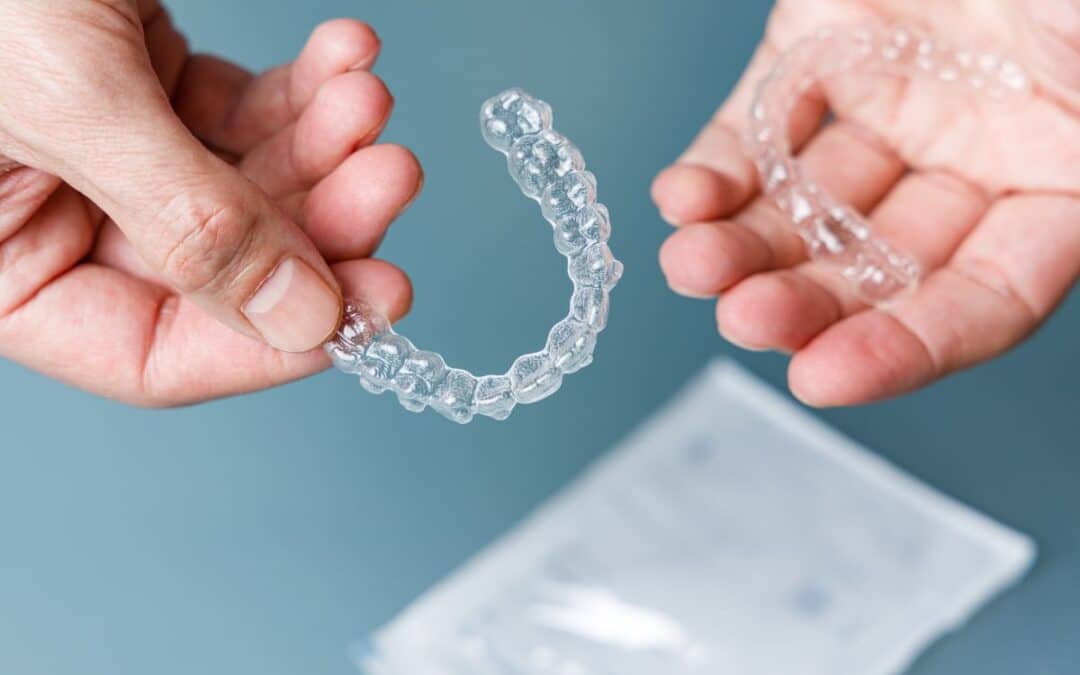
It offers a modern, discreet alternative to braces. Instead of metal brackets and wires, this treatment uses a series of clear, custom-made aligners that fit comfortably over your teeth. These removable aligners make eating, drinking, and maintaining oral hygiene easier. These clear teeth straighteners have quickly gained popularity, especially among adults and teenagers who prefer a less noticeable way to straighten their teeth.
Advantages:
- Aesthetic Appeal: Invisalign in Whitehouse is virtually invisible, making it ideal for those seeking a subtle treatment.
- Comfortable Fit: Made from smooth, clear plastic, transparent aligners cause less irritation to your gums and mouth than traditional metal aligners.
- Convenient: Because they are removable, they allow you to eat and drink without restrictions and maintain easy oral hygiene.
- Fewer Appointments: The invisible aligner requires fewer visits to the orthodontist for adjustments.
Critical Differences Between Braces and Invisalign
Understanding the key differences between these two orthodontic treatments is important in choosing the best treatment for you-
- Appearance: Braces are visible with metal components, while invisible aligners are clear and discreet.
- Comfort: Traditional straighteners can cause discomfort and irritation due to metal wires and brackets, while clear aligners are smooth and gentle.
- Dietary Restrictions: With wired aligners, you may need to avoid certain foods that could damage the wires or brackets. The transparent ones are removable, so you can enjoy all foods without worry.
- Treatment Duration: Treatment times can vary depending on the case’s complexity, but transparent tooth straightener tends to have a shorter overall duration for many patients.
Which Treatment is Faster: Invisalign or Braces?
When considering which treatment is faster, transparent braces often have the edge for those with mild to moderate misalignment. Since it is ideal for cases requiring less complex movements, the treatment time tends to be shorter than the traditional method. However, traditional aligners may be better for more intricate cases involving significant bite correction or severe misalignment, though the treatment time could be longer.
How Much Time Is Needed for Both Treatments?
On average, the duration of treatment is as follows:
- Invisalign Treatment: Typically lasts between 7 to 18 months, depending on the severity of the misalignment and the individual treatment plan.
- Metal Braces Treatment: Generally requires 20 to 24 months, particularly for patients with more complex orthodontic issues.
Factors That Affect Treatment Time
Several factors can influence how long it takes to complete either treatment. These factors include:
- Type of Movement Required: Complex movements, such as rotating or extruding teeth, may extend the length of treatment.
- Following Treatment Instructions: Adhering to your orthodontist’s recommendations, such as wearing Invisible aligners for the recommended hours per day, can help speed up treatment.
- Severity of Misalignment: More severe cases of crowding or bite problems generally require longer treatment times.
- Patient’s Dental Health: Healthy teeth and gums tend to move more efficiently, potentially shortening treatment time.
- Adjustment Appointments: Regular adjustment appointments are essential for braces. Invisalign generally requires fewer in-person visits.
Choosing between the above two orthodontic treatments ultimately depends on your unique situation. While both are highly effective in achieving a beautiful, straight smile, the best choice for you will depend on the severity of your dental concerns, your lifestyle, and how quickly you want to see results. Invisalign often offers a faster and more discreet solution for less complex cases, while metal teeth straighteners provide a comprehensive treatment option for many dental issues.
At 110 Dental & Orthodontics of Whitehouse, TX, our orthodontists specialize in helping patients achieve their ideal smile with customized treatment plans. Whether you choose Invisalign or braces, our team will guide you through every step of the process. If you’re ready to start your journey toward a confident smile, contact us today to schedule an appointment.
