by 110 Dental & Orthodontics | Feb 12, 2025 | Emergency Dental Care
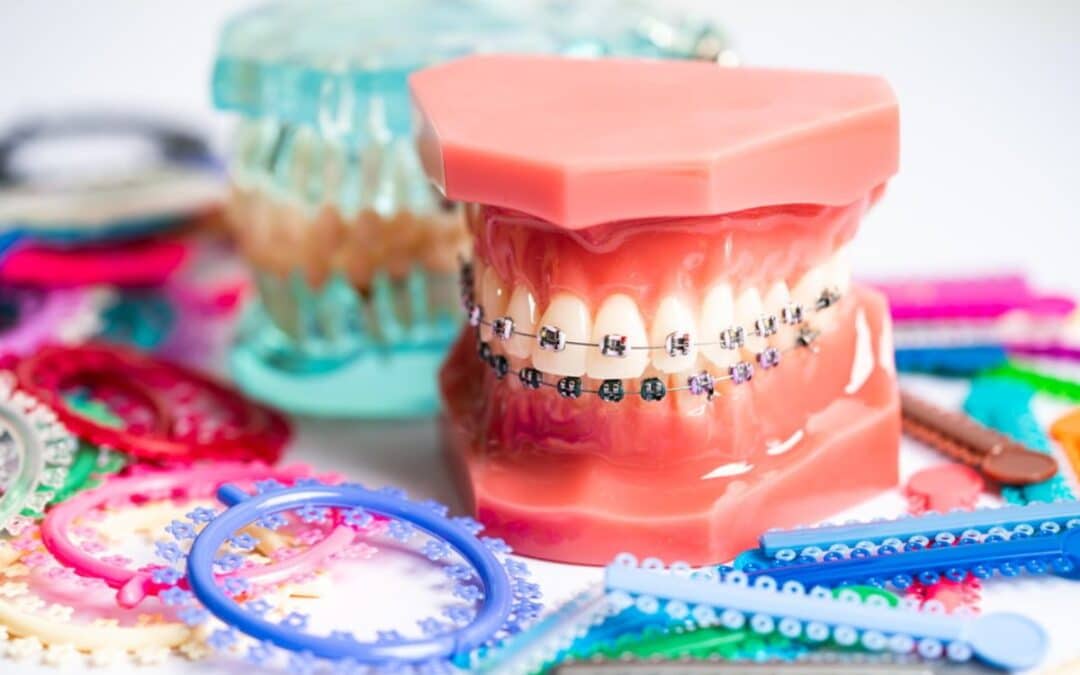
Orthodontic treatment is a journey toward a straighter, healthier smile, but sometimes unexpected issues arise. While minor discomfort is normal with braces or aligners, certain problems require urgent attention. Knowing the symptoms of an orthodontic emergency can help you act quickly and prevent further complications. If you ever find yourself in severe pain or dealing with a broken orthodontic appliance, reaching out to an emergency dentist can make all the difference.
What Is an Orthodontic Emergency?
An orthodontic emergency is any situation involving braces, aligners, or other orthodontic appliances that cause significant pain, difficulty in daily functions, or a risk of injury. While not every issue requires immediate professional intervention, some symptoms should never be ignored.
Common orthodontic emergencies include:
- Severe pain or discomfort that doesn’t go away
- Broken brackets or wires that cause irritation
- Swelling, infection, or abscesses in the mouth
- Difficulty eating, speaking, or breathing due to orthodontic devices
Recognizing the signs of an emergency can help you take quick action to protect your teeth and oral health.
Key Symptoms of an Orthodontic Emergency
1. Severe or Persistent Pain
Mild soreness is normal when wearing braces or aligners, especially after an adjustment. However, if you experience intense pain that doesn’t subside with over-the-counter pain relievers, it could indicate a serious issue. Possible causes include:
- A misaligned appliance putting pressure on teeth and gums
- An infection developing beneath the gums
- A broken wire or bracket causing injury inside the mouth
If the pain is unbearable or lasts more than a couple of days, seeking help from an emergency dentist in Whitehouse is essential.
2. Broken Brackets or Protruding Wires
Brackets and wires are crucial for guiding teeth into alignment. If a bracket becomes loose or completely detaches, it can delay treatment and cause irritation. A broken or protruding wire can also lead to painful cuts or sores inside the mouth. While orthodontic wax can provide temporary relief, professional repair is necessary as soon as possible.
3. Swelling, Infections, or Abscesses
Swelling, pus, or a persistent fever can indicate a serious infection, which should never be ignored. Common causes include:
- Food trapped around braces leads to bacterial buildup
- A damaged appliance causing irritation and infection
- A pre-existing dental issue that worsens due to orthodontic treatment
If you notice signs of infection, it’s important to see a dentist immediately to prevent further complications.
4. Difficulty Eating, Speaking, or Breathing
Orthodontic appliances should never interfere with essential functions like eating, speaking, or breathing. If you find it difficult to chew food, close your mouth properly, or breathe comfortably, you may be dealing with an improperly fitted appliance. This requires urgent evaluation by an orthodontist to prevent further issues.
5. Sores or Ulcers That Won’t Heal
Braces can sometimes cause minor sores inside the mouth. However, if you develop large, painful ulcers that don’t heal within two weeks, this could be a sign of excessive friction from the appliance or an allergic reaction. If the discomfort persists, it’s best to consult a professional.
What to Do in an Orthodontic Emergency
If you suspect an orthodontic emergency, follow these steps to minimize discomfort and prevent further damage:
- Assess the severity: If you’re experiencing extreme pain, bleeding, or breathing issues, seek emergency dental care immediately.
- Use orthodontic wax: If a bracket or wire is irritating your mouth, covering it with wax can provide temporary relief.
- Take pain relievers: Over-the-counter medications like ibuprofen can help manage pain while you wait for professional care.
- Rinse with salt water: This can help reduce swelling and prevent infection if there’s an open wound in your mouth.
- Call your orthodontist: If the issue isn’t life-threatening but still concerning, schedule an appointment as soon as possible.
Conclusion
While orthodontic treatment is designed to improve your smile, emergencies can happen. Severe pain, broken appliances, infections, or difficulty eating and breathing are signs that require immediate attention. If you experience any of these symptoms, don’t hesitate to seek professional help. Consulting an orthodontist in Whitehouse can ensure your treatment stays on track while keeping your oral health in check. Remember, taking quick action in an orthodontic emergency can prevent long-term complications and help you maintain a healthy, confident smile.

by 110 Dental & Orthodontics | Feb 5, 2025 | Uncategorized
Valentine’s Day is all about love, confidence, and making a lasting impression. Whether you’re planning a romantic dinner, a special outing, or simply celebrating self-love, your smile plays a crucial role in how you feel and present yourself. A bright, white smile can boost your confidence and leave a memorable impact on those around you. If you’re looking to enhance your smile for this special occasion, here are some effective tips to achieve a dazzling smile just in time for Valentine’s Day.
Maintain a Consistent Oral Hygiene Routine
The foundation of a beautiful smile is good oral hygiene. Brushing and flossing daily are essential for keeping your teeth clean and free from plaque buildup. Use a fluoride toothpaste and a soft-bristled toothbrush to gently clean your teeth and gums. Brushing at least twice a day and flossing once a day can prevent discoloration and maintain the natural brightness of your smile.
Additionally, using an antibacterial mouthwash can help eliminate bacteria that contribute to bad breath and gum disease. A thorough oral hygiene routine will ensure that your teeth stay healthy and bright, setting the stage for other teeth whitening in Whitehouse.
Be Mindful of Your Diet
What you eat and drink can significantly impact the color of your teeth. Certain foods and beverages, such as coffee, tea, red wine, and dark-colored berries, can stain your teeth over time. If you can’t resist your morning coffee or a glass of red wine, consider using a straw to minimize direct contact with your teeth. Rinsing your mouth with water after consuming stain-causing foods can also help reduce discoloration.
Incorporating crunchy fruits and vegetables like apples, carrots, and celery into your diet can naturally clean your teeth by removing surface stains. Additionally, dairy products like cheese and yogurt contain calcium and phosphates that strengthen your enamel and help maintain a bright smile.
Incorporating crunchy fruits and vegetables like apples, carrots, and celery into your diet can naturally clean your teeth by removing surface stains. Additionally, dairy products like cheese and yogurt contain calcium and phosphates that strengthen your enamel and help maintain a bright smile.
Try Natural Whitening Remedies
If you’re looking for simple and natural ways to enhance your smile, consider trying some home remedies. Baking soda is a mild abrasive that can help remove surface stains from teeth. You can mix a small amount of baking soda with water to create a paste and brush your teeth with it once or twice a week.
Hydrogen peroxide is another common ingredient in teeth whitening products. Diluting it with water and using it as a mouth rinse can help reduce stains and kill bacteria in the mouth. However, it’s important to use these remedies in moderation to avoid potential damage to your enamel.
Consider Professional Whitening Treatments
While home remedies can be effective for mild stains, professional teeth whitening treatments offer faster and more dramatic results. If you’re in Whitehouse and looking for expert solutions, many dental clinics provide advanced teeth whitening treatments that can brighten your smile in just one session. Professional whitening treatments use safe and effective bleaching agents to remove deep stains and enhance the overall appearance of your teeth.
Some options include in-office whitening procedures, laser treatments, and take-home whitening kits prescribed by your dentist. Consulting a dental professional will help you determine the best option based on your needs and desired level of whitening.
Schedule a Dental Checkup and Cleaning
A professional dental cleaning can do wonders for your smile. Plaque and tartar buildup can make your teeth appear dull and discolored. Regular dental cleanings help remove these deposits and reveal a cleaner, brighter smile. If it’s been a while since your last dental visit, scheduling a checkup before Valentine’s Day can ensure that your teeth are in top condition.
During your appointment, your dentist can also identify any underlying dental issues that may be affecting the appearance of your teeth, such as cavities, gum disease, or enamel erosion. Addressing these concerns early can prevent further damage and help maintain a healthy, radiant smile.
Enhance Your Smile with Cosmetic Dentistry
If you’re looking for long-term solutions to achieve a flawless smile, cosmetic dentistry offers various treatments to enhance the appearance of your teeth. Veneers, bonding, and crowns are some options that can correct imperfections like discoloration, chips, and gaps.
A Cosmetic Dentist in Whitehouse can assess your smile and recommend the best treatment options to achieve your desired look. Whether you need a simple whitening treatment or a complete smile makeover, cosmetic dentistry can provide lasting results that enhance your confidence and overall appearance.
A bright, beautiful smile is a great way to boost your confidence and make the most of Valentine’s Day. By maintaining good oral hygiene, making mindful dietary choices, trying natural remedies, and considering professional treatments, you can achieve a dazzling smile that leaves a lasting impression. If you’re ready to take your smile to the next level, consulting a cosmetic dentist can help you explore the best options for enhancing your teeth. Celebrate love and confidence this Valentine’s Day with a radiant smile that truly shines!

by 110 Dental & Orthodontics | Jan 28, 2025 | Dental Implants
Dental implants are one of the most effective ways to restore missing teeth, offering durability, functionality, and a natural appearance. However, if you’re considering dental implants in Whitehouse, you may have questions about their potential impact on your sinuses—especially if you’re getting implants in the upper jaw.
While dental implants are generally safe and successful, improper placement or pre-existing conditions can sometimes lead to sinus complications. Let’s explore how dental implants and sinuses are connected, potential risks, and how to ensure a smooth, problem-free procedure.
Understanding the Connection Between Dental Implants and Sinuses
Your maxillary sinuses are air-filled cavities located just above the upper jaw. When teeth in the upper jaw are lost, the bone underneath naturally shrinks due to a lack of stimulation. In some cases, this leaves very little bone to support an implant.
If an implant is placed without enough bone support, it may extend too far into the sinus cavity, potentially causing discomfort, infection, or sinus-related complications. This is why skilled dentists conduct detailed evaluations before recommending dental implants in Whitehouse, ensuring there is sufficient bone density to support the implant. If necessary, a sinus lift procedure can be performed to add bone and create a stable foundation.
Potential Sinus Problems Caused by Dental Implants
While dental implants have a high success rate, there are cases where they can contribute to sinus issues. Here are four potential complications:
1. Sinus Perforation
If an implant is placed too deep, it may puncture the sinus membrane. This can lead to nasal congestion, discomfort, or even chronic sinusitis. In severe cases, surgery may be required to repair the sinus and reposition the implant.
2. Sinus Infections (Sinusitis)
When the sinus lining is disturbed by an improperly placed implant, bacteria may enter, leading to an infection. Symptoms may include headaches, facial pain, post-nasal drip, and nasal congestion. If left untreated, a sinus infection can spread and become more serious.
3. Implant Failure Due to Poor Bone Support
If an implant doesn’t integrate properly with the surrounding bone due to its proximity to the sinus cavity, it may become loose or even fail. This can lead to discomfort and the need for removal or replacement.
4. Persistent Sinus Pressure or Discomfort
Even if an implant does not perforate the sinus, it can still press against it, causing a sensation of pressure or mild discomfort. This issue often resolves as healing progresses, but in some cases, adjustments may be needed.
Preventing Sinus Problems from Dental Implants
While sinus-related issues are uncommon, proper planning can help prevent them. Here are five key steps to minimize risks:
1. Comprehensive Pre-Implant Evaluation
A skilled dentist will use advanced imaging, such as CBCT (cone beam computed tomography) scans, to assess the position of your sinuses, bone density, and implant placement.
2. Sinus Lift Surgery if Necessary
If your upper jawbone is too thin, a sinus lift can help create a solid foundation by adding bone to the area, ensuring implants do not interfere with the sinuses.
3. Choosing an Experienced Implant Specialist
Proper implant placement is key to avoiding sinus complications. Choosing a highly trained and experienced dental professional can significantly reduce risks.
4. Following Post-Surgery Care Instructions
Patients should follow post-operative care guidelines, including avoiding excessive sneezing or nose-blowing, which could put pressure on the sinus area.
5. Monitoring for Early Symptoms
If you experience persistent sinus pressure, nasal congestion, or pain after your procedure, consult your dentist promptly. Early intervention can prevent complications from worsening.
What to Do If You Experience Sinus Problems After a Dental Implant?
If you suspect that a dental implant is causing sinus issues, here’s what you should do:
- Consult your dentist immediately. They will examine the area and take X-rays or a CT scan to determine if the implant is affecting your sinuses.
- Take prescribed medications. If an infection is present, antibiotics or anti-inflammatory medication may be recommended.
- Consider implant repositioning. In severe cases, the implant may need to be adjusted or removed to relieve sinus pressure.
- Undergo sinus repair surgery. If the sinus membrane has been perforated, a specialist may perform a minor surgical procedure to correct the issue.
Are Dental Implants Still a Safe Choice for Upper Jaw Replacements?
Yes! Despite the potential for sinus complications, dental implants remain a highly effective and safe solution for replacing missing teeth in the upper jaw. With proper evaluation, planning, and expert placement, most patients experience successful outcomes without sinus-related issues. Advances in technology, such as 3D imaging and guided implant surgery, have further improved accuracy and safety.
If you’re considering dental implants but have concerns about your sinuses, speaking with a dentist near you can provide clarity and reassurance. A professional assessment will determine if implants are the right solution for you and ensure a smooth, comfortable process.
by 110 Dental & Orthodontics | Jan 21, 2025 | Braces
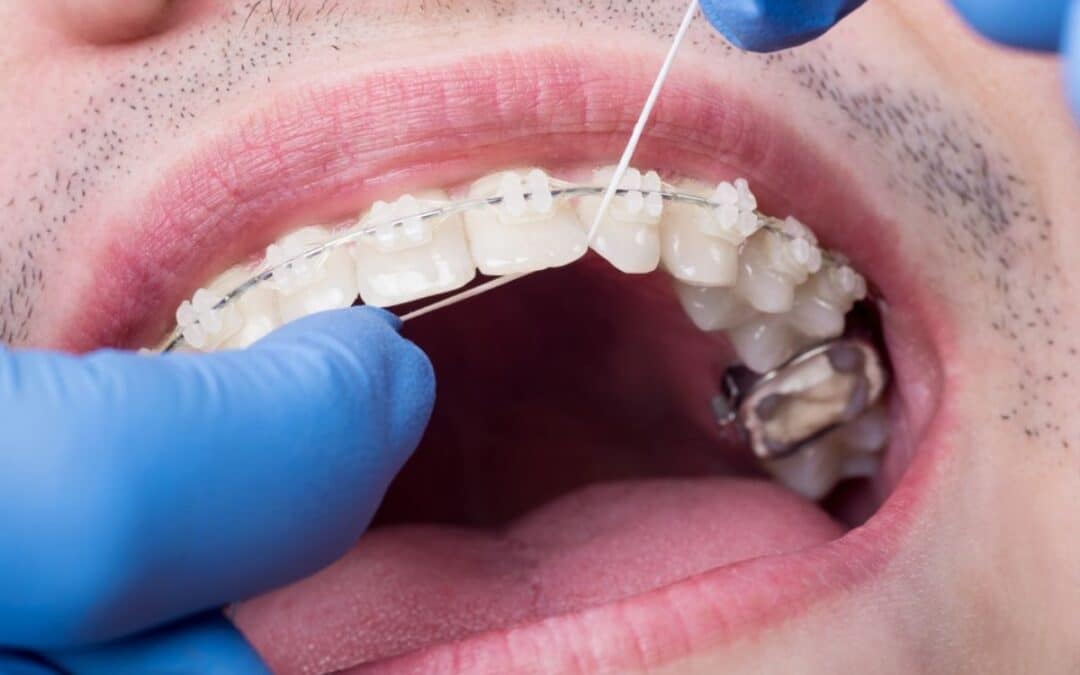
Clear braces are a popular choice for individuals who want a less noticeable option while undergoing orthodontic treatment. These braces blend seamlessly with the natural color of teeth, making them aesthetically pleasing. However, one common concern with Clear braces is staining. Over time, food, drinks, and other factors can cause discoloration, which can detract from their discreet appearance. Fortunately, there are effective ways to remove stains from Clear braces and keep them looking their best.
What Causes Stains on Clear Braces?
Stains on Clear braces often result from:
- Foods and Drinks: Dark-colored beverages like coffee, tea, red wine, and cola are major culprits. Similarly, foods with strong pigments, such as curry, berries, and tomato-based sauces, can contribute to staining.
- Smoking or Tobacco Use: Tobacco products can leave yellow or brown stains on Clear brackets and ligatures.
- Poor Oral Hygiene: Inadequate brushing and flossing can lead to plaque buildup, which can cause discoloration over time.
- Colored Ligatures: The elastic ties (ligatures) that hold the wire to the brackets can absorb stains. Replacing these regularly can help maintain a clean appearance.
If you’re searching for an orthodontist in Whitehouse, they can provide professional advice on maintaining your Clear braces and keeping them stain-free.
How to Remove Stains from Clear Braces?
Here are several effective solutions to tackle stains on Clear braces:
-
Regular Brushing and Flossing
Maintaining good oral hygiene is the first line of defense against stains. Brush your teeth after every meal using a soft-bristled toothbrush and fluoride toothpaste. Pay extra attention to cleaning around the brackets and wires. Flossing daily with orthodontic floss or a floss threader will help remove food particles and plaque from between the teeth.
-
Use an Interdental Brush
An interdental brush is a small, narrow brush designed to clean between teeth and braces. It can reach areas that a regular toothbrush might miss, helping to remove plaque and prevent staining.
-
Avoid Stain-Causing Foods and Drinks
Limiting your consumption of foods and beverages known to cause staining can significantly reduce discoloration. If you do indulge, rinse your mouth with water immediately afterward and brush your teeth as soon as possible.
-
Whitening Toothpaste
Whitening toothpaste can help remove surface stains on teeth and braces. However, be cautious not to overuse whitening products, as they can cause uneven whitening between your teeth and the Clear brackets.
-
Professional Cleaning
Regular visits to your orthodontist in Whitehouse or dentist for professional cleaning are essential. A dental professional can remove stubborn stains and plaque buildup, ensuring your braces stay clean and clear.
-
Replace Ligatures Frequently
As the ligatures around Clear braces are more prone to staining than the brackets themselves, ask your orthodontist to replace them during your regular appointments. Fresh ligatures can make a significant difference in the appearance of your braces.
-
Hydrogen Peroxide Rinse
A diluted hydrogen peroxide rinse can help whiten teeth and remove stains. Mix one part hydrogen peroxide with two parts water, swish it around your mouth for 30 seconds, and then rinse thoroughly with water. Use this solution sparingly and only after consulting your orthodontist.
-
Avoid Smoking
Smoking or using tobacco products not only stains braces but also harms your oral health. Quitting smoking is one of the best ways to keep your braces and teeth looking their best.
Tips for Preventing Stains
Prevention is always better than cure. Here are some tips to keep your clear braces in Whitehouse stain-free:
- Drink Through a Straw: When consuming stain-causing beverages, use a straw to minimize contact with your teeth and braces.
- Rinse Regularly: Rinse your mouth with water after eating or drinking to wash away pigments.
- Chew Sugar-Free Gum: Chewing gum can stimulate saliva production, which helps cleanse the mouth naturally.
- Follow Your Orthodontist’s Advice: Regularly visit your orthodontist and follow their instructions for maintaining your braces.
Finding the Right Orthodontist
If you’re struggling with stained clear braces, consulting an experienced orthodontist is a wise step. They can offer personalized advice and solutions tailored to your specific needs. Additionally, they can provide professional cleaning services and replace stained ligatures, ensuring your braces remain as discreet as possible.
Clear braces are an investment in your smile, and proper care ensures they stay as beautiful as they are effective. Whether you’re new to braces or looking for maintenance tips, the right orthodontic support in Whitehouse can make all the difference.
Keeping Clear braces clean and stain-free requires consistent effort and care. From regular brushing and flossing to professional cleaning and mindful eating habits, there are many ways to maintain their appearance. If you’re looking for guidance, an orthodontist in Whitehouse can provide expert advice and solutions. By following these tips and seeking professional support when needed, you can ensure that your Clear braces continue to provide the discreet and effective treatment you desire.
by 110 Dental & Orthodontics | Jan 14, 2025 | Emergency Dental Care
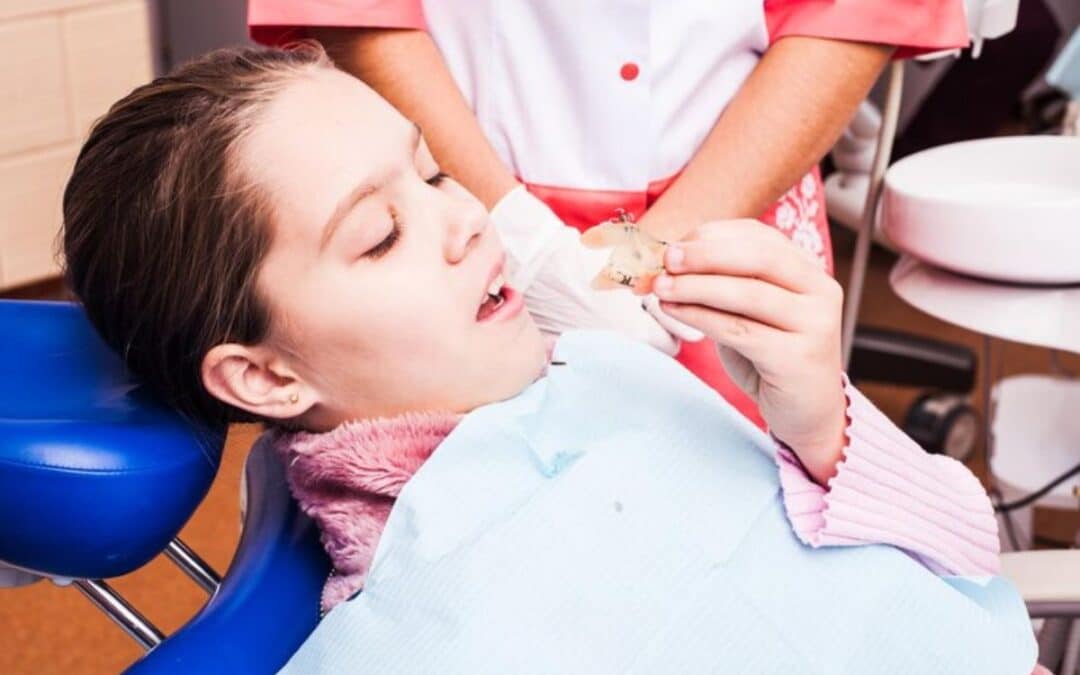
Teenagers lead active, busy lives filled with sports, social activities, and school responsibilities. While this stage of life is exciting, it can sometimes lead to unexpected dental emergencies. Knowing how to recognize and address these situations can prevent long-term oral health problems and ensure your teen’s smile stays bright. Here’s a guide to understanding the most common dental emergencies teenagers face and how to handle them effectively.
Common Dental Emergencies in Teenagers
Teenagers are especially prone to dental emergencies due to their active lifestyles. Here are some of the most frequent issues:
- Knocked-Out Teeth: Sports injuries or accidental falls can cause a tooth to be completely dislodged. Acting quickly can often save the tooth.
- Chipped or Broken Teeth: Biting hard objects or impacts to the face can result in chipped or fractured teeth, which may expose nerves and cause pain.
- Severe Toothaches: Persistent tooth pain could indicate deep cavities, infections, or other underlying problems.
- Lost Fillings or Crowns: Teens with prior dental work might lose a filling or crown, exposing sensitive areas of the tooth.
- Orthodontic Emergencies: For those with braces, loose wires or broken brackets can lead to discomfort or injuries to the soft tissues in the mouth.
When these emergencies occur, seeking prompt care from an emergency dentist in Whitehouse is crucial to minimize further complications.
What to Do in a Dental Emergency
When your teenager encounters a dental emergency, staying calm and knowing what to do can make all the difference. Here are five essential steps to follow:
- For Knocked-Out Teeth: Rinse the tooth gently with water, being careful not to touch the root. If possible, place it back in its socket or store it in milk to keep it moist until you can see a dentist.
- For Chipped or Broken Teeth: Rinse the mouth with warm water, apply a cold compress to reduce swelling, and collect any broken fragments to bring to the dentist.
- For Toothaches: Rinse with warm salt water, and use a cold compress to alleviate discomfort. Avoid applying aspirin directly to the gums, as it can cause irritation.
- For Orthodontic Issues: Cover sharp wires with orthodontic wax to protect the gums and cheeks until an appointment can be arranged.
- For Lost Fillings or Crowns: Apply dental cement (available at most pharmacies) to the area as a temporary fix and schedule a visit with your dentist promptly.
Preventing Dental Emergencies in Teenagers
Prevention is always better than cure. Here’s how to help your teenager minimize the risk of dental emergencies:
- Wear Mouthguards: Custom-fitted mouthguards during sports activities protect teeth from impact injuries.
- Practice Good Oral Hygiene: Brushing and flossing regularly can prevent cavities and gum disease, reducing the risk of pain or infections.
- Avoid Hard Foods: Teach your teen to avoid chewing on ice, popcorn kernels, or other hard objects.
- Use Teeth Properly: Teeth are for chewing, not opening packages or cracking nuts.
- Attend Regular Dental Checkups: Routine visits to the dentist ensure that potential issues are caught early before they escalate.
When to Seek Professional Help
Not all dental issues are emergencies, but it’s vital to know when professional care is necessary. Here are five signs it’s time to call a dentist:
- Persistent or severe tooth pain that doesn’t improve with over-the-counter remedies.
- Swelling in the face or gums that could indicate an infection.
- A knocked-out tooth, as quick action can increase the chances of saving it.
- Bleeding that doesn’t stop after applying pressure for 15 minutes.
- A visible abscess or pus around a tooth or gum line.
If your teen experiences any of these, contacting an emergency dentist in Whitehouse promptly is essential to address the problem and prevent further complications.
Handling Teen Dental Emergencies with Confidence
Knowing how to recognize and respond to dental emergencies ensures that your teenager’s oral health remains a priority. Whether it’s equipping them with a mouthguard or educating them about good oral hygiene, prevention plays a significant role. And when an emergency does arise, having access to a trusted local dentist near you will make all the difference in ensuring a swift and stress-free recovery.
