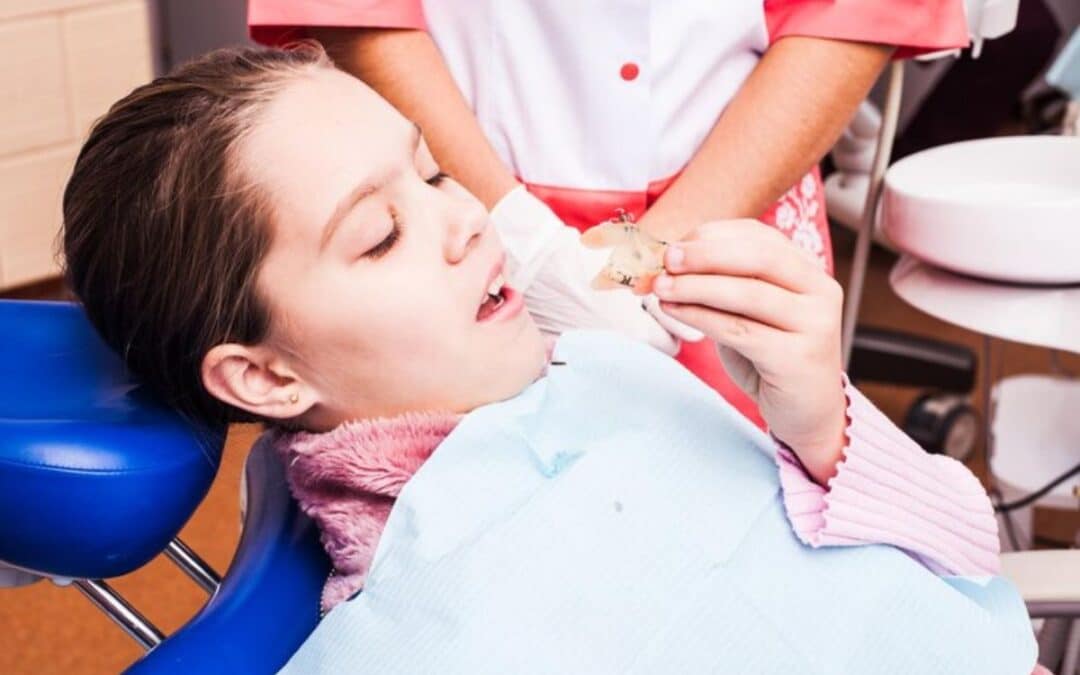
Teenagers lead active, busy lives filled with sports, social activities, and school responsibilities. While this stage of life is exciting, it can sometimes lead to unexpected dental emergencies. Knowing how to recognize and address these situations can prevent long-term oral health problems and ensure your teen’s smile stays bright. Here’s a guide to understanding the most common dental emergencies teenagers face and how to handle them effectively.
Common Dental Emergencies in Teenagers
Teenagers are especially prone to dental emergencies due to their active lifestyles. Here are some of the most frequent issues:
- Knocked-Out Teeth: Sports injuries or accidental falls can cause a tooth to be completely dislodged. Acting quickly can often save the tooth.
- Chipped or Broken Teeth: Biting hard objects or impacts to the face can result in chipped or fractured teeth, which may expose nerves and cause pain.
- Severe Toothaches: Persistent tooth pain could indicate deep cavities, infections, or other underlying problems.
- Lost Fillings or Crowns: Teens with prior dental work might lose a filling or crown, exposing sensitive areas of the tooth.
- Orthodontic Emergencies: For those with braces, loose wires or broken brackets can lead to discomfort or injuries to the soft tissues in the mouth.
When these emergencies occur, seeking prompt care from an emergency dentist in Whitehouse is crucial to minimize further complications.
What to Do in a Dental Emergency
When your teenager encounters a dental emergency, staying calm and knowing what to do can make all the difference. Here are five essential steps to follow:
- For Knocked-Out Teeth: Rinse the tooth gently with water, being careful not to touch the root. If possible, place it back in its socket or store it in milk to keep it moist until you can see a dentist.
- For Chipped or Broken Teeth: Rinse the mouth with warm water, apply a cold compress to reduce swelling, and collect any broken fragments to bring to the dentist.
- For Toothaches: Rinse with warm salt water, and use a cold compress to alleviate discomfort. Avoid applying aspirin directly to the gums, as it can cause irritation.
- For Orthodontic Issues: Cover sharp wires with orthodontic wax to protect the gums and cheeks until an appointment can be arranged.
- For Lost Fillings or Crowns: Apply dental cement (available at most pharmacies) to the area as a temporary fix and schedule a visit with your dentist promptly.
Preventing Dental Emergencies in Teenagers
Prevention is always better than cure. Here’s how to help your teenager minimize the risk of dental emergencies:
- Wear Mouthguards: Custom-fitted mouthguards during sports activities protect teeth from impact injuries.
- Practice Good Oral Hygiene: Brushing and flossing regularly can prevent cavities and gum disease, reducing the risk of pain or infections.
- Avoid Hard Foods: Teach your teen to avoid chewing on ice, popcorn kernels, or other hard objects.
- Use Teeth Properly: Teeth are for chewing, not opening packages or cracking nuts.
- Attend Regular Dental Checkups: Routine visits to the dentist ensure that potential issues are caught early before they escalate.
When to Seek Professional Help
Not all dental issues are emergencies, but it’s vital to know when professional care is necessary. Here are five signs it’s time to call a dentist:
- Persistent or severe tooth pain that doesn’t improve with over-the-counter remedies.
- Swelling in the face or gums that could indicate an infection.
- A knocked-out tooth, as quick action can increase the chances of saving it.
- Bleeding that doesn’t stop after applying pressure for 15 minutes.
- A visible abscess or pus around a tooth or gum line.
If your teen experiences any of these, contacting an emergency dentist in Whitehouse promptly is essential to address the problem and prevent further complications.
Handling Teen Dental Emergencies with Confidence
Knowing how to recognize and respond to dental emergencies ensures that your teenager’s oral health remains a priority. Whether it’s equipping them with a mouthguard or educating them about good oral hygiene, prevention plays a significant role. And when an emergency does arise, having access to a trusted local dentist near you will make all the difference in ensuring a swift and stress-free recovery.