by 110 Dental & Orthodontics | Jul 11, 2024 | Orthodontics
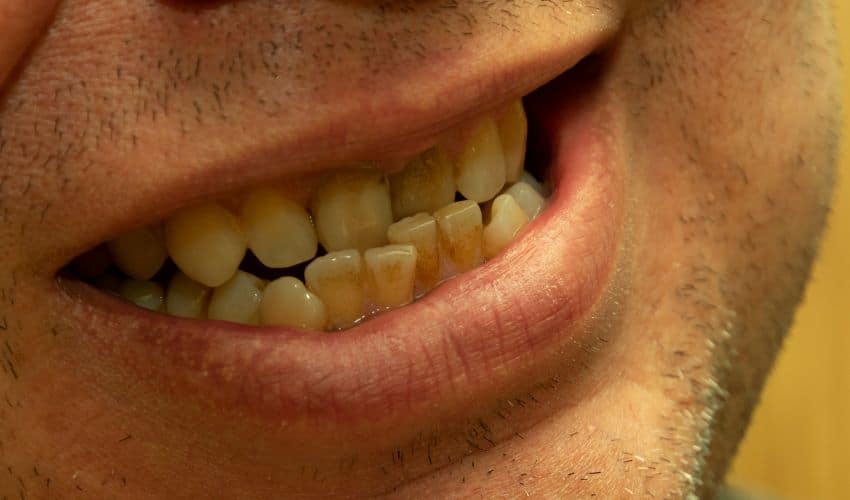
Malocclusion, commonly known as misalignment of the teeth or a “bad bite,” is a prevalent dental condition that affects people of all ages. It can impact not only the aesthetics of a smile but also the overall oral health and functionality of the mouth. This blog post will delve into the types of malocclusion, its causes, symptoms, and the various treatment options available to correct it.
What is Malocclusion?
Malocclusion refers to the improper alignment of the teeth when the jaws are closed. It can manifest in various forms, including overcrowded teeth, overbites, underbites, crossbites, and open bites. Proper alignment ensures that the upper and lower teeth fit together correctly, which is crucial for efficient chewing, speech, and maintaining oral health.
Types of Malocclusion
Malocclusion can be categorized into three main classes:
Class I Malocclusion
This is the most common type, where the bite is normal, but there are issues with the alignment of the teeth, such as crowding or spacing.
Class II Malocclusion
Also known as retrognathism or overbite, this occurs when the upper jaw and teeth significantly overlap the lower jaw and teeth.
Class III Malocclusion
Known as prognathism or underbite, this type occurs when the lower jaw protrudes forward, causing the lower teeth to overlap the upper teeth.
Causes of Malocclusion
Several factors can contribute to the development of malocclusion, including:
Genetic Factors
Malocclusion can be inherited, meaning if parents have misaligned teeth, their children are likely to have similar issues.
Childhood Habits
Prolonged use of pacifiers, thumb sucking, and bottle feeding beyond the infant stage can lead to misalignment of the teeth.
Dental Problems
Early loss of primary teeth, impacted teeth, and irregularly shaped teeth can cause malocclusion. Additionally, improper fitting of dental appliances like braces, crowns, or fillings can also contribute.
Injuries
Trauma or injury to the jaw can alter its alignment, leading to malocclusion.
Symptoms of Malocclusion
Malocclusion can present various symptoms, ranging from mild to severe, depending on the type and extent of misalignment. Common symptoms include:
- Difficulty in Chewing or Biting: Misaligned teeth can make it challenging to bite and chew food properly.
- Speech Difficulties: Malocclusion can affect speech, causing issues like lisping.
- Mouth Breathing: Misalignment can sometimes cause breathing difficulties, leading to mouth breathing.
- Jaw Pain or Discomfort: Misaligned teeth can cause strain on the jaw, leading to pain or discomfort.
- Frequent Biting of Cheeks or Tongue: Irregular alignment can cause accidental biting of the inner cheeks or tongue.
Diagnosing Malocclusion
A dentist or orthodontist typically diagnoses malocclusion during a routine dental examination. The diagnosis involves:
- Visual Examination: The dentist examines the alignment of the teeth and jaws.
- Dental Impressions: Molds of the teeth are created to study their alignment.
- X-rays: Dental X-rays help visualize the position of teeth and roots.
- Cephalometric Analysis: A specialized X-ray of the head that helps in assessing the jaw and teeth alignment.
Treatment Options for Malocclusion
The treatment for malocclusion depends on the severity and type of misalignment. The goal is to correct the alignment of the teeth and jaws to improve functionality and aesthetics. Here are some common treatment options:
Orthodontic Braces
Braces are the most common treatment for malocclusion. They consist of brackets attached to the teeth and connected by wires that gradually move the teeth into the correct position. Braces are typically worn for one to three years, depending on the severity of the misalignment.
Clear Aligners
Clear aligners, such as Invisalign, are an alternative to traditional braces. They are removable, transparent trays that fit snugly over the teeth and gradually shift them into place. Clear aligners are popular among adults and teenagers due to their aesthetic appeal.
Retainers
Retainers are often used after braces or clear aligners to maintain the new position of the teeth. They can be fixed or removable and are usually worn for an extended period to prevent the teeth from reverting to their original position.
Orthognathic Surgery
In severe cases of malocclusion, where the jaw alignment is significantly affected, orthognathic surgery may be necessary. This surgical procedure involves repositioning the jaws to achieve proper alignment.
Tooth Extraction
In cases of severe overcrowding, tooth extraction may be recommended to create space for the remaining teeth to align correctly.
Habit Appliances
For children with habits like thumb sucking or tongue thrusting that contribute to malocclusion, habit appliances can be used to discourage these behaviors and prevent misalignment.
Preventing Malocclusion
While genetic factors cannot be controlled, certain measures can help prevent malocclusion caused by other factors:
- Early Dental Visits: Regular dental check-ups from an early age can help identify and address issues before they become severe.
- Encouraging Good Oral Habits: Discouraging habits like thumb sucking and prolonged pacifier use can prevent misalignment.
- Protecting Against Dental Injuries: Using mouthguards during sports and other activities can prevent jaw injuries that could lead to malocclusion.
Let’s Summing up
Malocclusion is a common dental issue that can impact oral health and quality of life. Understanding its causes, symptoms, and treatment options can help individuals seek timely intervention and achieve better dental health. If you suspect malocclusion, consult with a dental professional to explore the best treatment options for your specific condition. With proper care and treatment, achieving a healthy, aligned smile is within reach.

by 110 Dental & Orthodontics | Jun 26, 2024 | Restorative Dentistry

by 110 Dental & Orthodontics | May 6, 2024 | Dental Care
As Mother’s Day approaches, it’s a time of reflection and gratitude for the incredible women who have shaped our lives with their love, wisdom, and unwavering support. At 110 Dental & Orthodontics of Whitehouse, we want to take this opportunity to extend our warmest wishes and heartfelt thanks to all the moms in our community and beyond.
A Mother’s Love: Unmatched and Unconditional
A mother’s love is like no other – it’s a beacon of light that guides us through life’s ups and downs, offering comfort, strength, and unwavering support. From the moment of our birth, mothers are there to nurture, protect, and encourage us, selflessly putting our needs above their own. Their love knows no bounds, and their sacrifices often go unnoticed and unappreciated. This Mother’s Day, let’s take a moment to honor and celebrate the extraordinary women who have touched our lives in profound ways.
A Special Tribute from 110 Dental & Orthodontics of Whitehouse
At 110 Dental & Orthodontics of Whitehouse, we understand the importance of family and the central role that mothers play in keeping their loved ones healthy and happy. As a leading dental practice in the Whitehouse area, we are honored to serve mothers and families in our community, providing compassionate care and personalized attention to every patient who walks through our doors.
Wishing Happy Mother’s Day to All Moms
On behalf of our entire team, we want to extend our warmest wishes for a happy Mother’s Day to all the moms out there. Whether you’re a new mom experiencing the joys of motherhood for the first time or a seasoned mom navigating the challenges of raising teenagers, we salute you for your strength, resilience, and unwavering love. Today, we celebrate you and all that you do for your families.
The Importance of Self-Care for Moms
As mothers, it’s easy to prioritize the needs of others ahead of our own, often neglecting our own health and well-being in the process. However, it’s essential for moms to practice self-care and prioritize their own health, including their oral health. Taking time for regular dental check-ups and cleanings, maintaining a healthy diet, and practicing good oral hygiene habits are key components of overall wellness.
Supporting Moms on Their Oral Health Journey
At 110 Dental & Orthodontics of Whitehouse, we’re here to support moms on their oral health journey every step of the way. Whether you’re due for a routine dental exam, interested in teeth whitening treatments, or considering orthodontic care for yourself or your children, our experienced team is here to provide the highest quality of care in a warm and welcoming environment.
Conclusion: Celebrating Moms and Their Unconditional Love
This Mother’s Day, let’s take the time to celebrate and honor the remarkable women who have made a difference in our lives. Whether it’s through a simple gesture of appreciation or a heartfelt expression of gratitude, let’s show moms everywhere how much they mean to us. At 110 Dental & Orthodontics of Whitehouse, we’re proud to celebrate moms and their unwavering love, today and every day.

by 110 Dental & Orthodontics | Apr 19, 2024 | Restorative Dentistry
Dental crowns, though often associated with cosmetic dentistry, serve a myriad of functions beyond enhancing the smile’s aesthetics. These versatile dental restorations play a crucial role in restoring the form, function, and health of damaged or decayed teeth. In this comprehensive guide, we delve into the various functions of dental crowns, shedding light on their importance in modern dentistry.
Protection and Reinforcement
Dental crowns act as a protective shield for weakened or damaged teeth. When a tooth suffers from extensive decay, trauma, or undergoes a root canal procedure, it becomes vulnerable to further damage and fracture. Crowns encapsulate the entire visible portion of the tooth, providing structural reinforcement and preventing cracks or fractures.
Restoring Functionality
Teeth weakened by decay or fractures often compromise functionality, affecting biting and chewing capabilities. Dental crowns restore the tooth’s natural shape and function, enabling patients to bite, chew, and speak without discomfort or difficulty. By mimicking the original tooth structure, crowns ensure optimal oral functionality.
Preservation of Tooth Structure
Unlike traditional dental fillings that require the removal of healthy tooth structure, crowns preserve a significant portion of the natural tooth. With advancements in dental materials and techniques, minimal tooth preparation is often sufficient to accommodate a crown, conserving as much healthy tooth structure as possible.
Long-Term Durability
Dental crowns are engineered to withstand the rigors of daily oral functions. Constructed from durable materials such as porcelain, ceramic, or metal alloys, crowns offer exceptional longevity and durability. With proper care and maintenance, a well-fitted crown can last for many years, providing enduring protection and functionality.
Correction of Cosmetic Imperfections
While functionality is paramount, dental crowns also address cosmetic concerns, enhancing the smile’s appearance. Whether concealing severe discoloration, irregularities in shape or size, or gaps between teeth, crowns offer a versatile solution to achieve a harmonious and aesthetically pleasing smile.
Support for Dental Bridges
Dental bridges, used to replace missing teeth, rely on adjacent teeth for support. Dental crowns play a crucial role in anchoring the bridge by capping the adjacent healthy teeth, providing stability and ensuring the proper distribution of biting forces. This support structure restores the patient’s ability to bite and chew effectively.
Covering Dental Implants
Dental implants serve as artificial tooth roots for the replacement of missing teeth. Crowns are affixed to dental implants to replicate the appearance and function of natural teeth seamlessly. Whether replacing a single tooth or supporting a full arch restoration, implant-supported crowns offer unparalleled stability and aesthetics.
Treatment for Tooth Fractures
Teeth subjected to trauma or excessive wear may develop fractures, compromising their structural integrity. Dental crowns offer an effective solution for restoring fractured teeth, preventing further damage, and preserving their functionality. By encapsulating the fractured tooth, crowns provide reinforcement and prevent the propagation of cracks.
Protection of Root Canal-treated Teeth
Root canal therapy is performed to salvage infected or severely decayed teeth by removing the infected pulp and sealing the canal. Following the procedure, the tooth may become brittle and susceptible to fracture. A dental crown placed over the treated tooth provides added protection, sealing the canal and preventing bacterial recontamination.
Conclusion
Dental crowns represent a cornerstone of modern restorative dentistry, offering multifaceted benefits beyond mere cosmetic enhancement. From protecting and reinforcing weakened teeth to restoring functionality and preserving natural tooth structure, crowns play a pivotal role in ensuring optimal oral health and well-being. By understanding the diverse functions of dental crowns, patients can make informed decisions regarding their dental care, paving the way for long-lasting smiles and improved quality of life.
by 110 Dental & Orthodontics | Apr 12, 2024 | Oral Health
April marks Oral Cancer Awareness Month, a time dedicated to raising awareness about a disease that affects millions worldwide. While not as widely discussed as some other forms of cancer, oral cancer is a significant health concern with potentially devastating consequences. Through education, early detection, and prevention, we can make strides in reducing its impact. This blog post delves into the importance of oral cancer awareness, its risk factors, signs, and the steps individuals can take to protect themselves.
Understanding Oral Cancer
Oral cancer refers to cancers that develop in the mouth, including the lips, tongue, cheeks, gums, palate, floor of the mouth, and throat. It can affect anyone, although certain factors may increase the risk. Smoking, excessive alcohol consumption, and the use of smokeless tobacco are well-known risk factors. Additionally, human papillomavirus (HPV) infection, a weakened immune system, poor oral hygiene, and a diet lacking in fruits and vegetables can also contribute to the development of oral cancer.
The Importance of Awareness
One of the challenges with oral cancer is that it often goes unnoticed in its early stages. Symptoms may be subtle or resemble common oral issues, such as a persistent sore throat, mouth ulcers, difficulty swallowing, or changes in the voice. As a result, many cases are diagnosed when the cancer has already advanced, making treatment more difficult and reducing the chances of survival.
Raising awareness about oral cancer is crucial for several reasons. First and foremost, it empowers individuals to recognize the signs and symptoms, prompting them to seek medical attention if they notice anything unusual. Early detection is key to improving outcomes and increasing the likelihood of successful treatment. Furthermore, by educating the public about the risk factors associated with oral cancer, we can encourage healthier behaviors and lifestyles that may help prevent its onset.
Spread the Word, Save Lives
During Oral Cancer Awareness Month, there are various ways to get involved and spread the word. Healthcare professionals can host educational events, offer free screenings, or distribute informational materials in their communities. Social media platforms provide an excellent opportunity to share facts, statistics, and personal stories to reach a broader audience. Encouraging friends, family, and colleagues to undergo regular dental check-ups, where oral cancer screenings are often performed, can also make a difference.
Individuals can take proactive steps to protect themselves from oral cancer by adopting healthy habits and minimizing risk factors. This includes quitting smoking, limiting alcohol consumption, practicing good oral hygiene, eating a balanced diet rich in fruits and vegetables, and getting vaccinated against HPV. Regular self-examinations of the mouth and throat can also help detect any abnormalities early on.
The Role of Screening
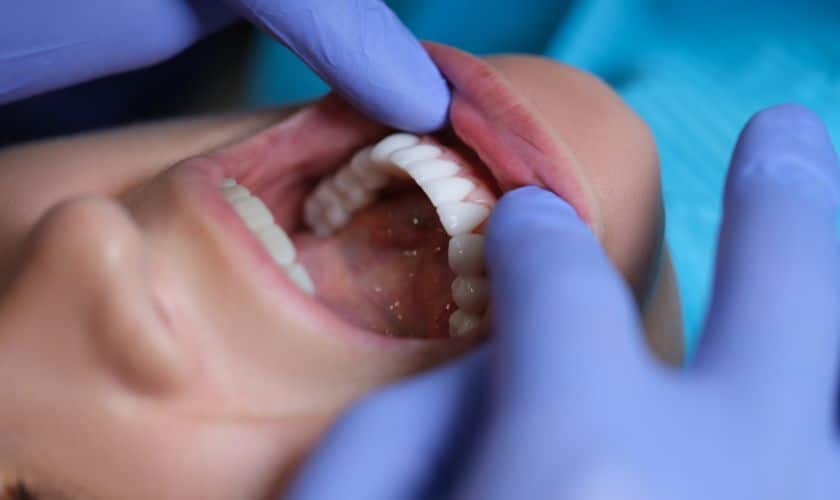
Routine screenings for oral cancer are essential, especially for those at higher risk due to lifestyle factors or a family history of the disease. Dentists and primary care physicians can perform thorough examinations of the mouth and throat during regular check-ups. These screenings are quick, painless, and can detect abnormalities that may warrant further investigation.
It’s important to note that while screenings are valuable tools for early detection, they are not foolproof. Therefore, individuals should remain vigilant about their oral health and promptly report any concerning symptoms to their healthcare providers.
Conclusion
Oral cancer is a serious but often overlooked health issue that requires greater attention and awareness. By spreading knowledge about its risk factors, signs, and preventive measures, we can empower individuals to take control of their oral health and reduce the burden of this disease. This Oral Cancer Awareness Month, let’s unite in the fight against oral cancer and strive to save lives through education, early detection, and prevention efforts. Together, we can make a difference.
In memory of those who have lost their battle with oral cancer and in support of those currently fighting, let us commit to spreading awareness and promoting healthier communities. Together, we can make a difference.
