by 110 Dental & Orthodontics | Feb 13, 2026 | Dental Implants
As we age, our bodies change in ways that can make us wonder about certain procedures. Dental implant surgery stands out as a reliable way to restore smiles, but questions often arise about recovery for older adults. Let’s break down the facts, dispel myths, and offer practical guidance to help you feel confident.
Understanding Dental Implant Surgery
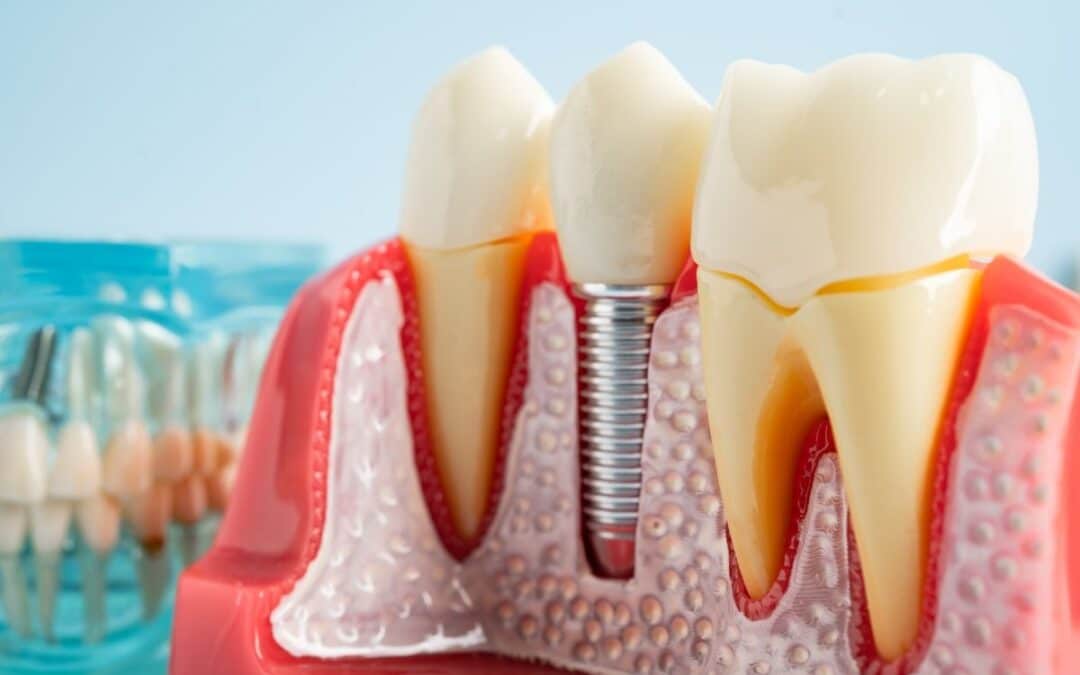
Dental implants replace missing teeth with titanium posts that fuse to the jawbone. This process, called osseointegration, creates a stable base for crowns or bridges. The surgery itself is straightforward and is often performed in one visit under local anesthesia. Most people return to normal activities within days.
Recovery initially involves managing swelling and discomfort. Over time, the implant integrates with bone. Factors like overall health play a big role in how smoothly this goes.
How Age Influences Healing
Age does impact healing, but not as drastically as some think. Younger folks often bounce back faster due to robust cell regeneration. For seniors, the process might take a bit longer due to natural slowdowns in tissue repair.
Studies show that while initial recovery can take longer, overall success remains high. Bone density tends to decrease with age, which could affect integration. Yet, many older patients achieve full fusion within months.
Health conditions common in later years, such as diabetes or osteoporosis, can slow things down more than age alone. Maintaining good nutrition and following care instructions helps counter this.
Key Factors Affecting Recovery in Seniors
Several elements determine how quickly seniors heal from this surgery.
Bone Health and Density
Jawbone quality is crucial. If the bone has thinned over time, a graft might be needed first. This adds steps but ensures stability.
Seniors with adequate bone often see integration within 3 to 6 months, similar to others.
Overall Health and Medications
Chronic issues like heart disease can influence blood flow, extending recovery. Some medications, including blood thinners, might require adjustments.
Staying active and managing conditions well speeds up the process.
Lifestyle Choices
Smoking hinders blood circulation, delaying healing. Quitting before surgery boosts outcomes.
A balanced diet rich in vitamins supports bone repair. Hydration matters too.
Common Concerns Addressed
Many worry about pain or complications. Discomfort is usually mild and managed with over-the-counter relief.
Infections are rare with proper hygiene. Regular check-ups catch issues early.
For upper jaw placements, proximity to sinuses can raise questions. It’s worth noting that some experience concerns around dental implants and sinus issues, but skilled placement minimizes risks through techniques like lifts when needed.
If you’re wondering about local options, dental implants in Whitehouse, TX offer reliable solutions tailored to individual needs.
Trending FAQs on the Topic
Based on frequent searches, here are some top questions people ask about seniors and dental implant healing, with clear answers:
- Does age affect healing after dental implant surgery? Yes, but minimally for healthy seniors. Recovery might add a week or two, yet success rates hover around 95%.
- Are you too old for dental implants? No, age isn’t a barrier. Many in their 80s succeed if health allows.
- Do dental implants work well for the elderly? Absolutely, with high survival rates. They improve chewing and confidence.
- What special considerations apply to dental implants for seniors? Focus on bone density and health management for best results.
- Am I too old for dental implants? What seniors should know before deciding? Consult a professional; most find the process manageable and rewarding.
Statistics on Healing and Success
Here’s a quick look at key data from studies on implant outcomes by age group.
| Age Group |
Average Healing Time (Months) |
Success Rate (%) |
Early Failure Rate (%) |
| Under 40 |
3-4 |
98 |
2 |
| 40-60 |
4-5 |
97 |
3 |
| 60-80 |
4-6 |
95 |
5 |
| Over 80 |
5-7 |
94 |
6 |
These figures show that while time increases slightly with age, success remains strong overall.
Tips for Faster Recovery
To optimize healing, follow these steps.
Rest adequately in the first few days. Use ice packs for swelling.
Stick to soft foods initially, then gradually reintroduce solids.
Keep the area clean with gentle rinsing. Avoid strenuous activity.
Attend all follow-ups. Report any unusual symptoms promptly.
If you are searching for dental implants near you, exploring trusted providers can address your specific situation effectively.
Potential Challenges and Solutions
Slower tissue repair in seniors might lead to extended discomfort. Counter this with anti-inflammatory foods like berries.
Bone loss is common; grafts resolve it in most cases.
Immune responses vary, so boosting with exercise helps.
Long-Term Benefits for Seniors
Once healed, implants feel natural. They prevent bone loss and support facial structure.
Eating favorites becomes easier. Speech improves, too.
Quality of life rises, with many reporting renewed energy.
In wrapping up, dental implant surgery offers lasting value for seniors, even if healing takes a touch longer. With the right approach, outcomes are excellent. Ready to discuss your options? Click here to schedule an appointment.
by 110 Dental & Orthodontics | Feb 6, 2026 | Root Canal Therapy
Have you ever bitten into something and felt a sharp twinge in a tooth that was fixed years ago? It’s frustrating when old dental work starts causing trouble. Many people face this issue, wondering if simple discomfort signals a bigger problem. This post dives into what happens when fillings go wrong and whether more advanced care is needed. We’ll cover symptoms, causes, and steps to take, helping you make informed choices for your smile.
Understanding Failed Fillings
Fillings repair cavities by sealing off decayed areas. They restore function and prevent further damage. Over time, though, they can weaken. Daily wear from chewing plays a role. Poor oral habits speed up the process. Bacteria sneak in through tiny gaps. This leads to new decay beneath the surface.
Causes vary widely. Cracks form from temperature changes in food. Grinding teeth at night adds stress. Even age affects durability. Metal types expand and contract, creating micro-fractures. Composite ones might shrink if not placed perfectly. Infection spreads if the original cavity was deep.
In East Texas communities, dentists see these issues often due to local diets high in sweets. Regular checkups catch problems early. Ignoring them risks deeper involvement. That’s when nerves inside the tooth get irritated.
Signs Your Filling Has Failed
Watch for persistent pain. It might throb after eating hot or cold items. Sensitivity lingers longer than usual. Swelling around the gum line appears. A bad taste signals infection.
Visible changes matter too. The tooth darkens or shows lines. Food gets stuck more easily. Loose feelings when biting down occur. Sometimes, no symptoms show until a routine exam.
X-rays reveal hidden decay. Dentists spot shadows under the material. Pus or abscesses form in severe cases. Don’t wait for extreme discomfort. Early signs save teeth from worse outcomes.
When Does a Failed Filling Require Further Treatment?
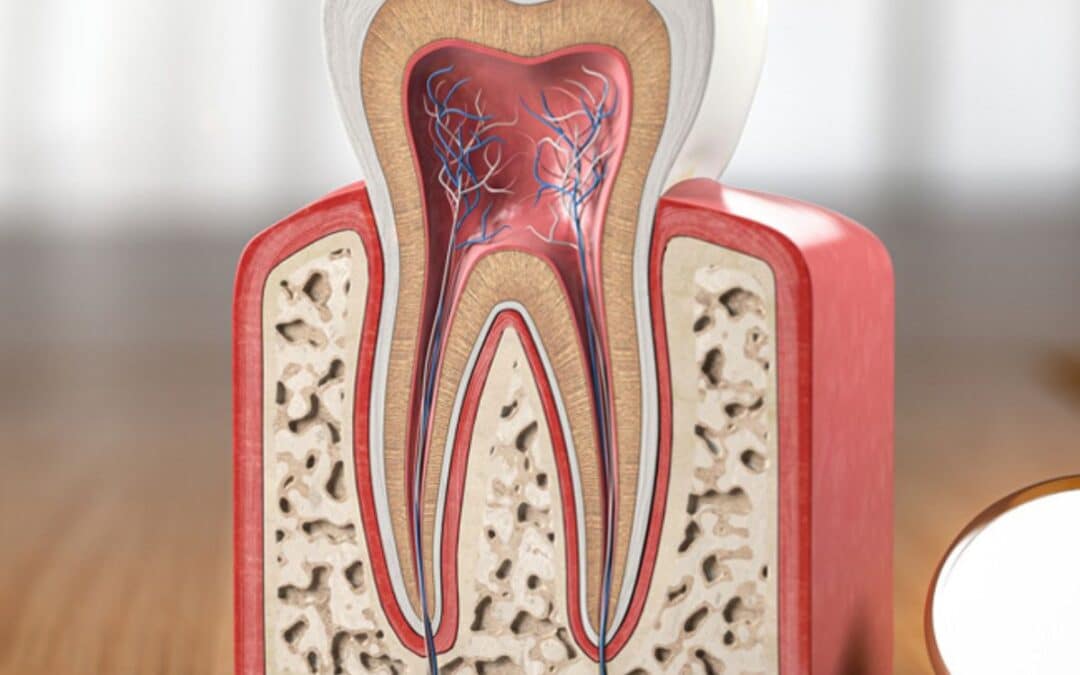
Not every issue needs drastic steps. Small cracks get refilled quickly. But if decay reaches the pulp, options change. The pulp holds nerves and blood vessels. Infection here causes intense pain.
Bacteria thrive in enclosed spaces. They inflame tissues inside. Without intervention, abscesses develop. This spreads to nearby areas. Saving the tooth becomes priority.
Professionals assess depth and spread. They use tools to check vitality. If unresponsive, treatment shifts. Root canal therapy in Whitehouse, TX, addresses these exact scenarios by cleaning out infected parts.
The Root Canal Procedure Explained
This process saves natural teeth. It starts with numbing the area. A small opening accesses the interior. Infected pulp gets removed carefully.
Canals are cleaned and shaped. Special files ensure thoroughness. Medicated material fills the space. A seal prevents re-entry of germs.
Often, a crown follows for strength. The whole visit takes one or two sessions. Modern techniques make it comfortable. Recovery involves mild soreness, managed with over-the-counter relief.
Benefits of Addressing the Issue Promptly
Acting fast preserves your bite. It stops pain from worsening. Natural teeth function better than replacements. Chewing stays efficient.
Infection control protects overall health. Untreated problems link to systemic issues. Heart and joint concerns arise rarely but seriously.
A treated tooth lasts years with care. It blends seamlessly. Confidence in smiling returns. Daily life improves without constant worry.
Trending FAQs on Failed Fillings and Root Canals
People often search for answers online. Here are some common questions based on frequent Google queries, with clear responses.
- What are the signs I need a root canal after a filling? Look for ongoing pain, swelling, or sensitivity. If decay has spread inward, these symptoms emerge. A dental exam confirms it.
- Why do fillings fail over time? Wear, cracks, or poor bonding allow bacteria in. Habits like grinding accelerate this. Regular maintenance helps prevent it.
- Can a root canal fix a failed filling? Yes, if infection reaches the pulp. It removes damaged tissue and seals the tooth. Success rates are high with proper follow-up.
- How long does recovery take after a root canal? Most feel better in a few days. Avoid hard foods initially. Full healing occurs within a week.
- Is a root canal painful? Modern anesthesia makes it similar to a filling. Post-procedure discomfort is minimal and temporary.
These address top concerns from searches on the topic.
Key Statistics on Dental Restorations
Data helps put things in perspective. Here’s a table showing relevant stats from studies on fillings and root canals.
| Restoration Type |
Average Longevity |
Failure Rate |
Success Rate |
| Dental Fillings |
5-15 years |
1-4% annually |
85-95% |
| Root Canals |
Lifetime with care |
Less than 10% |
Over 95% |
| Crowns After Treatment |
10-20 years |
3-5% annually |
90-95% |
These figures come from dental research, highlighting reliability when done well.
Prevention Strategies for Long-Lasting Dental Work
Brush twice daily with fluoride. Floss to remove hidden debris. Use mouthwash for extra protection.
Schedule cleanings every six months. They spot early wear. Avoid sugary snacks that feed bacteria.
Wear a night guard if you grind. It reduces pressure. Stay hydrated to maintain saliva flow.
Healthy habits extend restoration life. They keep minor issues from escalating.
If you’re noticing odd sensations in a previously filled tooth, it’s wise to get checked. Our team is here to guide you through options in a relaxed setting. Feel free to contact us for a consultation that fits your schedule.
In the end, tackling dental concerns head-on leads to lasting comfort. Your teeth deserve attention that keeps them strong. Stay proactive, and enjoy a pain-free smile for years ahead.
by 110 Dental & Orthodontics | Jan 29, 2026 | Dental Implants
Choosing a dentist for dental implants can feel overwhelming. After all, this decision impacts your smile, comfort, and long-term oral health. Implants offer a durable solution for missing teeth, blending seamlessly with your natural look. In this guide, we’ll walk through key steps to find the right professional. We’ll address common concerns, share insights from experts, and provide tips to make the process smoother. Let’s dive in and help you feel confident about your choice.
Understanding Dental Implants
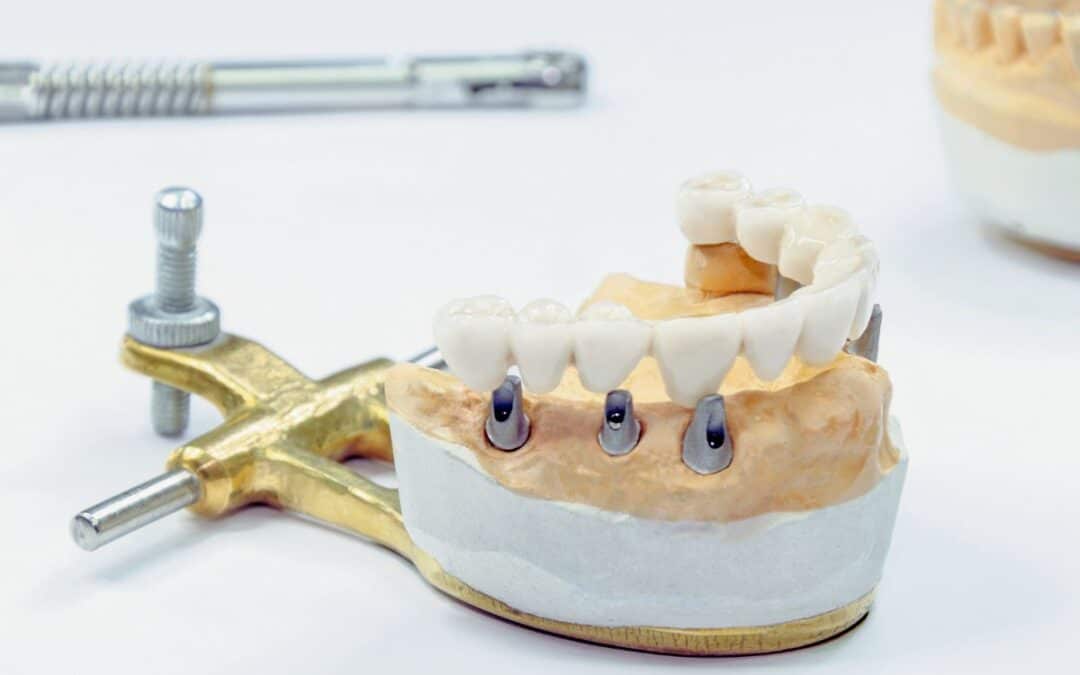
Dental implants replace missing teeth with a strong, artificial root. They consist of a titanium post, an abutment, and a crown. The post fuses with your jawbone over time. This creates a stable base. Many people opt for them due to their natural feel and function.
The process starts with a consultation. Your dentist assesses your oral health. They check bone density and gum condition. If needed, they may suggest bone grafting. The surgery places the post in the jaw. Healing takes a few months. Then, the abutment and crown are added.
Implants improve chewing and speaking. They prevent bone loss too. Success depends on proper placement and care. That’s why selecting an experienced provider matters.
Key Factors to Consider When Selecting a Dentist
Start with credentials. Look for advanced training in implant dentistry. Certifications from recognized organizations show expertise. Experience counts. Ask how many procedures they’ve done.
Technology plays a role. Modern tools like 3D imaging help plan accurately. This reduces risks and improves outcomes. Comfort during visits is key. A welcoming office eases anxiety.
Patient reviews offer insights. Read about others’ experiences. Positive feedback on results and care builds trust. Schedule consultations. Meet the team. Gauge their approach.
Questions to Ask Potential Dentists
Prepare a list. Inquire about their success rates. High numbers indicate skill. Ask about the types of implants they use. Quality materials last longer.
Discuss the timeline. Know what to expect step by step. Learn about aftercare. Good follow-up ensures healing. Ask if they handle complications in-house.
Probe their team. Collaborative care with specialists enhances results. Finally, clarify the warranty on the work. This shows confidence in their service.
In Whitehouse, TX, locals often seek providers familiar with regional needs. Our dental implant procedure in Whitehouse, TX, involves detailed planning to match the individual’s jaw structure. This ensures better integration and longevity.
Common Concerns and How to Address Them
Many worry about pain. Sedation options make it manageable. Healing varies by person. Follow instructions to speed recovery.
Bone health is crucial. If density is low, grafts help. Smoking can hinder success. Quitting improves chances. Age isn’t a barrier if health is good.
Infections are rare with proper hygiene. Regular check-ups catch issues early. Implants feel natural once settled. They boost confidence in daily life.
Trending FAQs on Choosing a Dentist for Dental Implants
People often search for answers to specific questions about this topic. Based on common Google queries, here are some trending FAQs with helpful responses:
- How do I know if a dentist is qualified for dental implants? Check for specialized training in implantology. Look for memberships in groups like the American Academy of Implant Dentistry. Experience with hundreds of cases signals reliability.
- What should I ask my dentist before getting implants? Inquire about their success rate, the materials used, and the full procedure timeline. Ask about potential risks and how they handle them.
- Are dental implants safe, and what is their success rate? Yes, they’re safe with proper placement. Studies show over 95% success over 10 years, depending on care and health factors.
- How long do dental implants last? With good maintenance, they can last a lifetime. The crown may need replacement after 10-15 years due to wear.
- What if I’m not a good candidate for implants? Alternatives like bridges or dentures exist. Your dentist can assess your jawbone and overall health and recommend the best option.
These address common concerns and help with decision-making.
Statistics on Dental Implant Success
Understanding data builds confidence. Here’s a table summarizing key stats from reliable studies:
| Factor |
Success Rate |
Notes |
| Overall 10-Year Success |
95-98% |
High with proper care; drops if smoking is involved. |
| 20-Year Survival |
75-88% |
Varies by implant length and bone quality. |
| Early Failure Rate |
3-5% |
Often due to infection or poor integration. |
| Maxilla vs. Mandible |
83% vs. 92% |
The upper jaw has a slightly higher risk due to bone density. |
| With Bone Grafting |
90% |
Improves outcomes in low-density cases. |
These figures highlight why expertise matters. Data from sources like the Journal of Oral and Maxillofacial Surgery.
The Importance of Aftercare and Maintenance
Post-procedure care ensures longevity. Brush and floss daily. Use antimicrobial rinses. Avoid hard foods initially.
Schedule regular visits. Cleanings prevent plaque buildup. Monitor for signs of issues like swelling. Healthy habits extend implant life.
Lifestyle choices help. A balanced diet supports bone health. Quitting tobacco reduces risks. Stay hydrated for gum vitality.
Making Your Final Decision
Weigh all factors. Trust your gut after meetings. A good fit feels right. Prioritize quality over convenience.
If you are searching for a reliable implant dentist near Whitehouse, consider those with strong local reputations for personalized care. They understand community needs and deliver tailored solutions.
Your journey to a better smile starts with the right choice. Implants transform lives by restoring function and aesthetics. Take time to research. Consult professionals. Soon, you’ll enjoy the benefits of a confident, complete smile. Your oral health deserves the best.
by 110 Dental & Orthodontics | Jan 23, 2026 | Invisalign
Have you ever caught yourself hiding your smile because of a few crooked teeth or small gaps? Many people face these minor alignment issues. They can affect confidence in daily life. The good news is modern options exist to fix them discreetly. Clear aligners like Invisalign offer a fresh approach. This post dives into whether this treatment truly works for mild cases. We’ll address your questions and concerns head-on.
Understanding Mild Orthodontic Issues
Mild orthodontic problems are common. They include slight crowding where teeth overlap a bit. Small gaps between teeth also count. Minor bite issues, like a subtle overbite, fit here too. These aren’t severe enough to impact jaw function much. Yet they can make you self-conscious.
People often wonder if such issues need treatment at all. Ignoring them might lead to uneven wear on teeth over time. Food can get trapped more easily. This raises the risk of decay or gum problems. Addressing them early keeps your oral health strong. It boosts your smile’s appeal as well.
Clear aligners target these concerns effectively. They use gentle pressure to shift teeth gradually. No metal wires or brackets involved. This makes the process less noticeable. Many adults prefer this for professional settings.
How Invisalign Works
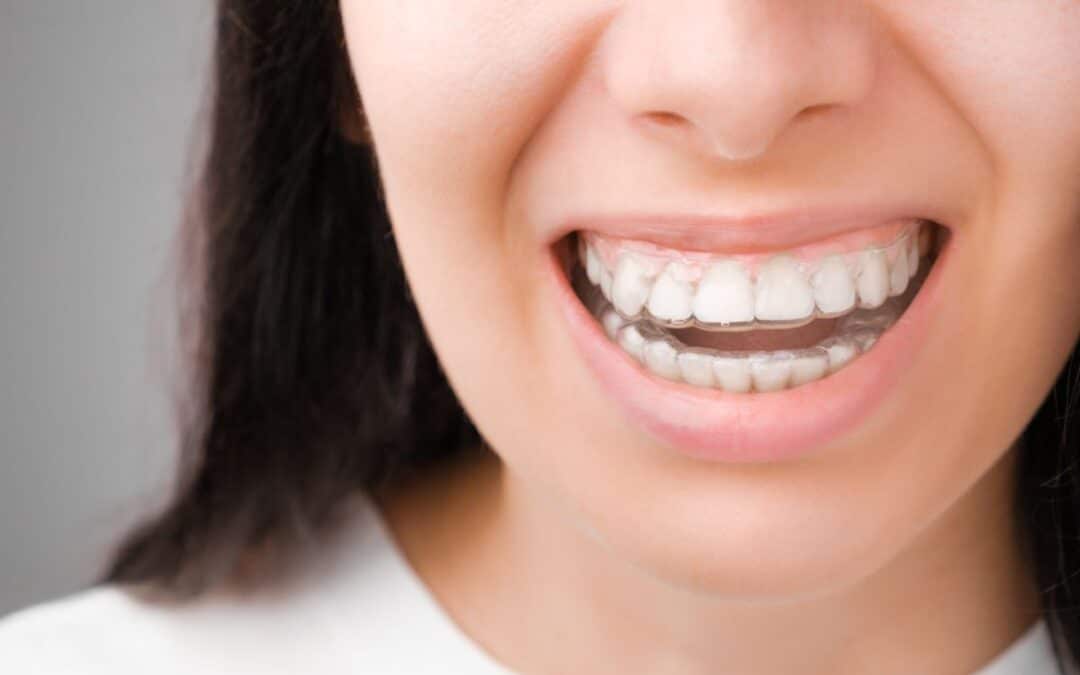
Invisalign uses custom-made trays. These are clear and fit snugly over your teeth. You switch to a new set every one to two weeks. Each tray moves your teeth a tiny bit more.
The treatment starts with a scan of your mouth. This creates a 3D model. Your orthodontist plans the exact movements needed. Trays are then crafted based on this plan.
Wear them for 20 to 22 hours daily. Remove them only for eating or brushing. This ensures steady progress. Treatment time varies. For mild cases, it often wraps up in 6 to 12 months.
Comfort is a big plus. No sharp edges to irritate your cheeks. You can eat what you like without restrictions. Just clean the trays regularly.
Studies show high success for these aligners in mild scenarios. They straighten teeth without the hassle of traditional methods.
Benefits for Mild Cases
Discretion stands out. The trays are nearly invisible. Friends might not even notice you’re in treatment.
Convenience matters too. Fewer office visits compared to adjustments for braces. This saves time for busy schedules.
Hygiene is easier. Pop out the trays to brush and floss normally. This reduces plaque buildup risks.
Pain levels are lower. The gradual shifts cause less discomfort. Many report only mild pressure at first.
Results appear natural. Teeth move into place smoothly. Your smile looks enhanced, not altered drastically.
In areas like Whitehouse, TX, locals seek these perks. The warm community values subtle improvements. Invisalign treatment in Whitehouse, TX, is a good fit for those seeking effective, low-key care.
Potential Drawbacks to Consider
Not every mild case is ideal. If you forget to wear the trays enough, progress slows.
Some feel tempted to skip wearing them. Discipline is key here.
Attachments might be needed. These are small, tooth-colored bumps. They help with certain movements.
Refinements could extend treatment. Extra trays fine-tune the results.
Severe habits, such as teeth grinding, may complicate matters. Your orthodontist can advise on this.
Overall, these are minor compared to the benefits. Most users adapt quickly.
Comparing Invisalign to Traditional Braces
Braces use brackets and wires. They work well for all levels of issues.
For mild problems, aligners are often effective. But with added comfort.
Braces are fixed in place. This ensures constant force. Aligners rely on your compliance.
Treatment times can be similar. Aligners might finish faster in simple cases.
Aesthetics differ greatly. Metal braces show. Clear ones don’t.
Choose based on lifestyle. Active folks might prefer removable options.
Key Statistics on Invisalign Success
Data highlights strong outcomes for mild orthodontic treatments. Here’s a quick overview:
| Issue Type |
Success Rate |
Average Treatment Time |
| Mild Crowding |
85-95% |
6-12 months |
| Small Gaps |
80-90% |
6-18 months |
| Minor Overbite |
80-96% |
9-15 months |
| Overall Mild Cases |
90%+ |
12 months average |
These figures come from clinical studies. They show reliable results when followed properly. Patient satisfaction often exceeds 95%.
Trending FAQs on Invisalign for Mild Problems
Many search for quick answers online. Here are some frequently asked questions based on popular Google queries, with clear responses:
- Does Invisalign work for mild crowding? Yes, it’s highly effective. The aligners gently push teeth apart. Most see improvements in months.
- Is Invisalign worth it for minor crookedness of teeth? Absolutely, for those wanting discretion. It corrects slight misalignments comfortably. Results boost confidence without visible hardware.
- Can Invisalign fix mild overbites? Often, yes. It addresses minor bite issues well. Attachments help guide the correction.
- What is the success rate of Invisalign for mild cases? Around 80-96%, per studies. Compliance plays a big role.
- How long does Invisalign take for mild orthodontic issues? Typically 6-18 months. Milder problems resolve more quickly.
These cover common curiosities. They help you gauge if it fits your needs.
Tips for Successful Treatment
- Start with a consultation. Discuss your specific concerns openly.
- Follow the wear instructions strictly. Track your hours if needed.
- Maintain oral hygiene. Rinse trays after meals.
- Attend check-ups. These monitor progress.
- Eat a balanced diet. Avoid hard foods that might damage trays.
- Stay patient. Changes happen gradually but surely.
These steps maximize outcomes. They turn mild issues into a perfect smile.
If you are searching for a skilled orthodontist near you, consider one experienced in clear aligners. They can guide you through the process smoothly. It’s about finding a partner in your smile journey.
Straightening mild orthodontic problems doesn’t have to be complicated. Options like Invisalign provide effective, comfortable paths forward. You’ve got the info now. Take that first step toward the smile you deserve. Your confidence will thank you.
by 110 Dental & Orthodontics | Jan 16, 2026 | Invisalign, Orthodontics
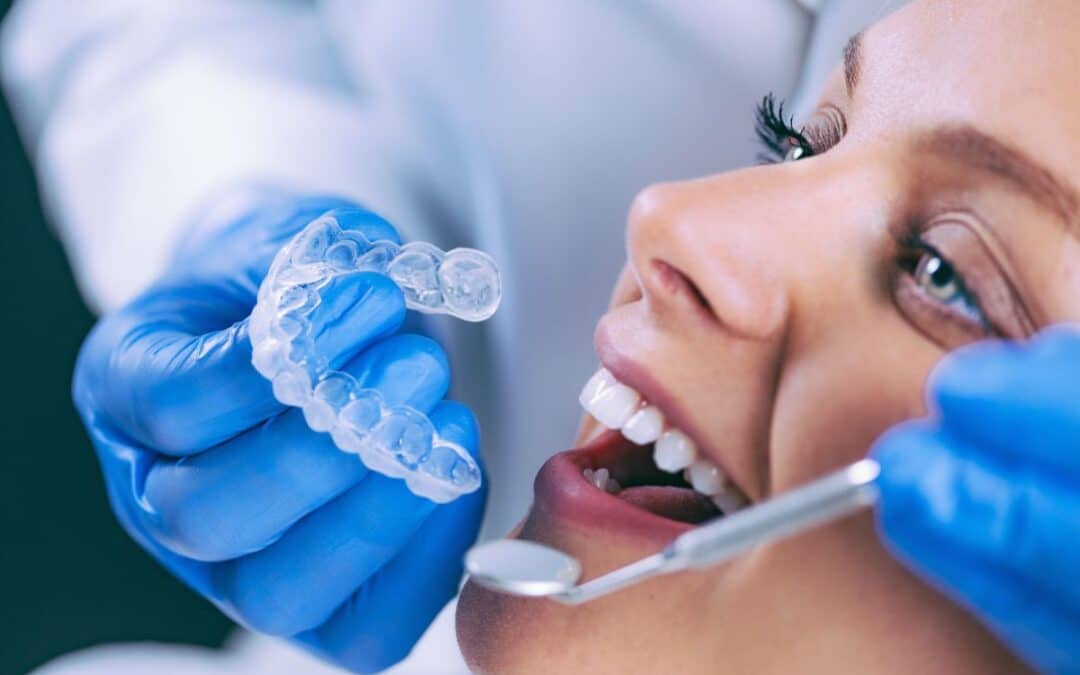
An overbite can affect your smile and daily life in subtle ways. Many people notice their upper teeth overlapping the lower ones more than usual. This common issue often leads to questions about comfort, chewing, and long-term dental health. Fortunately, modern options exist to address it discreetly. Let’s explore effective approaches that skip the metal wires.
Understanding Overbite Basics
Overbites happen when upper teeth extend too far over the lower ones. Genetics play a big role. Habits like thumb-sucking in childhood can worsen it. Jaw growth issues may contribute too.
Mild cases might not cause problems. Severe ones can lead to jaw pain or uneven tooth wear. Speech challenges sometimes arise. Early detection helps prevent complications.
Dentists measure overbite depth in millimeters. Normal range is 2-3 mm. Anything over 4 mm often needs attention. Self-checks involve looking in a mirror. Professional exams confirm severity.
Common Concerns About Overbite Treatment
People worry about visible changes during correction. Discomfort is another fear. Many ask if treatment disrupts eating or speaking.
Time commitment varies. Results depend on age and case complexity. Adults can achieve great outcomes too. Consistency matters most.
Some fear permanent fixes. Reversible methods ease this concern. Lifestyle impacts success. Good oral hygiene supports progress.
Non-Traditional Treatment Options
Several methods fix overbites without metal brackets. Clear aligners lead the pack. They shift teeth gradually.
Retainers work for minor adjustments. Nighttime wear often suffices. Palatal expanders widen upper jaws in growing patients.
Myofunctional therapy trains tongue and facial muscles. Exercises improve posture and bite. It’s non-invasive and supportive.
For skeletal issues, headgear might help. It’s worn at home. Combined approaches yield better results.
The Role of Clear Aligners in Overbite Correction
Clear aligners offer a popular choice. They are removable and nearly invisible. Custom trays fit snugly over teeth.
Treatment starts with digital scans. Plans map tooth movements. Aligners change every 1-2 weeks.
They apply gentle pressure. This realigns teeth and jaws. Attachments sometimes enhance grip.
Wear time is 20-22 hours daily. Remove for meals and cleaning. Compliance ensures timely results.
Many see improvements in 6-18 months. Follow-ups track progress. Adjustments keep things on course.
Benefits of Aligners Over Traditional Methods
Aligners blend into daily life. No food restrictions apply. Brushing remains easy.
Comfort levels are high. Smooth plastic avoids irritation. Aesthetics appeal to adults and teens.
Predictable outcomes come from advanced planning. Software simulates final smiles. This builds confidence.
Maintenance is straightforward. Clean with lukewarm water. Avoid hot drinks to prevent warping.
Potential Challenges and How to Overcome Them
Some experience initial soreness. It fades quickly. Over-the-counter relief helps.
Aligners require discipline. Forgetting to wear them delays progress. Set reminders.
Speech may lisp at first. Practice speaking aloud. Adaptation happens fast.
Lost aligners need quick replacements. Contact your provider promptly. Backups prevent setbacks.
Regular check-ins address issues early. Open communication ensures smooth sailing.
If you’re seeking invisalign treatment in Whitehouse, TX, local experts can guide you through the process seamlessly.
Trending FAQs on Overbite Treatment
Here are some frequently asked questions based on what people often search for on Google:
- Can clear aligners fix a severe overbite? For mild to moderate cases, yes. Severe ones may need additional tools like elastics. Consult a specialist for assessment.
- How long does it take to correct an overbite without braces? Typically 6-24 months. Factors include severity and adherence. Younger patients often see faster results.
- Is overbite correction painful? Mild discomfort occurs initially. It lessens as you adjust. Aligners are gentler than wires.
- Can adults fix an overbite without surgery? Absolutely. Non-surgical options work well for many. Age isn’t a barrier with modern techniques.
- What happens if an overbite goes untreated? It can cause tooth wear, jaw strain, or TMJ issues. Early intervention prevents escalation.
Success Rates of Overbite Treatments
Here’s a table summarizing key statistics on treatment success from reliable studies:
| Treatment Method |
Success Rate (%) |
Notes on Effectiveness |
| Clear Aligners (e.g., Invisalign) |
33-60 |
Achieves about half of planned overbite reduction; best for mild cases. |
| Fixed Appliances |
80-93 |
High for positive overbite post-treatment; includes extractions in some. |
| Orthognathic Surgery |
90+ |
Most effective for severe skeletal issues; higher than non-surgical. |
| Myofunctional Therapy |
40-70 |
Supportive; improves with combined orthodontic care. |
These figures highlight that while clear aligners are effective, outcomes vary by case.
Preparing for Your Treatment Journey
Start with a thorough exam. X-rays reveal jaw structure. Impressions or scans create models.
Discuss goals openly. Understand timelines. Ask about daily routines.
Home care includes regular brushing. Floss daily. Use provided cleaners.
Track progress with photos. Celebrate small wins. Patience pays off.
Support from family helps. Share experiences. Stay positive.
Lifestyle Tips for Better Results
Maintain balanced nutrition. Chew evenly. Avoid hard foods initially.
Posture affects jaw alignment. Sit upright. Sleep on your back.
Quit habits like nail-biting. They hinder progress. Stress management aids compliance.
Exercise facial muscles. Simple yawns strengthen jaws. Consistency enhances outcomes.
Follow provider advice. Attend all visits. Adjustments optimize treatment.
Long-Term Maintenance After Correction
Retainers preserve results. Wear as directed. Nighttime use often suffices long-term.
Routine cleanings prevent issues. Monitor for shifts. Early tweaks maintain alignment.
Healthy habits sustain smiles. Brush twice daily. Limit sugary snacks.
Periodic check-ups catch changes. Vigilance ensures lasting success.
If you are searching for an orthodontist near you, consider options that prioritize personalized care in a welcoming environment.
Your journey to a balanced bite starts with informed choices. Explore these methods to find what suits you best.
Embrace the change for a confident smile. Remember to schedule an appointment today and take that first step toward transformation.