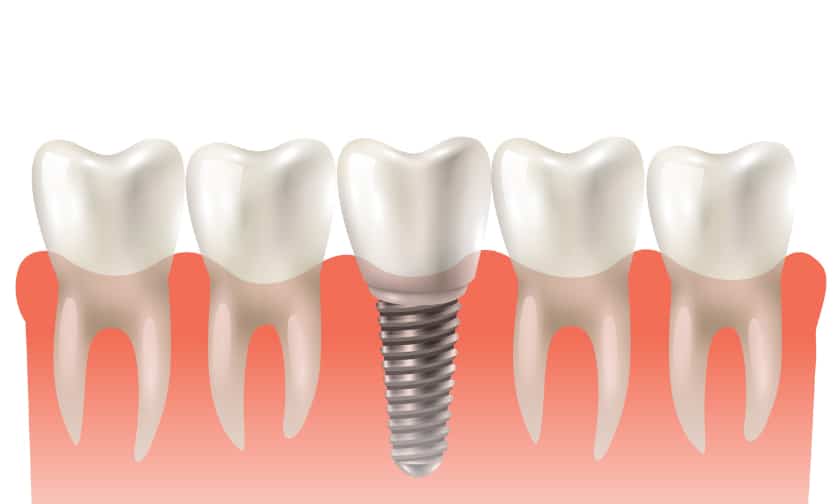
Are you considering getting a dental implant? Implant dentistry is a field of dentistry that has become increasingly popular in recent years, as it provides an effective way to replace missing or damaged teeth. Implant dentists are trained professionals who specialize in the placement and restoration of dental implants. In this article, we will be discussing what you need to know about dental implants before getting one. We’ll cover the basics of implant dentistry, the different types of implants available, how they work, potential risks and complications associated with them, and answer some common questions about implant treatments.
Implant Dentistry Basics
Implant dentistry is a form of restorative dentistry which involves restoring lost or damaged teeth with artificial substitutes. Implant dentists are dental professionals who specialize in the placement and restoration of implants. Implant dentistry can be used to replace a single tooth, multiple teeth, or an entire set of teeth. Implant dentists use a variety of methods to ensure that the implant is securely attached to the patient’s jawbone and gums.
Types of Implants
There are two primary types of dental implants available: endosseous implants and subperiosteal implants. Endosseous (root form) implants are designed to mimic the root structure of natural teeth and are surgically placed into the jawbone. Subperiosteal implants, on the other hand, are placed on top of the jawbone and use metal posts to hold the implant in place.
Implant Procedure
The implant procedure typically involves several stages, including examination, preparation, placement and restoration. During the examination stage, your dental professional will assess your oral health and discuss potential risks associated with implant treatments. They may also take X-rays or CT scans of your mouth to evaluate the structure of your jawbone. The next step is preparation, which includes cleaning and shaping the area where the implant will be placed. Implant placement is a surgical procedure that requires anesthesia to minimize discomfort. Your dentist will then attach a post to the implant before covering it with a protective material such as bone grafting material or tissue. Implant restoration is the final step, which typically includes placing a crown or bridge on top of the implant to complete the restoration.
Risks and Complications
As with any medical procedure, there are potential risks and complications associated with dental implants. These may include infection, nerve damage, sinus problems, bone loss in the jawbone and rejection of the implant by your body. Your dentist will be able to discuss these risks with you in greater detail before proceeding with the implant treatment.
Implant Care and Maintenance
Once your implant is placed, it is important to take proper care of it to ensure its longevity and function. It’s important to brush twice daily and floss at least once per day. Additionally, you should visit your dentist regularly for routine checkups and cleanings to ensure that the implant is healthy and functioning properly.
Cleaning Implant Teeth
Cleaning implant teeth is similar to cleaning natural teeth; however, it is important to use special care when flossing around the implant as the threads of the post can become damaged or loosened if not handled with care. Your dentist may recommend a special type of interdental brush designed specifically for cleaning implants. In addition, certain products such as water flossers and ultrasonic cleaners can also be used for effective cleaning of implants.
Implant-friendly Diet
In addition to proper cleaning, it’s important to maintain a healthy diet to keep your implant strong and healthy. Implant-friendly foods such as lean proteins, fresh fruits and vegetables, whole grains and dairy products can help ensure optimal dental health. Avoiding hard or sticky foods such as candy and nuts is also important, as these can damage the implant or loosen the post.
Regular Checkups
Visiting your dentist regularly for checkups is just as important for implants as it is for natural teeth. During these visits, your dentist will inspect the condition of the implant and make any necessary adjustments to ensure that it remains in good condition. If any problems are detected early on, they can be addressed quickly before they become more serious.
Dental implants are a great option for those seeking to replace missing teeth. Implant dentistry has advanced significantly over the years, making it a safe and effective treatment that can provide long-term results. The procedure itself may involve several stages and carries certain potential risks; however, proper care and maintenance of your implants can help ensure their durability and longevity. Your dentist will be able to provide you with more information about implants and discuss any concerns you may have prior to starting treatment.
FAQs
Q: Can dental implants last a lifetime?
A: With proper care and maintenance, dental implants can last many years or even a lifetime in some cases. However, periodic checkups with your dentist are important to ensure that the implant is functioning properly and to make any necessary adjustments.
Q: How long does it take for a dental implant to heal?
A: Healing time varies from person to person; however, on average, it takes about 3-6 months for a dental implant to fully heal and integrate with the surrounding bone. Your dentist will be able to provide you with more information regarding healing times specific to your case.
Q: Are there any foods I should avoid after getting an implant?
A: To protect the integrity of your implant, it’s best to avoid hard or sticky foods such as candy and nuts. It’s also important to maintain a healthy diet, including lean proteins, fresh fruits and vegetables, whole grains, and dairy products.