
by 110 Dental & Orthodontics | May 25, 2023 | Crowns, Dental Care, Dental Health
Are you tired of the discomfort and inconvenience that comes with traditional dental crowns and bridges? Well, there’s good news! Digital dentistry is changing the game when it comes to restorative dental procedures. With advanced technology, digital dentistry offers a more efficient and comfortable experience for patients undergoing crown and bridge treatments. Let’s dive in!
What Is Digital Dentistry?
Digital dentistry is a term used to describe the use of advanced technology in dental procedures. This involves the replacement of traditional tools with digital devices, such as computer-aided design (CAD) and computer-aided manufacturing (CAM).
With digital dentistry, dental professionals can create accurate 3D representations of patients’ teeth using intraoral scanners. These scans are then used to design and manufacture restorations like crowns and bridges. The use of this technology has revolutionized the way these treatments are done by creating more precise measurements, reducing discomfort for patients, and improving overall treatment outcomes.
In addition to increasing precision in treatment planning, digital dentistry has also improved communication between dental professionals. With digital imaging systems that allow for easy sharing of patient information across different platforms, it’s now much easier for specialists like orthodontists or periodontists to work together on complex cases.
Digital dentistry offers many benefits over traditional methods including greater accuracy in diagnosis and treatment planning, increased comfort during procedures for patients, improved communication between providers – all leading to better oral health outcomes for those seeking restorative care.
Benefits Of Digital Dentistry
Digital dentistry has revolutionized the way dental treatments are performed. It offers numerous benefits that traditional methods cannot match. Here are some of the advantages you can enjoy if you choose digital dentistry for your crowns and bridges.
Accuracy: With digital scans, a dentist can create a highly accurate model of your teeth, providing better fitting crowns and bridges.
Efficiency: The use of technology reduces the amount of time it takes to produce custom restorations by creating them in-house with specialized software and hardware.
Comfort: Digital impressions eliminate the need for messy impression materials, making it more comfortable for patients during their dental appointments.
Cost-effective: Although there is an upfront investment in equipment costs for clinics, digital dentistry saves money over time since fewer visits are required due to greater accuracy leading to reduced corrections required.
Eco-friendly: With less waste generated from traditional impression materials and disposable items used in labs, there is much less impact on our environment which means that digital dentistry is also sustainable!
Types Of Crowns And Bridges
When it comes to crowns and bridges, there are a few different types available depending on your needs. The most common type of crown is made from porcelain fused to metal, which provides both durability and an aesthetically pleasing appearance.
For those who prefer a more natural look, all-ceramic or all-porcelain crowns can be used instead. These options have become increasingly popular in recent years due to their ability to blend seamlessly with the surrounding teeth.
Another option for tooth replacement is a bridge, which can be supported by either natural teeth or dental implants. Traditional bridges are anchored by the two adjacent teeth using crowns, while implant-supported bridges use dental implants as support instead.
Each type of crown and bridge has its own advantages and disadvantages that should be discussed with your dentist before deciding on the best option for you. By working together with your dentist and utilizing digital dentistry techniques, you can achieve optimal results that meet both your functional needs and aesthetic preferences.
Precautions To Take When Getting Dental Crowns and Bridges
When getting dental crowns or bridges, there are a few precautions that you should take to ensure the best possible outcome. First and foremost, make sure that your dentist is experienced in placing crowns and bridges. Ask for referrals from friends or family members who have had successful procedures done.
It is important to maintain good oral hygiene before and after the procedure. Brushing twice a day and flossing regularly can help prevent gum disease which can lead to further complications with your crown or bridge.
Be cautious when eating hard or sticky foods as they may damage your restoration. Chewing on ice, popcorn kernels, or using your teeth as a tool can also cause damage.
If you experience any discomfort after the procedure such as pain while biting down, sensitivity to hot or cold temperatures, contact your dentist right away.
Attend regular check-ups with your dentist so they can monitor the health of your restoration over time.
By taking these precautions when getting dental crowns or bridges, you will be able to enjoy a healthy smile for years to come!
The Bottom Line
Digital Dentistry has revolutionized the way crowns and bridges are created and installed. It offers numerous benefits such as accuracy, speed, convenience, and comfort for patients. With the use of advanced technology like CAD/CAM systems and 3D printers, dental professionals can now create customized restorations that perfectly fit a patient’s oral cavity.
However, it is still important to take precautions when getting dental crowns or bridges to ensure their longevity. Regular check-ups with your dentist can help monitor their condition and address any issues before they worsen.
Digital dentistry has paved the way for more efficient and effective dental treatments that benefit both patients and practitioners alike. If you’re looking into getting crowns or bridges in the future, consider choosing a dentist who utilizes digital dentistry techniques to experience its many advantages firsthand.
by 110 Dental & Orthodontics | Dec 1, 2021 | Dental Health
The holidays are coming and going and it’s that time of year again! Time to choose your goals to make the new year your best yet. Let’s talk about New Year’s resolutions for dental health so you can set goals that you are sure to finish.
Daily Dental Care
When planning your New Year’s resolutions for dental health, it can be helpful to break them down into specifics to make them easier to track. For example, if your resolution is better oral hygiene, what does that look like for your daily dental care routine?
We suggest making simple and achievable goals like brushing your teeth for a full 2 minutes each brushing session and flossing daily. These are both specific and easy steps towards better oral hygiene that only take a few minutes out of your busy schedule.
Improving Your Smile
Of course, practicing better oral hygiene will improve your smile, but if you want to take things to another level, it makes sense to make some New Year’s resolutions for dental health that involve additional steps such as whitening treatments.
Some over-the-counter treatments are more effective than others so if you’re going that route it can be helpful to talk with your dentist about your goals so that they can point you in the direction of the treatment that will best suit your lifestyle and desired results. They can also offer professional whitening treatments for ensured results and safety.
Working with Your Dentist
Many people make New Year’s resolutions for their health that prove to be difficult to maintain long term, but have found success with the help of personal trainers or coaches at gyms and fitness centers. It may be helpful to think of your dentist like a coach for your dental health and call on them for support in planning and achieving your New Year’s resolutions for dental health.
Similar to a fitness coach, your dentist can offer expert analysis of your current dental health as well as the steps needed to get to the ultimate results you want to see. They may suggest tools to help such as dental apps to track and provide encouragement as you develop new habits. Like a trainer, your dentist can also support and celebrate your progress when you get regular dental cleanings and exams. Your resolutions are achievable and your dentist is here to help!
Call our Whitehouse dental office to make an appointment with a dentist who may be able to help you find out more about this topic, and improve your oral health.

by 110 Dental & Orthodontics | Nov 1, 2021 | Dental Health
Holidays often involve traveling to gather with friends and family to celebrate. This can be one of the best things about the holidays, but at the same time it’s not always easy. Traveling can make keeping up with your routines more challenging. Here are some great tips and tools for caring for your dental health while traveling.
Packing for Your Trip
If you want to make caring for your dental health while traveling easier, it’s important to make sure that you have the right tools. It can be helpful to make a detailed packing list before you start to pack.
Of course, your toothbrush and toothpaste should be on that list, but if you’re traveling with family it can also be a good idea to buy a few extras to bring just in case somebody forgets theirs while preparing for a holiday trip.
Dental picks, floss picks and travel-sized mouthwash are all useful items to pack as well when traveling. They can be great for when you want to clean your teeth after a holiday snack, but may not have a lot of time to dedicate to brushing and flossing thoroughly just yet. They can also help when you get something stuck in your teeth or if you snack on something that contains onion or garlic and just want a quick refresh.
Snacking on the Road
Caring for your dental health while traveling isn’t just about cleaning your teeth, it’s also good to be mindful about what you’re eating, too. If you get to choose what snacks and drinks your family consumes, try to choose options that are sugar-free or low in sugar, high in fiber and that won’t leave behind a sticky residue or food particles caught in between teeth.
Fresh, crunchy fruits and veggies like apples, carrots, celery and strawberries or hard cheese are all great, natural, and healthy snacks that can help to keep your family’s teeth clean while providing nourishment.
Maintaining Routines
While hitting the road for the holidays can be a great break from many routines like work and school, it’s important to keep up the routines that are vital to your wellbeing like caring for your dental health while traveling. If you’re traveling as a family, it can help to set aside some time every morning and night to ensure that everybody brushes and flosses. Traveling during the holidays should be fun and maintaining good dental health can help give you peace of mind so that you can focus on the important time spent with family and friends.
Call our Whitehouse dental office to make an appointment with a dentist who may be able to help you find out more about this topic, and improve your oral health.
by 110 Dental & Orthodontics | Oct 1, 2021 | Dental Health
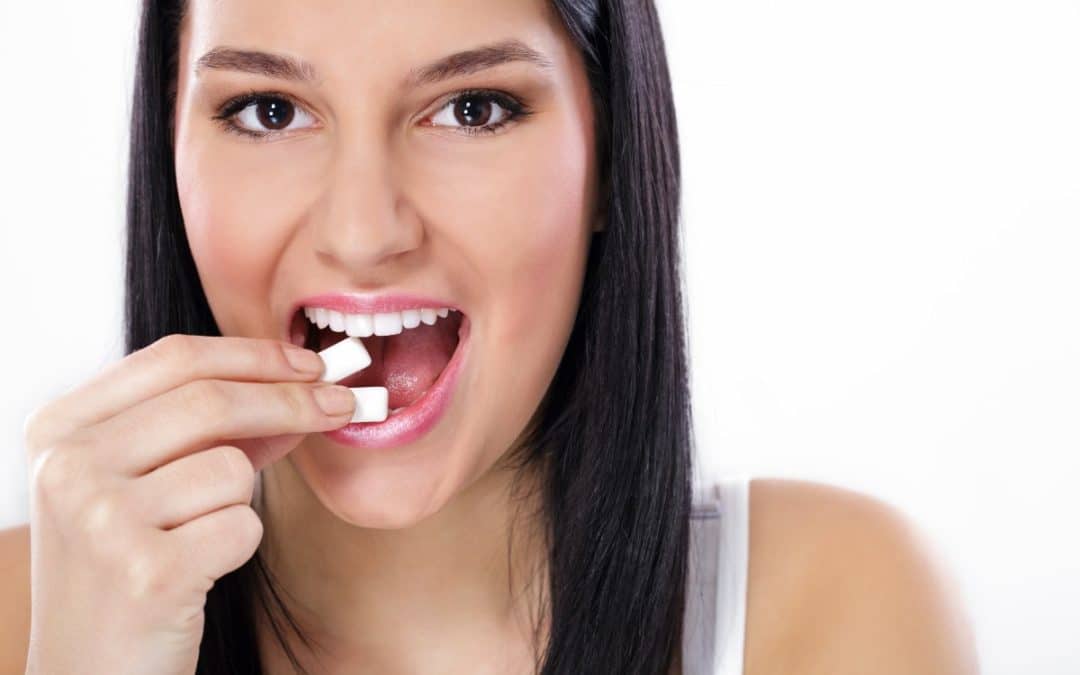
It’s a common habit for a lot of us: When you want to freshen your breath, pop a stick of chewing gum in your mouth. The minty freshness feels good, but is gum good for your teeth or can it cause problems? Read on to learn the pros and cons of chewing gum.
Where Did the Idea Come From?
You may have wondered, where did the idea of chewing gum come from? Chewing gum has actually been around since ancient times when people made it from natural tree saps. Modern chewing gum is typically made of synthetic materials, but the concept is still the same, and it’s still popular. But popular doesn’t always mean healthy, so is gum good for your teeth?
Ingredients Matter
Some gums contain natural sugar as part of their flavoring and sugar can put your teeth at an increased risk for cavities. This is because sugar feeds the bacteria that naturally occurs in your mouth, which produces an acid that can lead to erosion of your enamel or the outer layer of your teeth.
So when selecting chewing gum, make sure to check for the words “sugar-free” on the packaging. Sugar-free gums contain alternative sweeteners that are typically less harmful for your teeth.
Even better, if you can find a gum that contains xylitol as the sweetener. Xylitol is a special sweetener that has been shown to change the pH balance of your mouth over time and help to reduce the bacteria and acid in your mouth as well as its ability to adhere to your teeth.
It Helps with Dry Mouth, Too!
Chewing gum can also be good for your teeth for another reason. The action of chewing can stimulate saliva flow in your mouth. This is a positive because saliva is your body’s natural defense system against cavities. Dry mouth is a big culprit in putting teeth at a higher risk of cavities, but increased saliva flow, especially if you chew gum after a meal, can help your saliva to do its job of neutralizing and washing away acids and residue from your teeth and gums.
Practicing Oral Hygiene with Chewing Gum
The answer to the question, “Is gum good for your teeth?” can be a complicated one, because it depends on which gum you choose. And of course, brushing and flossing your teeth is still vitally important to maintaining your dental health, but when you can’t brush your teeth right away after a meal, chewing gum with the right ingredients can help in the meantime.
If you’re wanting to find a gum that is good for your teeth, talk to your dentist about what you’re looking for in a chewing gum and ask if there are any types of gum they may recommend to you that can also benefit your dental health.
Call our Whitehouse dental office to make an appointment with a dentist who may be able to help you find out more about this topic, and improve your oral health.

by 110 Dental & Orthodontics | Aug 2, 2021 | Dental Health
It’s time to hit the road, relax and forget about your responsibilities at home. Some routines are important to keep even while on vacation, though, so don’t let your dental health be forgotten in all the fun and busyness of traveling. Here are some dental health travel tips to help make it easier to stay on top of your oral hygiene while on the road.
What to Pack
A toothbrush and toothpaste are the obvious essentials, but it can be helpful to buy a couple of extra travel sized ones to keep in your purse or backpack for when it’s a hassle to access your larger luggage. It’s also always a good idea to have extras on hand while traveling in case a toothbrush gets lost or somebody forgets theirs.
Some Hacks for the Road
Dental picks and a travel-sized bottle of mouthwash are also travel must-haves. Both are great for when you’re on the go and don’t have access to clean water or time for a thorough floss, but want to clean and refresh your mouth as much as possible until you get to a place where you can brush and floss. Keep a few on hand in your purse and car so they are always handy wherever you need them.
How to Snack
Snacking on the road can be a major culprit in developing cavities while traveling. At home, it’s easy to remember to brush your teeth after each meal, but away from home it can feel a lot more complicated to stay consistent with oral hygiene. So how you snack can be even more important than usual when you’re on the road.
Try to choose snacks that are low in sugar or sugar-free, high in fiber and that don’t leave behind sticky food particles or residue. Fresh fruits and veggies such as apples, carrots or strawberries are all great choices that can actually help to clean your teeth and promote saliva production thanks to their added crunch factor.
Foods high in calcium and other vitamins and minerals like cheese, yogurt or fresh greens can also be a great option because they help to provide the nourishment your teeth need to stay healthy and strong.
Before You Go
Last but not least, one of the most helpful dental health travel tips is simply to schedule an appointment with your dentist before you travel. Taking preventative steps is often your best bet at avoiding dental problems while on the road because your dentist can help to spot any issues early on. Plus, it can save you the hassle of having to find an emergency dentist while in an unfamiliar place.
It will also give you the chance to ask your dentist for any dental health travel tips they’d recommend to you personally. Traveling should be fun and you shouldn’t have to take time away to worry about your dental health while on vacation.
Call our Whitehouse dental office to make an appointment with a dentist who may be able to help you find out more about this topic, and improve your oral health.

by 110 Dental & Orthodontics | Apr 1, 2021 | Dental Health
When you’re feeling under the weather, it can be difficult to feel like doing much more than snuggling in bed. Everyday tasks like brushing your teeth just seem to take twice the effort and twice as long as usual. The last thing you want to worry about is taking cough syrup and its effect on your oral health when you’re already feeling achy, feverish and stuffy. Fortunately, there are some simple and easy things you can do that can make a big difference when you’re sick.
Choose Sugar-Free
When choosing over the counter remedies, it’s important to choose products without ingredients that can harm your oral health. Sugary cough drops and cough syrup and your teeth are a bad combination because the sugary residue can linger and interact with the saliva in your mouth to cause tooth decay. If possible, make sure to choose sugar-free options that will be easier on your teeth, especially if you’re not feeling well enough to complete your normal oral hygiene routine.
If a Product Contains Sugar
Perhaps you’re facing a medicine cabinet full of sugar-containing cough syrup and your teeth are important to you, but you want relief! Sometimes it’s not always possible to avoid sugar in products. If you find yourself in this kind of situation, don’t fret too much! Even with less than the best options, you can still limit the negative effects and get much needed relief from your symptoms. After you take the medication or use a cough drop that contains sugar, just make sure to brush your teeth and rinse well to wash away any residue.
Some Other Tips for When You’re Sick
Dental hygiene when you’re sick goes well beyond cough syrup and your teeth. Being sick, especially if you’re congested, can cause you to breathe through your mouth instead of your nose which can lead to dry mouth. Decongestants and other medications can also reduce the body’s production of saliva which can further exacerbate the problem. Dry mouth might not seem like a big deal, but saliva is your body’s natural defense system against cavity-causing bacteria, so it’s crucial to your dental health. Drinking lots of extra fluids can help, just make sure to choose liquids that don’t contain sugar and won’t stain your teeth. Water, broth, herbal tea without sugar, and electrolyte-containing drinks are all great options.
It can also be helpful to gargle with salt water if you’re experiencing a cough or sore throat. Salt water has natural cleansing and healing properties that can help reduce bacteria and soothe tenderness in the throat or dry mouth. To create a salt water rinse, mix 1 tablespoon of salt in a glass of warm water and rinse your mouth repeatedly until you’ve used up all of the solution, being careful not to swallow it.
Oral Hygiene and Your Immune System
Dental health is the last thing on most people’s minds when they are sick, just getting through each day requires so much extra effort! But good oral hygiene can help keep your immune system strong and focused on fighting off viruses and infection that come from outside your body. With just a few simple and easy choices, you can also help protect your teeth from cavities during sickness.
Call our Whitehouse dental office to make an appointment with a dentist who may be able to help you find out more about this topic, and improve your oral health.
