Have you ever bitten into something and felt a sharp twinge in a tooth that was fixed years ago? It’s frustrating when old dental work starts causing trouble. Many people face this issue, wondering if simple discomfort signals a bigger problem. This post dives into what happens when fillings go wrong and whether more advanced care is needed. We’ll cover symptoms, causes, and steps to take, helping you make informed choices for your smile.
Understanding Failed Fillings
Fillings repair cavities by sealing off decayed areas. They restore function and prevent further damage. Over time, though, they can weaken. Daily wear from chewing plays a role. Poor oral habits speed up the process. Bacteria sneak in through tiny gaps. This leads to new decay beneath the surface.
Causes vary widely. Cracks form from temperature changes in food. Grinding teeth at night adds stress. Even age affects durability. Metal types expand and contract, creating micro-fractures. Composite ones might shrink if not placed perfectly. Infection spreads if the original cavity was deep.
In East Texas communities, dentists see these issues often due to local diets high in sweets. Regular checkups catch problems early. Ignoring them risks deeper involvement. That’s when nerves inside the tooth get irritated.
Signs Your Filling Has Failed
Watch for persistent pain. It might throb after eating hot or cold items. Sensitivity lingers longer than usual. Swelling around the gum line appears. A bad taste signals infection.
Visible changes matter too. The tooth darkens or shows lines. Food gets stuck more easily. Loose feelings when biting down occur. Sometimes, no symptoms show until a routine exam.
X-rays reveal hidden decay. Dentists spot shadows under the material. Pus or abscesses form in severe cases. Don’t wait for extreme discomfort. Early signs save teeth from worse outcomes.
When Does a Failed Filling Require Further Treatment?
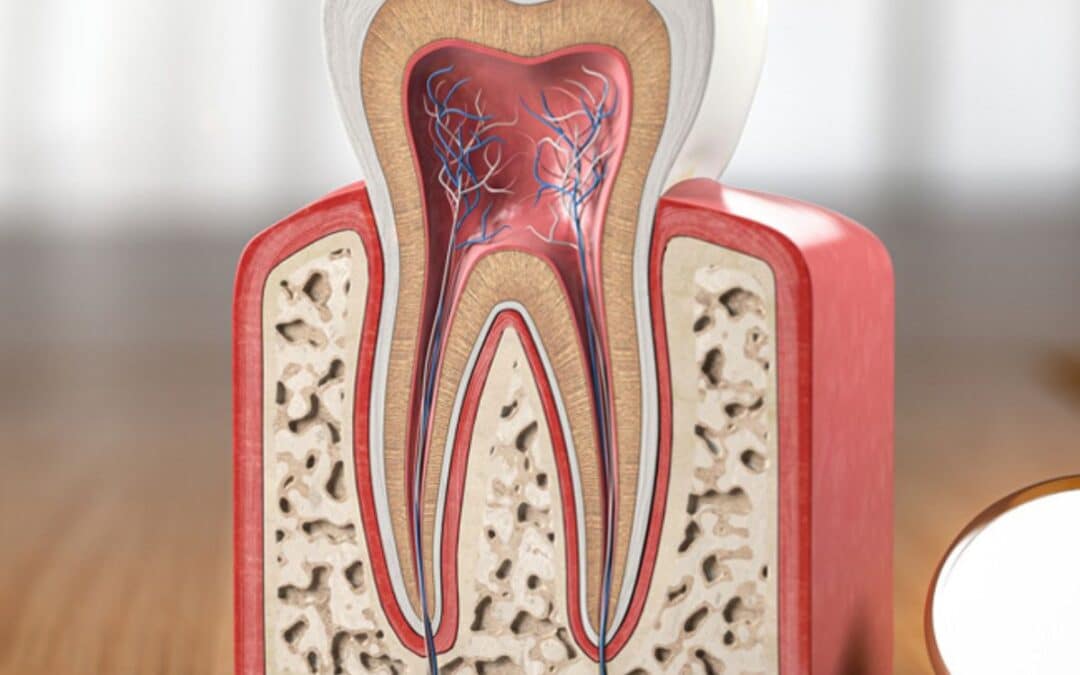
Not every issue needs drastic steps. Small cracks get refilled quickly. But if decay reaches the pulp, options change. The pulp holds nerves and blood vessels. Infection here causes intense pain.
Bacteria thrive in enclosed spaces. They inflame tissues inside. Without intervention, abscesses develop. This spreads to nearby areas. Saving the tooth becomes priority.
Professionals assess depth and spread. They use tools to check vitality. If unresponsive, treatment shifts. Root canal therapy in Whitehouse, TX, addresses these exact scenarios by cleaning out infected parts.
The Root Canal Procedure Explained
This process saves natural teeth. It starts with numbing the area. A small opening accesses the interior. Infected pulp gets removed carefully.
Canals are cleaned and shaped. Special files ensure thoroughness. Medicated material fills the space. A seal prevents re-entry of germs.
Often, a crown follows for strength. The whole visit takes one or two sessions. Modern techniques make it comfortable. Recovery involves mild soreness, managed with over-the-counter relief.
Benefits of Addressing the Issue Promptly
Acting fast preserves your bite. It stops pain from worsening. Natural teeth function better than replacements. Chewing stays efficient.
Infection control protects overall health. Untreated problems link to systemic issues. Heart and joint concerns arise rarely but seriously.
A treated tooth lasts years with care. It blends seamlessly. Confidence in smiling returns. Daily life improves without constant worry.
Trending FAQs on Failed Fillings and Root Canals
People often search for answers online. Here are some common questions based on frequent Google queries, with clear responses.
- What are the signs I need a root canal after a filling? Look for ongoing pain, swelling, or sensitivity. If decay has spread inward, these symptoms emerge. A dental exam confirms it.
- Why do fillings fail over time? Wear, cracks, or poor bonding allow bacteria in. Habits like grinding accelerate this. Regular maintenance helps prevent it.
- Can a root canal fix a failed filling? Yes, if infection reaches the pulp. It removes damaged tissue and seals the tooth. Success rates are high with proper follow-up.
- How long does recovery take after a root canal? Most feel better in a few days. Avoid hard foods initially. Full healing occurs within a week.
- Is a root canal painful? Modern anesthesia makes it similar to a filling. Post-procedure discomfort is minimal and temporary.
These address top concerns from searches on the topic.
Key Statistics on Dental Restorations
Data helps put things in perspective. Here’s a table showing relevant stats from studies on fillings and root canals.
| Restoration Type | Average Longevity | Failure Rate | Success Rate |
|---|---|---|---|
| Dental Fillings | 5-15 years | 1-4% annually | 85-95% |
| Root Canals | Lifetime with care | Less than 10% | Over 95% |
| Crowns After Treatment | 10-20 years | 3-5% annually | 90-95% |
These figures come from dental research, highlighting reliability when done well.
Prevention Strategies for Long-Lasting Dental Work
Brush twice daily with fluoride. Floss to remove hidden debris. Use mouthwash for extra protection.
Schedule cleanings every six months. They spot early wear. Avoid sugary snacks that feed bacteria.
Wear a night guard if you grind. It reduces pressure. Stay hydrated to maintain saliva flow.
Healthy habits extend restoration life. They keep minor issues from escalating.
If you’re noticing odd sensations in a previously filled tooth, it’s wise to get checked. Our team is here to guide you through options in a relaxed setting. Feel free to contact us for a consultation that fits your schedule.
In the end, tackling dental concerns head-on leads to lasting comfort. Your teeth deserve attention that keeps them strong. Stay proactive, and enjoy a pain-free smile for years ahead.