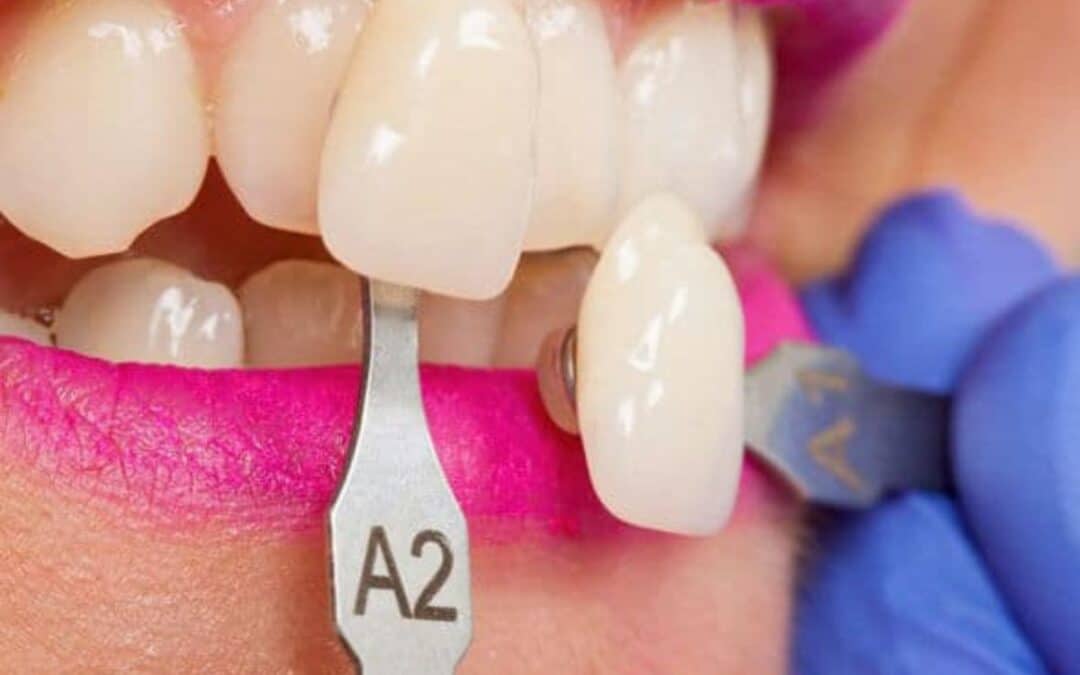
Have you ever caught yourself hiding your smile in photos because of stubborn stains on your teeth? You’re not alone. Many people deal with tooth discoloration that affects their confidence in everyday situations, like chatting with friends or speaking at work. The good news is modern dentistry offers effective ways to brighten things up. In this post, we’ll explore one popular solution that can give you a fresh, natural-looking grin.
Understanding Tooth Discoloration
Tooth discoloration comes in two main types. Extrinsic stains sit on the surface from foods, drinks, or smoking. Intrinsic stains go deeper into the enamel due to factors like medications or aging.
Common causes include coffee, tea, red wine, and tobacco. Some people face discoloration from fluoride exposure or trauma. These issues can make teeth look yellow, brown, or gray.
Whitening treatments work for mild cases. But severe discoloration often needs more advanced options. That’s where cosmetic procedures step in to restore appearance.
What Are Dental Veneers?
Dental veneers are thin shells that cover the front of teeth. They mimic natural enamel in look and feel. Porcelain veneers resist stains well. Composite ones use resin material for quicker application.
These shells bond directly to teeth. They hide imperfections like chips or gaps too. Many choose them for a uniform smile makeover.
Porcelain options last longer due to durability. They reflect light like real teeth. Composite veneers suit minor fixes and can be repaired easily.
How Veneers Address Discolored Teeth
Veneers work by masking stains completely. A dentist prepares the tooth surface lightly. Then, they attach the custom shell.
This covers even deep intrinsic discoloration. Whitening can’t always reach those. Veneers provide a barrier against future stains.
The color matches surrounding teeth perfectly. Labs craft them for a seamless fit. Patients see immediate results after placement.
In areas like East Texas, locals often seek these treatments for lasting brightness. For instance, veneers in Whitehouse, TX, help many regain their sparkle amid busy lifestyles.
The Veneer Application Process
It starts with a consultation. Your dentist examines teeth and discusses goals. They take impressions for custom design.
Next comes preparation. A small enamel layer gets removed. This ensures a snug fit without bulkiness.
Temporary veneers protect teeth while waiting. The final ones bond using special adhesive. Light cures the bond for strength.
Follow-up adjusts for comfort. The whole process takes two to three visits usually.
Benefits Beyond Discoloration
Veneers do more than hide stains. They strengthen weakened teeth. This helps with minor alignment issues too.
For those with wear from habits, they restore shape. Veneers for teeth grinding offer protection by rebuilding enamel lost to bruxism, preventing further damage.
They boost self-esteem in social settings. A brighter smile encourages more interactions. Many report feeling more outgoing after treatment.
Potential Drawbacks and Considerations
Veneers aren’t reversible. Enamel removal is permanent. Good candidates have healthy gums and enough enamel.
They may chip if you bite hard objects. Night guards help if grinding is an issue. Regular check-ups maintain them.
Sensitivity can occur initially. It fades as teeth adjust. Choose an experienced provider for best outcomes.
Trending FAQs on Veneers for Discolored Teeth
People often search for answers to common questions about this topic. Here are some frequently asked ones based on popular Google queries, with straightforward responses:
- Do veneers permanently fix discolored teeth? Veneers provide a long-term cover for discoloration, but they’re not indestructible. With proper care, they can last 10-20 years before needing replacement.
- Can veneers be placed on severely stained teeth? Yes, they’re ideal for stubborn stains that whitening skips. They mask deep discoloration effectively for a natural appearance.
- How long do dental veneers last? On average, porcelain veneers endure 10-15 years, while composite ones may need touch-ups sooner, depending on habits like diet or grinding.
- Are veneers better than whitening for discoloration? For mild stains, whitening works fine. But veneers excel at covering permanent or intrinsic discoloration that resists bleaching.
- Can you get veneers if you have crooked teeth? Veneers can improve minor misalignments along with discoloration, but severe cases might need orthodontics first for optimal results.
These address key concerns and help in decision-making.
Veneers Success Statistics
Here’s a quick table with key stats on veneers, drawn from clinical studies. It shows their reliability over time.
| Aspect | Statistic | Insight |
|---|---|---|
| Survival Rate at 5 Years | 96% | Most remain functional without issues. |
| Survival Rate at 10 Years | 93% | High durability with proper care. |
| Success on Vital Teeth | 96% | Better outcomes on healthy teeth. |
| Overall Longevity | 10-20 Years | Depends on material and maintenance. |
These numbers highlight why veneers are a trusted choice.
Maintenance Tips for Lasting Results
Keep veneers shining with daily habits. Brush twice a day with non-abrasive toothpaste. Floss to prevent gum issues.
Avoid staining foods in excess. Use a straw for dark drinks. Quit smoking for better oral health.
Wear a night guard if grinding persists. Schedule cleanings every six months. This extends veneer life.
Touch-ups might be needed over time. Follow your dentist’s advice for personalized care.
If you are searching for a “cosmetic dentist near you“, consider one who specializes in smile enhancements. They can guide you through options tailored to your needs. A quick chat can clarify if veneers suit your situation.
Many find the transformation worthwhile. It opens doors to more confident days. Remember, a healthy smile starts with informed choices.
Ready to brighten your grin? Call 903-328-6577 today to schedule an appointment and discuss your options. Your journey to a radiant smile awaits.