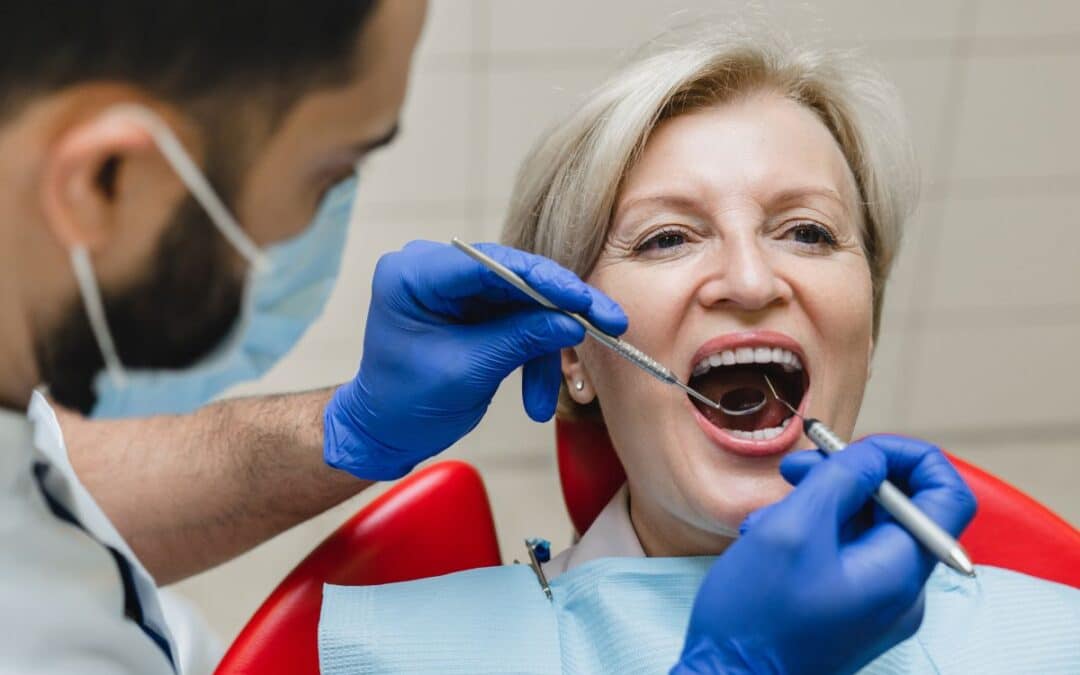
Have you ever bitten into something and felt a sharp pain in your tooth that comes and goes? It might be more than just sensitivity. This could be a sign of cracked tooth syndrome, a condition that often flies under the radar but can lead to serious dental issues if ignored. Many people brush it off as minor discomfort. Yet, it sneaks up and causes bigger problems. In this post, we’ll dive into what it is, why it happens, and how to handle it. Stick around for tips that could save your smile.
What is Cracked Tooth Syndrome?
Cracked tooth syndrome involves an incomplete fracture in a tooth. It often affects molars. The crack starts small and may not show on X-rays. Over time, it worsens with daily use. This makes it hard to spot early. Unlike a full break, it hides below the surface. It can involve the enamel, dentin, or even reach the pulp. Local dentists see this often in adults over 40. Grinding or clenching speeds it up. If untreated, it leads to infection.
The syndrome earns its “sneaky” label for good reason. Pain appears inconsistent. You might feel fine one day and ache the next. Bacteria can enter the crack. This sparks inflammation inside the tooth. Pulp damage follows. That’s when things get serious. Early awareness helps. Knowing the basics empowers you to act fast.
Common Causes of Cracked Tooth Syndrome
Several factors trigger cracked tooth syndrome. Chewing hard foods like nuts or ice is a big one. Large fillings weaken teeth over time. They expand and contract, creating stress. Teeth grinding, or bruxism, adds pressure. Trauma from accidents or sports plays a role too. Age matters as well. Teeth become brittle with years of wear.
In areas like East Texas, locals often report issues from habits like chewing on pens. Restorations from past procedures can contribute. Weakened structure invites cracks. Even temperature changes stress teeth. Hot coffee followed by cold water? That can do it. Avoiding these risks lowers chances. Simple changes make a difference.
Recognizing the Symptoms
Symptoms of cracked tooth syndrome vary. Sharp pain when biting is common. It often hits on release. Sensitivity to hot, cold, or sweet foods signals trouble. Swelling around the gum may appear. Some feel pain that radiates to the jaw. It mimics other issues like sinus problems.
Pain comes and goes, frustrating many. You might notice it more with certain foods. Chewy items worsen it. If the crack deepens, constant ache sets in. Infection brings fever or bad taste. Don’t ignore these signs. They point to deeper damage. Tracking when pain occurs helps during visits.
How Dentists Diagnose Cracked Tooth Syndrome
Diagnosis starts with your history. Tell about pain patterns. Visual checks follow. Dentists look for lines on the tooth. They use tools to highlight cracks. Transillumination shines light through the tooth. It reveals hidden fractures. Bite tests involve chewing on a stick. Pain pinpoints the spot.
X-rays help but may miss small cracks. Advanced imaging like CBCT scans shows more. Dye tests stain the fracture for visibility. These methods confirm the issue. Patience is key during exams. Accurate diagnosis guides treatment. Local practices emphasize thorough checks to catch it early.
Dentists rely on various types of dental exams to uncover these sneaky cracks. Combining them ensures nothing slips by.
The Connection to Root Canal Procedures
Cracked tooth syndrome often leads to root canals. Why? The crack allows bacteria in. This infects the pulp. Inflammation builds. Pain intensifies. Without action, abscess forms. Root canals remove the infected part. They clean the canal and seal it. This saves the tooth.
Studies show many root canals stem from untreated cracks. Survival rates post-treatment reach up to 100%. It preserves natural structure. Alternatives like extraction mean more work later. Understanding this link motivates quick care.
If the fracture extends deep, root canal therapy in Whitehouse, TX, becomes essential. It relieves pain and prevents spread.
Treatment Options for Cracked Tooth Syndrome
Treatment depends on crack severity. Minor ones get bonding. It seals the fracture. Crowns cover and protect larger cracks. They distribute force evenly. If pulp is involved, endodontic care follows. This involves cleaning the inner chamber.
In severe cases, extraction is needed. But saving the tooth is priority. Follow-up includes a crown for strength. Healing takes time. Soft foods aid recovery. Regular check-ups monitor progress. Options focus on function and comfort.
Prevention Tips to Avoid Cracked Tooth Syndrome
Preventing cracked tooth syndrome is straightforward. Wear a mouthguard for grinding. Avoid hard foods. Skip ice chewing. Get regular cleanings. They spot early wear.
Custom night guards help bruxism sufferers. Strengthen teeth with fluoride. Stay hydrated to avoid dry mouth. Address large fillings promptly. These steps reduce risks. Healthy habits pay off long-term.
Key Statistics on Cracked Tooth Syndrome
Here’s a quick look at some eye-opening stats. They highlight why awareness matters.
| Statistic | Value | Source Insight |
|---|---|---|
| Prevalence in dental patients | Nearly 70% have at least one cracked posterior tooth | Common in adults, often asymptomatic |
| Symptomatic cases | 21% of cracked teeth cause pain | Leads to frequent dental visits |
| Most affected tooth | Lower second molar | Due to biting forces |
| Survival rate after root canal | 75.8% to 100% | High success with proper care |
| Incidence trend | Increased over the last decade | Linked to aging populations and habits |
These numbers show cracks are widespread. Early intervention boosts outcomes.
Trending FAQs on Cracked Tooth Syndrome
People often search for answers on this topic. Here are some trending FAQs based on common Google queries, with clear responses.
- What are the symptoms of cracked tooth syndrome? Sharp pain on biting or releasing is key. Sensitivity to temperatures or sweets follows. Pain may come and go.
- Can a cracked tooth heal on its own? No, cracks don’t self-repair. They worsen over time. Professional treatment is essential to prevent infection.
- How is cracked tooth syndrome diagnosed? Through history, visual exams, bite tests, and imaging. Advanced tools like transillumination help spot hidden fractures.
- What happens if you leave a cracked tooth untreated? Infection spreads. This leads to abscess, severe pain, or tooth loss. Prompt care avoids complications.
- Is cracked tooth syndrome serious? Yes, if ignored. It can cause pulp damage and need extensive procedures. Early detection keeps it manageable.
These address top concerns. They guide readers toward informed decisions.
If you’re dealing with unexplained tooth pain, it could be this hidden issue at work. Taking steps now protects your oral health. Remember, a healthy smile boosts confidence. Don’t let a small crack turn into a big problem. Reach out to a dentist near you in Whitehouse, TX, today. Call (903) 328-6577 to schedule an appointment and get the care you need.