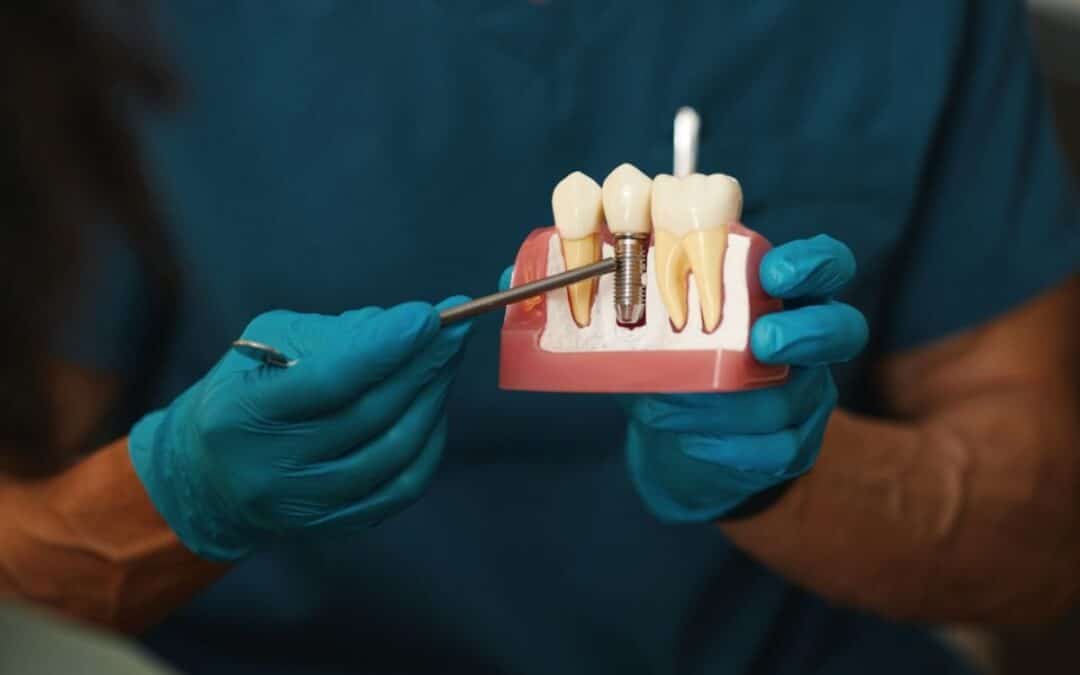
Dental implants have become a go-to solution for replacing missing teeth, offering a natural look and long-lasting functionality. For Whitehouse, TX, residents living with diabetes, the journey to a restored smile can come with unique considerations. This blog will explore how diabetes impacts the dental implant process, what precautions to take, and how to ensure a successful outcome. Let’s dive into the essentials to help you make informed decisions about your oral health.
Understanding Dental Implants and Diabetes
Dental implants are titanium posts surgically placed into the jawbone to act as artificial tooth roots. They support crowns, bridges, or dentures, mimicking natural teeth in both appearance and function. For diabetics, the process can be more complex due to the condition’s effect on healing and infection risk. High blood sugar levels can slow recovery and increase the likelihood of complications like gum disease or implant failure. However, with proper management, many diabetics successfully receive implants. The key lies in controlling blood glucose levels and working closely with your healthcare team.
Can Diabetics Get Dental Implants?
Absolutely, diabetics can get dental implants, but careful planning is essential. Studies, such as those from the American Academy of Implant Dentistry, show that well-controlled diabetics have success rates comparable to non-diabetics, often above 95%. The primary concern is poor glycemic control, which can impair osseointegration, the process where the implant fuses with the jawbone. Uncontrolled diabetes may also heighten the risk of peri-implantitis, a gum infection around the implant. If your A1C levels are stable (typically below 7%) and you maintain good oral hygiene, you’re likely a strong candidate. Always consult your endocrinologist and dentist to assess your readiness.
Steps to Ensure a Successful Implant Journey in Whitehouse
For Whitehouse residents considering this procedure, preparation is critical. Here’s how to set yourself up for success:
- Manage Blood Sugar: Keep your glucose levels in check before and after surgery. Consistent monitoring and medication adherence are vital.
- Prioritize Oral Hygiene: Brush twice daily, floss regularly, and use an antiseptic mouthwash to reduce infection risks.
- Choose an Experienced Dentist: Look for professionals in dental implants in Whitehouse, TX, who have experience working with diabetic patients. Their expertise can make a significant difference.
- Follow Pre- and Post-Surgery Guidelines: Your dentist may recommend antibiotics before surgery to prevent infection. After the procedure, stick to a soft diet and avoid smoking, which can delay healing.
- Schedule Regular Checkups: Frequent dental visits help catch potential issues early, ensuring your implant remains stable.
These steps, combined with a tailored treatment plan, can help mitigate risks and support a smooth recovery.
How Diabetes Affects Healing and Implant Longevity
Diabetes can slow the body’s natural healing process, which is crucial for implant success. Elevated blood sugar levels reduce blood flow, impairing the delivery of oxygen and nutrients to the surgical site. This can delay osseointegration and increase the chance of infection. Additionally, diabetics are more prone to gum disease, which can compromise the implant’s stability over time. However, with diligent care, these risks can be minimized. Maintaining a healthy diet, managing stress, and following your dentist’s advice can enhance healing and ensure your implant lasts for decades.
Lifestyle Tips for Diabetics with Dental Implants
Living with implants as a diabetic requires ongoing care. Adopt a balanced diet low in sugars to support both your implants and overall health. Foods rich in calcium and vitamin D, like leafy greens and dairy, strengthen jawbone health. Avoid sticky or hard foods that could stress the implant, especially during the initial healing phase. Quit smoking, as it can exacerbate diabetes-related complications and hinder recovery. Lastly, stay hydrated—proper hydration supports gum health and reduces the risk of dry mouth, a common issue for diabetics that can lead to bacterial growth.
Trending FAQs on Dental Implants for Diabetics
Here are answers to some frequently asked questions that Whitehouse residents often search for:
- How long does it take for a diabetic to heal after dental implant surgery? Healing typically takes 3-6 months, but it may be slightly longer for diabetics due to slower recovery. Good glucose control can speed this up.
- Are there specific risks for diabetics with dental implants? Yes, risks include delayed healing, infection, and implant failure, particularly if blood sugar is uncontrolled.
- Can I get dental implants if my diabetes is not well-controlled? It’s best to wait until your diabetes is under control, as high glucose levels increase the risk of complications.
- What type of dental implant is best for diabetics? The type depends on your oral health, not diabetes. Your dentist will recommend the best option, often standard titanium implants.
These answers address common concerns, helping you feel more confident about the process.
Finding the Right Dental Implant Provider
Choosing a skilled provider is crucial for a successful outcome. If you’re searching for “dental implants near me“, Whitehouse has several reputable options. Look for a dentist with experience in treating diabetic patients, as they’ll understand the nuances of your care needs. Check for board certification, patient reviews, and a focus on personalized treatment plans. A local expert can guide you through the process, ensuring your implants are placed with precision and care.
Take the Next Step Toward a Confident Smile
Dental implants can be a life-changing solution for diabetics in Whitehouse, offering a path to a fully restored smile. By understanding the process, managing your diabetes, and partnering with a skilled dentist, you can achieve excellent results. Take the first step by scheduling a consultation with a local professional to explore your options and start your journey toward better oral health.