Dental implant surgery is a transformative procedure that can restore your smile and confidence, offering a permanent solution for missing teeth. If you’ve recently undergone this surgery or are considering it, you’re likely wondering about the recovery process, particularly when it comes to your diet. Eating is a fundamental part of daily life, and understanding how dental implant surgery affects your ability to enjoy meals is crucial for a smooth recovery. In this blog, we’ll explore what you can expect when it comes to eating after dental implant surgery, provide practical tips for managing your diet during recovery, and address common concerns to help you navigate this journey with ease.
Understanding Dental Implant Surgery and Its Impact on Eating
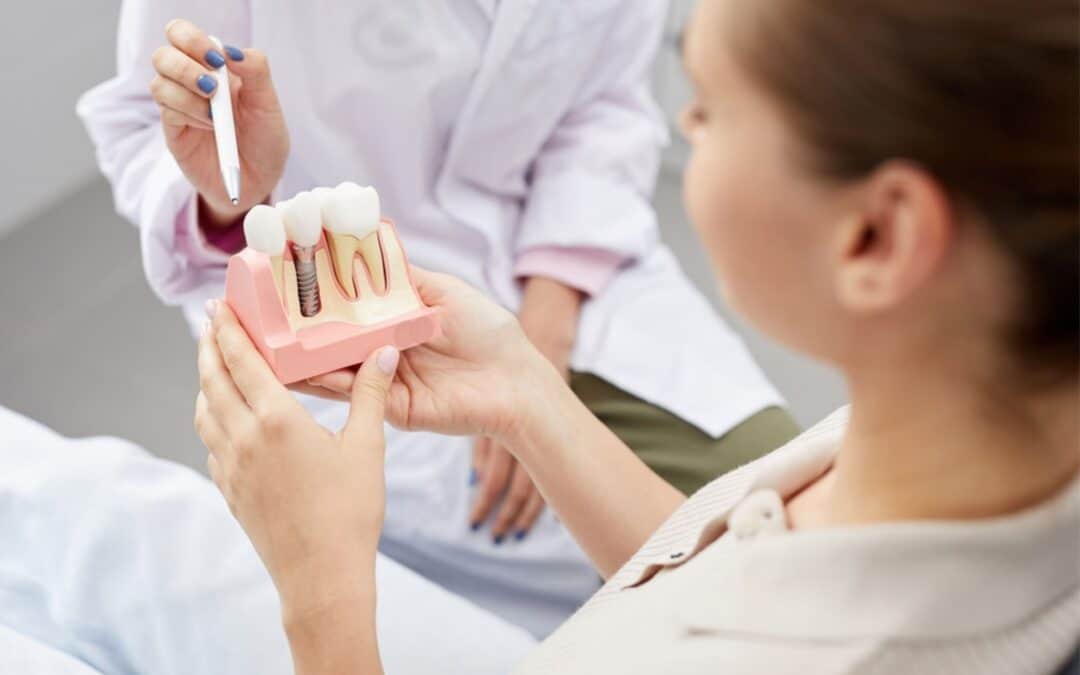
Dental implants are titanium posts surgically inserted into the jawbone to act as artificial tooth roots. These posts fuse with the bone through a process called osseointegration, providing a stable foundation for crowns, bridges, or dentures. While implants are designed to mimic natural teeth in both function and appearance, the surgical process requires a healing period during which your diet needs careful consideration. Immediately after surgery, your gums and jawbone are sensitive, and eating normally right away can disrupt healing or even damage the implant site. The good news? With the right approach, you’ll be back to enjoying your favorite foods in no time.
The First 48 Hours: What to Eat Right After Surgery
The initial 48 hours after dental implant surgery are critical for healing. During this time, your focus should be on minimizing pressure on the surgical site and avoiding irritation. Stick to a soft, liquid, or semi-liquid diet to ensure comfort and promote recovery. Here are some safe options:
- Smoothies (without seeds or hard chunks)
- Broth-based soups (lukewarm, not hot)
- Applesauce or mashed bananas
- Yogurt or pudding
- Protein shakes (blended thoroughly)
Avoid hot foods and drinks, as they can increase swelling or cause discomfort. Also, steer clear of using a straw, as the suction can dislodge the blood clot forming at the surgery site, potentially leading to a painful condition called dry socket. Opt for nutrient-rich foods to support healing—think high-protein options like Greek yogurt or blended lentils, which can aid tissue repair.
Weeks 1 to 2: Transitioning to Soft Foods
As you move into the first and second weeks post-surgery, your mouth will start to feel less tender, but you’re still not ready for a full return to normal eating. At this stage, you can begin incorporating slightly firmer soft foods into your diet while continuing to avoid anything that requires heavy chewing. Some good choices include:
- Mashed potatoes or sweet potatoes
- Scrambled eggs
- Oatmeal or cream of wheat
- Soft-cooked vegetables (like steamed carrots or zucchini)
- Pasta (well-cooked and cut into small pieces)
During this period, it’s still important to avoid hard, crunchy, or sticky foods like nuts, chips, or caramel, as they can irritate the implant site or get lodged in the healing tissues. If you’re in the area and looking for personalized advice, professionals specializing in dental implants in Whitehouse can offer tailored guidance on managing your diet during recovery. Be sure to chew on the opposite side of your mouth from the implant site to minimize pressure and ensure proper healing.
Weeks 3 to 6: Gradually Returning to Normal Eating
By the third to sixth week, most patients notice significant improvement in comfort and can start reintroducing a wider variety of foods. At this point, osseointegration is progressing, and the implant is becoming more stable. You can now experiment with foods that require light chewing, such as:
- Soft breads or tortillas
- Cooked rice or quinoa
- Tender meats (like shredded chicken or fish)
- Soft fruits (like bananas or avocados)
Even as you expand your diet, continue to avoid extremely hard or tough foods, such as raw carrots, apples, or steak, which can place undue stress on the implant. If you’re unsure about your progress, a quick visit to a dentist near Whitehouse, TX, can provide reassurance and ensure your recovery is on track. Additionally, if you’re looking for a specialist to monitor your implant’s long-term success, searching for a “prosthodontist near me” can connect you with experts in restorative dentistry who can offer ongoing support.
Long-Term Eating Habits: Enjoying Food with Dental Implants
Once osseointegration is complete—typically after 3 to 6 months—your dental implant should feel as secure as a natural tooth. At this stage, most patients can eat normally, enjoying a wide range of foods without restrictions. Dental implants are designed to handle the same chewing forces as natural teeth, meaning you can savor crunchy vegetables, chewy breads, and even the occasional hard candy without worry. However, maintaining good oral hygiene is key to ensuring your implant’s longevity. Brush and floss regularly, and schedule routine checkups to keep your implant and surrounding gums healthy.
It’s also worth noting that while implants are highly durable, they’re not indestructible. Avoid habits like chewing on ice or using your teeth to open packaging, as these can damage both implants and natural teeth. By adopting mindful eating habits, you’ll ensure your implant remains a reliable part of your smile for years to come.
Tips for a Smooth Dietary Transition After Surgery
To make your recovery as seamless as possible, here are some practical tips for managing your diet after dental implant surgery:
- Stay Hydrated: Drink plenty of water to keep your mouth clean and support overall healing.
- Eat Nutrient-Dense Foods: Focus on foods rich in vitamins and minerals, like leafy greens (blended into smoothies) or eggs, to aid recovery.
- Cut Food into Small Pieces: Even as you progress to firmer foods, smaller bites are easier to manage and reduce strain on the implant site.
- Avoid Spicy or Acidic Foods: These can irritate the surgical area, especially in the early stages of healing.
- Listen to Your Body: If a particular food causes discomfort, give your mouth more time to heal before trying it again.
By following these guidelines, you’ll support your body’s natural healing process and get back to enjoying meals sooner.
Trending FAQs on Eating After Dental Implant Surgery
To address common concerns, here are answers to some frequently asked questions about eating after dental implant surgery, based on what people often search for on Google:
- How long after dental implant surgery can I eat normally?
Most patients can return to normal eating within 3 to 6 months, once the implant fully integrates with the jawbone, though soft foods are recommended for the first few weeks. - Can I eat solid food after dental implant surgery?
Solid foods should be avoided for at least the first 1-2 weeks. Gradually reintroduce them after 3-6 weeks, starting with softer options and avoiding hard or crunchy items. - What foods should I avoid after dental implant surgery?
Steer clear of hard, sticky, or crunchy foods like nuts, popcorn, and caramel, as well as hot or spicy foods that can irritate the surgical site. - Can I drink coffee after dental implant surgery?
It’s best to avoid hot coffee for the first 48 hours, as it can increase swelling. Opt for lukewarm or cold beverages and avoid using a straw.
These answers aim to clarify common concerns and help you feel more confident about your recovery.
Dental implant surgery is a life-changing procedure that can restore both function and aesthetics to your smile, but it requires patience and care during the recovery process. While you won’t be able to eat normally right away, a gradual approach to reintroducing foods will ensure your implant heals properly and becomes a seamless part of your daily life. By following your dentist’s advice and making mindful dietary choices, you’ll be back to enjoying all your favorite meals in just a few months. If you have concerns or need personalized guidance, don’t hesitate to reach out to a dental professional to support you on this journey.