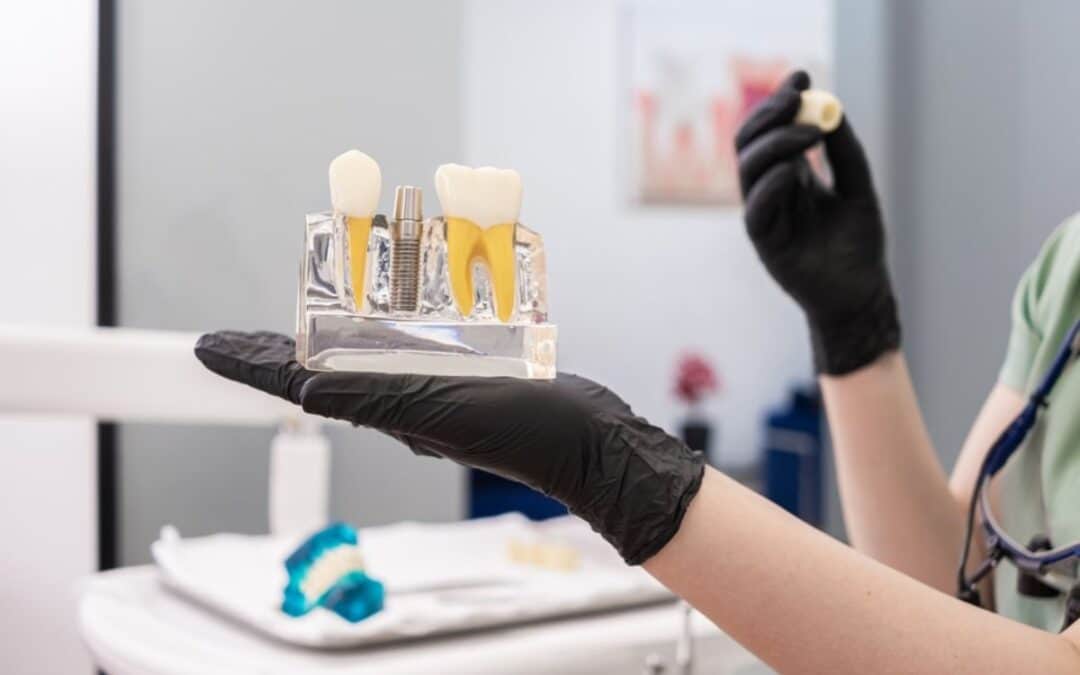
Dental implants are a long-term solution for replacing missing teeth, offering durability, functionality, and a natural appearance. However, just like natural teeth, implants require proper care to stay healthy. One potential issue that patients might face is an infection around the implant, also known as peri-implantitis. If left untreated, this condition can compromise the stability of the implant and even lead to implant failure. In this blog, we’ll explore whether a dental implant can get infected, the warning signs to watch for, and the best solutions for keeping your implant healthy.
Can a Dental Implant Really Get Infected?
Yes, dental implants can become infected, but it’s important to understand why. While the implant itself is made of titanium and cannot decay like natural teeth, the surrounding gum and bone tissue are still vulnerable to bacteria. Infection can occur if bacteria accumulate around the implant, leading to inflammation and potential damage to the supporting structures.
Common Causes of Dental Implant Infections:
- Poor oral hygiene leading to plaque buildup around the implant
- Smoking, which reduces blood flow and slows healing
- Pre-existing gum disease that weakens the gums and bone
- Uncontrolled diabetes or other conditions that affect healing
- Excessive force on the implant due to teeth grinding or misalignment
If you have dental implants in Whitehouse, it’s crucial to follow a good oral hygiene routine and attend regular dental checkups to prevent infection.
Warning Signs of an Infected Dental Implant
Recognizing the early signs of infection can help you seek timely treatment and prevent serious complications. Here are some symptoms to watch for:
1. Redness and Swelling
Mild swelling after implant placement is normal, but persistent or worsening swelling around the implant site may indicate an infection.
2. Bleeding Gums (Peri-Implant Mucositis)
If your gums bleed when you brush or floss around the implant, it could be an early sign of infection. Healthy gums should not bleed easily.
3. Pain or Discomfort
Some discomfort is normal after surgery, but sharp or persistent pain long after the healing process may be a warning sign of infection.
4. Pus or Bad Taste in the Mouth
If you notice pus, a foul taste, or bad breath that won’t go away, it may indicate a bacterial infection around the implant.
5. Loose Implant or Difficulty Chewing
A healthy implant should feel stable, just like a natural tooth. If you experience movement or discomfort when chewing, it could be a sign of bone loss due to infection.
Solutions for Treating an Infected Dental Implant
The good news is that if caught early, an infected dental implant can often be treated successfully. The right treatment will depend on the severity of the infection:
1. Professional Cleaning and Antibiotics
For mild infections, a deep cleaning around the implant and a round of antibiotics may be enough to eliminate bacteria and restore gum health.
2. Laser Therapy or Antibacterial Rinse
Some dentists use laser therapy or specialized mouth rinses to target bacteria and promote healing around the implant.
3. Surgical Intervention (If Necessary)
In more advanced cases, surgical treatment may be needed to remove infected tissue and regenerate lost bone around the implant.
4. Implant Replacement (Severe Cases)
If the infection has caused significant bone loss and the implant is no longer stable, it may need to be removed and replaced after a healing period.
How to Prevent Implant Infections
Taking preventive measures is the best way to avoid infection and ensure the long-term success of your implant. Here are some key tips:
- Brush and floss daily to remove plaque buildup around the implant.
- Use an antibacterial mouthwash to help control bacteria in the mouth.
- Avoid smoking as it weakens the gums and slows healing.
- Visit your dentist regularly for professional cleanings and checkups.
- Be mindful of what you eat, avoiding overly hard or sticky foods that may stress the implant.
While dental implants are a reliable and effective solution for tooth loss, they require proper care to stay healthy. Infection can occur, but by recognizing the warning signs early and seeking professional treatment, you can prevent complications and ensure long-term success. If you’re experiencing any symptoms of infection or have concerns about your dental implants, reach out to a dentist near you for expert care and guidance.