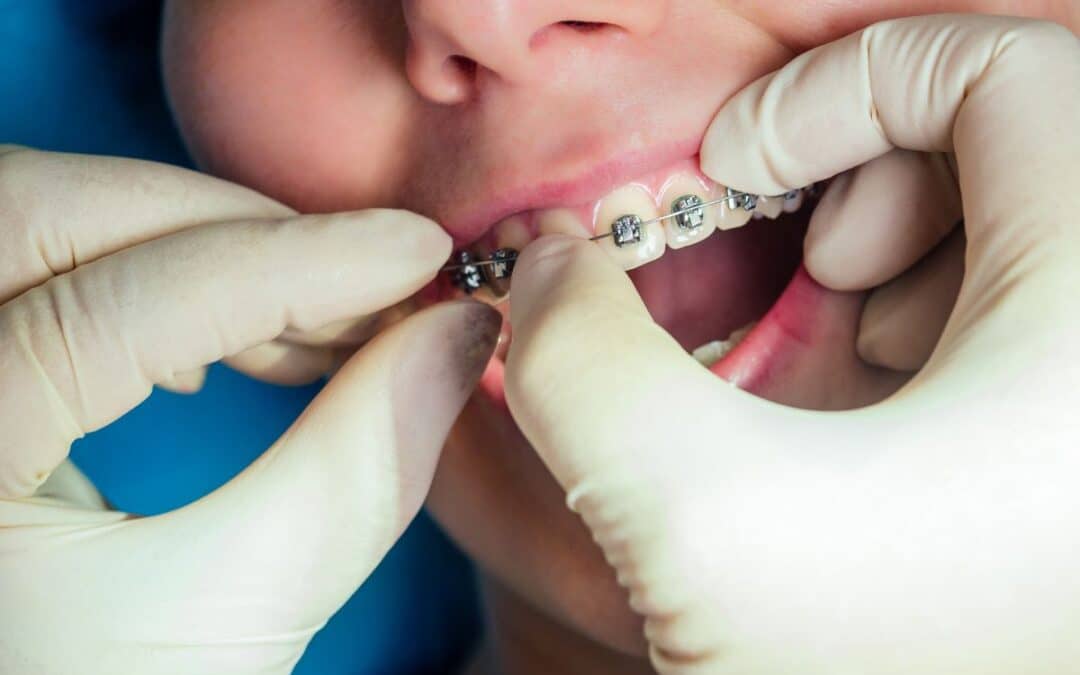
Getting braces is an exciting step toward achieving a straight, beautiful smile. However, one common concern many people have before beginning orthodontic treatment is whether braces hurt. While braces can cause some discomfort, especially in the first few days after they’re placed or adjusted, the pain is generally manageable. In this blog, we’ll explore what kind of pain you can expect with braces and provide effective tips for managing discomfort throughout your orthodontic journey.
Do Braces Hurt?
The short answer is: Yes, braces can cause some discomfort, but the pain is usually mild and temporary. When braces are first applied or adjusted, they work by gradually shifting your teeth into their correct positions. This movement puts pressure on your teeth and jaw, leading to soreness or sensitivity.
The good news is that the discomfort associated with braces is generally most noticeable right after they are placed or tightened, and it tends to subside within a few days. Your mouth may feel sore as your teeth start adjusting to the pressure, and your cheeks, lips, and tongue may also experience some irritation as they get used to the brackets and wires.
Types of Discomfort with Braces
Here are some common types of discomfort you might experience with braces:
- Sore Teeth: After your braces are tightened or when they are first put on, your teeth may feel sore for a few days. This is because the braces are applying pressure to move your teeth.
- Irritated Gums and Cheeks: The brackets and wires can rub against the soft tissues in your mouth, causing irritation. You might notice small sores or feel some tenderness, especially in the first few weeks.
- Jaw Pain: In some cases, the realignment of your teeth can cause mild jaw pain, particularly if you are using elastics or other orthodontic appliances to adjust your bite.
- Tightness or Pressure: The feeling of tightness or pressure after an adjustment is common as your teeth respond to the new force exerted by the braces.
How Long Does the Pain Last?
The discomfort associated with braces is usually most intense during the first few days after they are placed or adjusted. Typically, the soreness will begin to lessen within three to five days. After about a week, most patients find that their pain has diminished significantly or disappeared altogether. Over time, as your mouth becomes accustomed to the braces, you will likely experience less discomfort after adjustments.
Tips for Managing Pain and Discomfort
If you’re experiencing pain or discomfort from your braces, don’t worry—there are several effective ways to alleviate it. Here are some practical tips for managing the discomfort that comes with orthodontic treatment:
1. Over-the-Counter Pain Relievers
One of the easiest ways to manage the pain from braces is to take over-the-counter pain relievers like ibuprofen (Advil) or acetaminophen (Tylenol). These medications can help reduce inflammation and relieve soreness. Be sure to follow the recommended dosage instructions and consult your orthodontist if you have any concerns.
2. Orthodontic Wax
Orthodontic wax is a great tool for minimizing irritation caused by the brackets and wires. If you notice that the metal is rubbing against the inside of your cheeks or lips, apply a small amount of orthodontic wax to the area to create a barrier. This will reduce friction and help prevent sores or discomfort.
3. Use a Saltwater Rinse
A warm saltwater rinse can help soothe irritated gums and soft tissues. Mix about half a teaspoon of salt into a glass of warm water, swish it around your mouth for 30 seconds, and then spit it out. Doing this a few times a day can promote healing and reduce inflammation.
4. Stick to Soft Foods
In the days following an adjustment or when you first get your braces, eating soft foods can help minimize discomfort. Stick to foods like mashed potatoes, yogurt, soups, scrambled eggs, and smoothies, which are easy to chew and won’t put extra pressure on your sore teeth.
5. Cold Compress
If you’re experiencing jaw pain or soreness in your gums, applying a cold compress to the outside of your face can help. The cold will reduce inflammation and numb the area, providing relief from the discomfort.
When to Contact Your Orthodontist
While some discomfort is normal with braces, there are times when you should contact your orthodontist. If you experience severe pain, a broken bracket or wire, or sores that don’t heal, it’s essential to reach out to your orthodontist for advice and possible adjustments.
Although braces can cause some pain and discomfort, it is usually mild, temporary, and manageable with proper care. By following the tips outlined above, you can reduce discomfort and ensure a smoother orthodontic experience. With time, your mouth will adjust to the braces, and you’ll be on your way to achieving a beautiful, straight smile!