April marks Oral Cancer Awareness Month, a time dedicated to raising awareness about a disease that affects millions worldwide. While not as widely discussed as some other forms of cancer, oral cancer is a significant health concern with potentially devastating consequences. Through education, early detection, and prevention, we can make strides in reducing its impact. This blog post delves into the importance of oral cancer awareness, its risk factors, signs, and the steps individuals can take to protect themselves.
Understanding Oral Cancer
Oral cancer refers to cancers that develop in the mouth, including the lips, tongue, cheeks, gums, palate, floor of the mouth, and throat. It can affect anyone, although certain factors may increase the risk. Smoking, excessive alcohol consumption, and the use of smokeless tobacco are well-known risk factors. Additionally, human papillomavirus (HPV) infection, a weakened immune system, poor oral hygiene, and a diet lacking in fruits and vegetables can also contribute to the development of oral cancer.
The Importance of Awareness
One of the challenges with oral cancer is that it often goes unnoticed in its early stages. Symptoms may be subtle or resemble common oral issues, such as a persistent sore throat, mouth ulcers, difficulty swallowing, or changes in the voice. As a result, many cases are diagnosed when the cancer has already advanced, making treatment more difficult and reducing the chances of survival.
Raising awareness about oral cancer is crucial for several reasons. First and foremost, it empowers individuals to recognize the signs and symptoms, prompting them to seek medical attention if they notice anything unusual. Early detection is key to improving outcomes and increasing the likelihood of successful treatment. Furthermore, by educating the public about the risk factors associated with oral cancer, we can encourage healthier behaviors and lifestyles that may help prevent its onset.
Spread the Word, Save Lives
During Oral Cancer Awareness Month, there are various ways to get involved and spread the word. Healthcare professionals can host educational events, offer free screenings, or distribute informational materials in their communities. Social media platforms provide an excellent opportunity to share facts, statistics, and personal stories to reach a broader audience. Encouraging friends, family, and colleagues to undergo regular dental check-ups, where oral cancer screenings are often performed, can also make a difference.
Individuals can take proactive steps to protect themselves from oral cancer by adopting healthy habits and minimizing risk factors. This includes quitting smoking, limiting alcohol consumption, practicing good oral hygiene, eating a balanced diet rich in fruits and vegetables, and getting vaccinated against HPV. Regular self-examinations of the mouth and throat can also help detect any abnormalities early on.
The Role of Screening
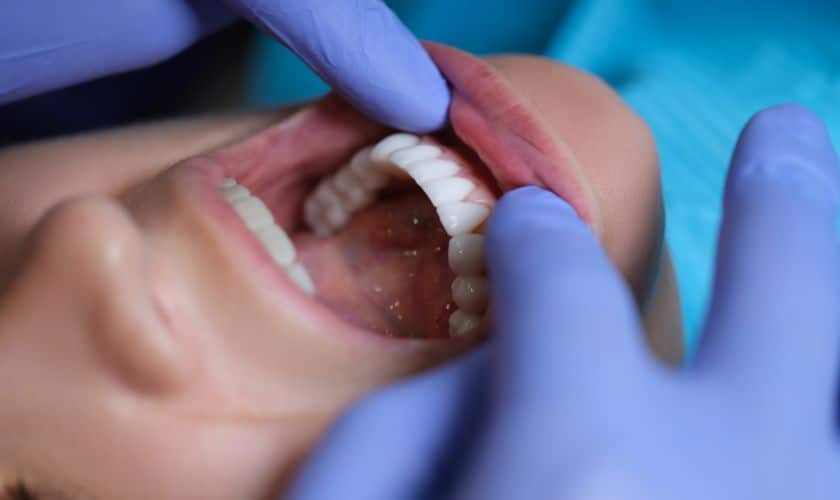
Routine screenings for oral cancer are essential, especially for those at higher risk due to lifestyle factors or a family history of the disease. Dentists and primary care physicians can perform thorough examinations of the mouth and throat during regular check-ups. These screenings are quick, painless, and can detect abnormalities that may warrant further investigation.
It’s important to note that while screenings are valuable tools for early detection, they are not foolproof. Therefore, individuals should remain vigilant about their oral health and promptly report any concerning symptoms to their healthcare providers.
Conclusion
Oral cancer is a serious but often overlooked health issue that requires greater attention and awareness. By spreading knowledge about its risk factors, signs, and preventive measures, we can empower individuals to take control of their oral health and reduce the burden of this disease. This Oral Cancer Awareness Month, let’s unite in the fight against oral cancer and strive to save lives through education, early detection, and prevention efforts. Together, we can make a difference.
In memory of those who have lost their battle with oral cancer and in support of those currently fighting, let us commit to spreading awareness and promoting healthier communities. Together, we can make a difference.