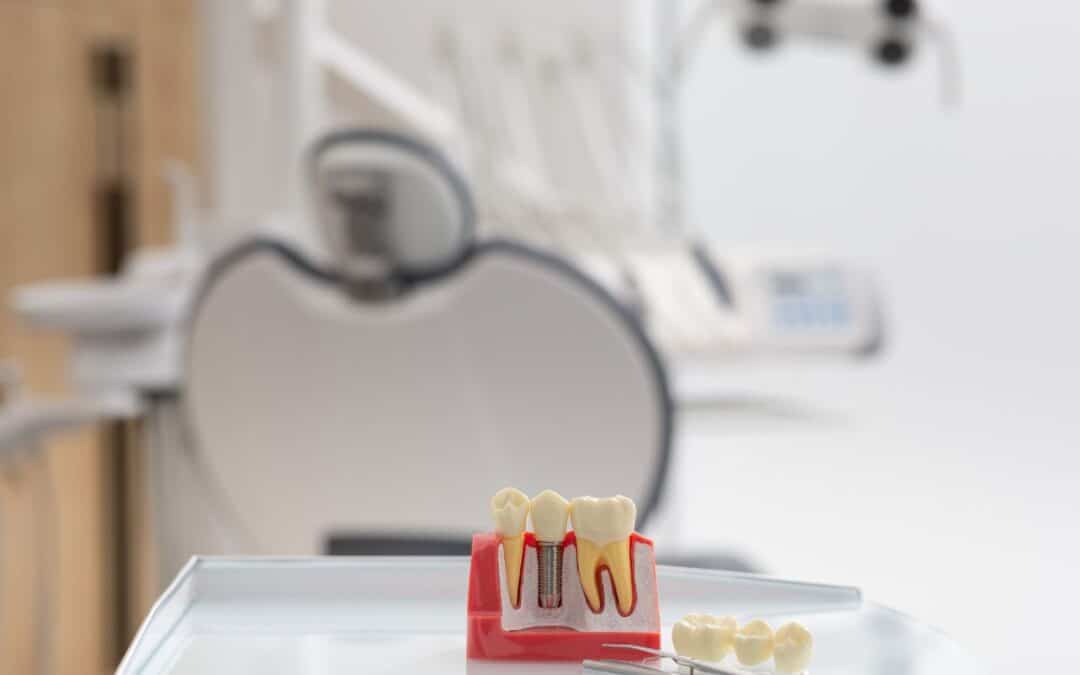
Losing a tooth can affect much more than your appearance. While many people initially think about chewing or smile aesthetics, another important change happens underneath the gums. The jawbone relies on regular stimulation to maintain its strength and structure. When a tooth is missing, that support begins to disappear. Over time, changes in the jaw can affect oral function, facial appearance, and long-term dental health.
Understanding how implants support the bone helps explain why they are considered one of the most reliable tooth replacement solutions for preserving oral health.
Why Does Bone Loss Happen After Losing a Tooth?
Natural teeth do more than help you eat and smile. Tooth roots continuously stimulate the jawbone whenever you bite, chew, or speak. This activity keeps the bone healthy and active.
When a tooth is lost, that stimulation stops. The body naturally starts a process called bone resorption, where the jawbone slowly begins shrinking because it is no longer being used.
Jawbone deterioration can lead to:
- Reduced support for surrounding teeth
- Changes in facial structure
- Difficulty chewing certain foods
- Shifting of nearby teeth
- A more sunken appearance around the mouth
Bone loss may begin sooner than many people expect and can gradually continue over time.
How Do Dental Implants Support the Jawbone?
Dental implants are unique because they replace the missing tooth root along with the visible tooth structure.
The implant post is placed into the jawbone where it naturally bonds with surrounding bone through a process called osseointegration. As healing occurs, chewing pressure is transferred into the bone in a way that closely resembles natural tooth function.
This stimulation helps maintain bone activity and supports healthy bone density.
| Function | Natural Tooth | Dental Implant |
|---|---|---|
| Stimulates jawbone | Yes | Yes |
| Helps maintain bone density | Yes | Yes |
| Supports chewing ability | Yes | Yes |
| Preserves facial structure | Yes | Yes |
Dental implants work with the body rather than simply replacing a visible tooth.
What Happens During Implant Treatment?
Many patients want to understand what happens during treatment and how the process contributes to long-term bone health.
Patients considering a dental implants procedure in Whitehouse, TX often learn that treatment begins with a complete evaluation of the mouth, bone levels, and overall oral health before creating a personalized treatment plan.
Initial Evaluation
Digital imaging helps determine the condition of the jawbone and surrounding structures.
Implant Placement
The implant post is carefully positioned where the missing tooth root once existed.
Healing Process
Over time, the implant and bone integrate together to create a stable foundation.
Final Restoration
A custom restoration is placed to restore appearance and chewing function.
The overall process is designed not only to replace a missing tooth but also to support healthy surrounding tissues.
Can Dental Implants Help Preserve Facial Appearance?
Jawbone deterioration does not only affect oral health. It can also change facial structure over time.
As bone volume decreases, the lower portion of the face may gradually lose support. This can contribute to a more aged appearance around the cheeks and mouth.
Dr. Trevor Wortley often explains the importance of preserving healthy bone because maintaining natural support structures helps improve both function and appearance.
Many individuals visiting a trusted oral health provider in the Whitehouse community ask about long-term benefits and how treatment can help protect their smile for years ahead.
Who Can Benefit From Dental Implants?
Every patient has different oral health needs. Factors such as gum condition, bone density, overall health, and oral hygiene habits play an important role when determining treatment options.
Many people seeking guidance from a trusted dental care professional in the Whitehouse area want a long-term approach that supports both comfort and oral wellness.
If you are searching for an expert dentist in Whitehouse, discussing your goals with a dental team can help you understand your options and determine whether implants may be appropriate for your situation.
Additionally, our implant dentist carefully evaluates each patient’s needs because preserving healthy function requires a personalized approach.
Trending FAQs
- Do dental implants prevent bone loss?
Yes. Dental implants stimulate the jawbone similarly to natural tooth roots. - Can bone loss occur after losing one tooth?
Yes. Even one missing tooth can lead to gradual bone deterioration. - How long does implant healing take?
Healing varies but bone integration often takes several months. - Do dental implants feel natural?
Many patients say implants closely resemble natural teeth in feel and function. - Can missing teeth change facial appearance?
Yes. Bone loss may reduce support around the mouth and cheeks over time.
Protecting Your Oral Health Starts With Early Action
Delaying treatment after tooth loss may allow bone changes to continue. Early evaluation can help preserve healthy structures and support long-term oral function.
Patients looking for an experienced dental professional in Whitehouse often want solutions that improve both health and daily comfort. Learning how implants help preserve the jawbone creates a stronger foundation for long-term oral wellness. Healthy teeth support confidence, function, and quality of life for years to come.