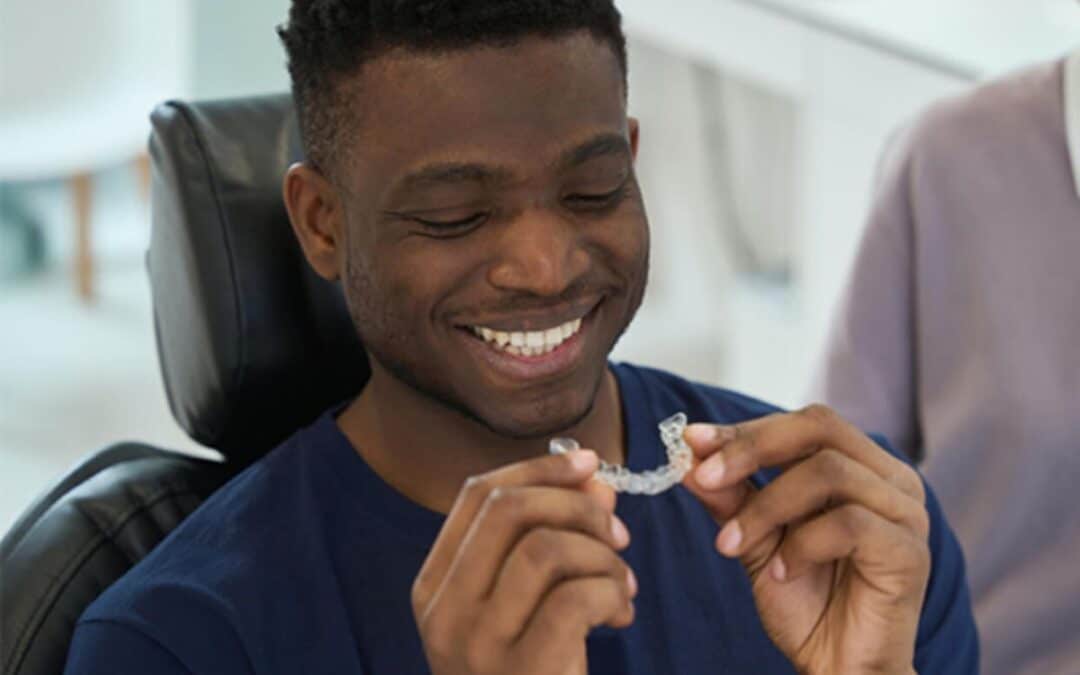
An underbite can affect more than appearance. Many adults experience jaw discomfort, uneven tooth wear, speech challenges, and difficulty chewing because of bite misalignment. Some people have lived with the issue for years without realizing how much it impacts their oral health and confidence.
Modern orthodontic care offers more discreet options than traditional braces. Clear aligners have become a popular choice for adults who want a comfortable and less noticeable solution while maintaining their professional and social lifestyles. Understanding how Invisalign works for underbite correction can help patients make informed decisions about their smile and long-term dental health.
What Is an Underbite and Why Does It Matter?
An underbite occurs when the lower teeth sit in front of the upper teeth when the mouth is closed. This can range from mild to severe. Some adults develop underbites because of genetics, while others experience worsening bite alignment over time due to jaw growth, missing teeth, or oral habits.
Common symptoms include:
- Jaw pain or tension
- Difficulty biting into foods
- Tooth grinding
- Speech concerns
- Uneven tooth wear
- Facial imbalance
Ignoring an underbite may lead to additional stress on the teeth and jaw joints. Early orthodontic evaluation can help prevent further complications.
Can Clear Aligners Really Correct an Adult Underbite?
Yes, many mild to moderate underbite cases can be improved with Invisalign aligners. Orthodontists use digital scans and customized treatment planning to gradually reposition teeth into healthier alignment.
Unlike traditional braces, Invisalign aligners are removable and nearly invisible. Adults often prefer this option because it fits more comfortably into daily routines and professional settings.
The treatment works through controlled tooth movement. Each set of aligners slightly shifts the teeth until the bite improves over time.
How Does Invisalign Treatment Work for Underbite Correction?
Orthodontists begin with a complete examination of the teeth, bite, and jaw structure. Digital imaging helps map tooth movement step by step.
Treatment may include:
Customized Clear Aligners
Every aligner tray is designed specifically for the patient’s teeth. The trays apply gentle pressure to guide teeth into better alignment.
Consistent Wear
Patients usually wear aligners 20–22 hours daily. Consistency is important for achieving predictable results.
Many adults appreciate that aligners can be removed during meals and oral hygiene routines, making maintenance easier than traditional orthodontics.
Why Are Adults Choosing Clear Aligners More Often?
Adults often prioritize comfort, appearance, and flexibility when considering orthodontic care.
Here are some reasons why aligners continue to grow in popularity:
| Benefit | Why Adults Like It |
|---|---|
| Nearly invisible appearance | Less noticeable during work or social events |
| Removable trays | Easier eating and brushing |
| Comfortable material | No brackets or wires |
| Digital treatment planning | Predictable tooth movement |
| Improved oral hygiene | Better access for cleaning teeth |
Many adults also want treatments that fit into busy schedules without major lifestyle disruption.
During consultations, patients frequently ask about invisalign treatment in Whitehouse because they want a discreet solution that can address underbite concerns without changing their daily routines significantly.
What Types of Underbites Can Invisalign Improve?
Invisalign is often effective for:
- Mild underbites
- Moderate bite misalignment
- Crowding associated with underbite
- Spacing issues
- Minor jaw alignment concerns
Severe skeletal underbites may require additional orthodontic or surgical evaluation. A professional assessment helps determine whether clear aligners are the right approach.
How Long Does Treatment Usually Take?
Treatment timelines vary depending on the complexity of the underbite and patient compliance.
Factors influencing treatment duration include:
- Severity of bite misalignment
- Tooth crowding
- Jaw positioning
- Daily aligner wear consistency
- Oral health condition
Patients who wear aligners as instructed typically experience smoother progress and more predictable outcomes.
How Can Adults Maintain Their Results After Treatment?
One common concern among adults is relapse after orthodontic care. Proper retention plays a major role in maintaining alignment.
Orthodontists often recommend wearing retainers consistently to help preserve tooth positioning and support long-term bite stability. This is especially important for patients who want to reduce the chances of post-treatment movement and keep their smile aligned after completing clear aligner therapy.
Maintaining strong oral hygiene, attending routine dental visits, and following professional instructions can also help patients maintain their improved bite alignment over time.
Are There Lifestyle Benefits Beyond Straighter Teeth?
Yes. Correcting an underbite can improve several aspects of daily life.
Adults often report:
- Easier chewing
- Better speech clarity
- Reduced jaw strain
- Improved confidence
- More balanced smile appearance
- Better oral hygiene access
Many patients also experience improved comfort during eating and reduced stress on certain teeth.
What Should Adults Expect During the First Consultation?
An orthodontic consultation typically includes:
Digital Imaging
Scans and photographs help evaluate bite alignment and tooth positioning.
Bite Assessment
The orthodontist examines jaw function and underbite severity.
Customized Treatment Planning
Patients receive a personalized plan outlining expected tooth movement and aligner progression.
Oral Health Review
Healthy gums and teeth are important before beginning orthodontic treatment.
Patients often feel more confident once they understand their treatment options and expected outcomes.
Trending FAQs About Invisalign and Adult Underbites
- Can Invisalign fix an underbite in adults?
Yes. Invisalign can improve many mild to moderate adult underbite cases through gradual tooth movement. - How long does Invisalign take for underbite correction?
Treatment time varies, but many adult patients wear aligners for several months to over a year depending on complexity. - Does Invisalign help jaw discomfort caused by underbites?
Improving bite alignment may help reduce jaw strain and uneven pressure on teeth. - Are aligners noticeable during treatment?
No. Invisalign aligners are designed to be discreet and nearly invisible. - Do adults need retainers after Invisalign?
Yes. Retainers help maintain alignment and support long-term bite stability. - Is Invisalign removable while eating?
Yes. Patients remove aligners during meals and while brushing or flossing.
Adults considering orthodontic treatment often want experienced guidance and personalized care throughout the process. If you are searching for an expert orthodontist near you, speaking with professionals who understand adult bite correction can help you feel more confident about your treatment journey. Many patients also value working with our local expert orthodontists because they understand the unique concerns adults face during aligner treatment.
Living with an underbite can affect comfort, confidence, and oral health more than many adults realize. Clear aligners offer a modern and discreet way to improve bite alignment while fitting comfortably into everyday life. With customized treatment planning, consistent aligner wear, and proper long-term retention, adults can achieve healthier function and a more balanced smile while helping minimize unwanted tooth movement after treatment. Schedule a consultation today to learn more about your orthodontic options and take the next step toward a healthier smile.