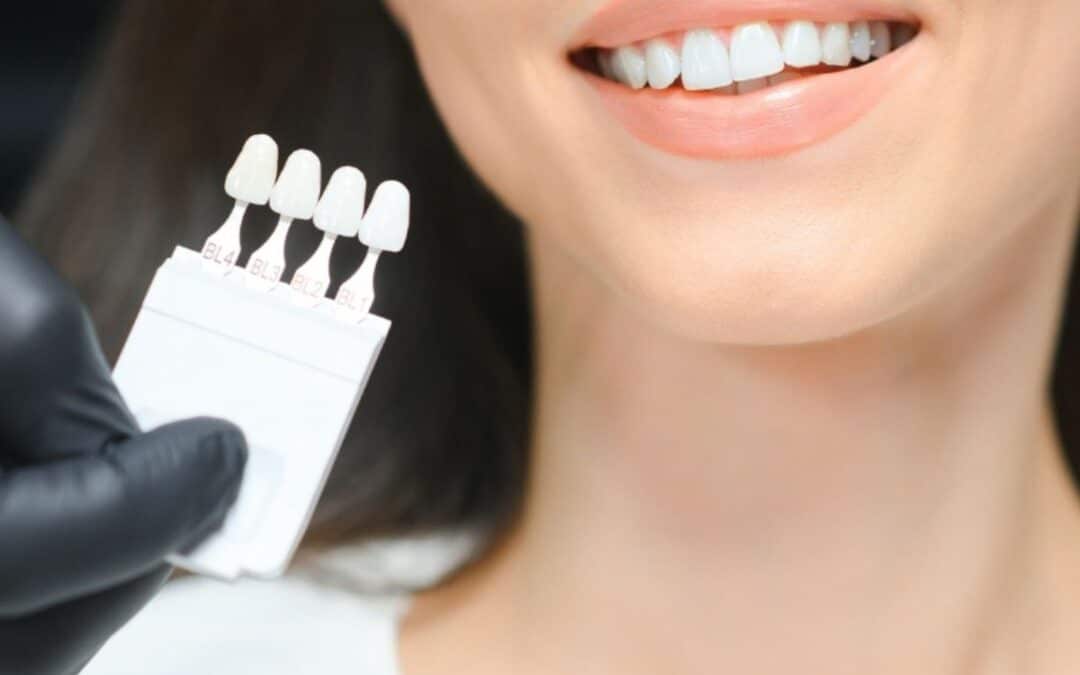
Picture this: You’ve finally decided to transform your smile with veneers, envisioning that confident grin lighting up every conversation and meal. But then doubt creeps in—what if these thin porcelain shells throw off your words or how you chomp into your favorite foods? It’s a valid worry. Many folks hesitate right at this crossroads, fearing the unknown. The good news? With modern techniques, these concerns are often short-lived blips on the road to a radiant smile. Let’s dive into the facts, ease your mind, and arm you with what you need to step forward boldly.
What Are Dental Veneers, Anyway?
Dental veneers are custom-made facades, usually crafted from durable porcelain or composite resin, that bond to the front of your teeth. They mask chips, gaps, discoloration, or minor misalignments, delivering a natural, polished look. Think of them as tailored armor for your smile—sleek and unobtrusive.
In cosmetic dentistry, veneers shine for their minimally invasive prep. Your dentist lightly etches the enamel for adhesion, preserving most of your natural tooth. This approach sets them apart from bulkier options like crowns, which cover the entire tooth. Results? A brighter, more even smile without drastic reshaping.
How Veneers Can Influence Your Speech
Speech tweaks top the list of pre-treatment jitters. The tongue dances with teeth edges during sounds like “s,” “th,” or “f.” New veneers add a whisper of thickness, potentially nudging your tongue into unfamiliar territory. This might spark a temporary lisp or slight slur, especially in the first days.
Rest easy—it’s rarely permanent. Studies show most patients adapt swiftly as the brain recalibrates. The key? Precise design. Skilled providers mimic your natural contours, minimizing disruption. If changes linger beyond two weeks, a quick polish often fixes it. Remember, this phase passes, leaving you to chat freely again.
The Real Scoop on Veneers and Your Bite
Biting down feels intuitive until something shifts. Veneers aim to enhance, not overhaul, your occlusion—the way teeth meet. Properly fitted ones distribute pressure evenly, potentially easing strain from uneven wear. Yet, initial sensitivity or a “high spot” can make chewing feel off-kilter at first.
Here’s the upside: Veneers often refine bite harmony. For instance, they can level worn edges, promoting smoother jaw function. Complications like persistent misalignment are rare when starting with a thorough exam. Your dentist evaluates your current bite via impressions and digital scans, ensuring seamless integration.
When exploring our veneers treatment in Whitehouse, TX, you’ll find options tailored to preserve that natural chew. Local expertise ensures adjustments align perfectly with your daily habits, from crisp apple bites to hearty steak slices.
Navigating the Adjustment Period After Veneers
Day one post-placement? Your mouth buzzes with novelty. Saliva flow might spike as nerves settle, and textures feel amplified. This honeymoon haze typically fades in 24-48 hours. By week one, speech flows smoother, and bites land true.
Patience pays off. Hydrate well, opt for soft foods like yogurt or smoothies, and practice enunciation with tongue twisters. If discomfort persists, flag it—minor tweaks restore balance fast. Long-term? Over 95% of patients report no ongoing issues, per dental research.
| Common Veneer Concern | Typical Impact | Adaptation Timeline | Success Insight |
|---|---|---|---|
| Speech Alteration | Temporary lisp or slurring | 1-2 weeks | 98% resolve without intervention |
| Bite Discomfort | Mild sensitivity or uneven feel | 3-7 days | Improves occlusion in 85% of cases |
| Overall Satisfaction | High confidence boost | Immediate post-adjustment | 95.5% 10-year survival rate |
This table draws from clinical data, highlighting how fleeting hurdles lead to lasting wins.
Practical Tips to Ease Into Your New Smile
Preparation sets the tone. Before treatment, discuss speech patterns and bite quirks with your provider. They might suggest phonetic tests to fine-tune shapes.
Post-care matters too. Skip sticky candies that tug at bonds. Brush gently with a soft toothbrush, and floss daily to shield edges. Regular check-ins catch tweaks early. These steps not only safeguard your investment but amplify comfort from the get-go.
If you are searching for a cosmetic dentist near you, prioritize those versed in smile simulations—digital previews let you “try on” results, spotting potential speech or bite snags upfront.
Trending FAQs on Veneers, Speech, and Bite
Curious minds flock to these queries online. Based on popular searches, here’s the lowdown in quick bites:
- Do veneers cause a permanent lisp? No, lisps are transient. Your tongue adapts as muscle memory kicks in, usually within days. Persistent cases? A simple edge adjustment resolves it.
- How long until my bite feels normal after veneers? Most notice full comfort by week’s end. Start with softer eats to bridge the gap smoothly.
- Can veneers fix an existing bite problem? Absolutely, if minor. They even surfaces for better alignment, but severe issues might pair with orthodontics.
- Will veneers make my teeth feel bulkier when talking? Initially, yes—a subtle shift. But custom fits ensure they blend like your originals.
- What if speech changes bother me right away? Contact your dentist pronto. Early refinements prevent worry and speed recovery.
These answers stem from patient forums and expert insights, proving veneers prioritize function alongside flair.
Veneers aren’t just about aesthetics—they’re a gateway to unhindered expression and enjoyment. You’ve got the tools now to tackle fears head-on, knowing any ripples are ripples, not waves. Ready to claim that effortless smile? Schedule an appointment today and let your words—and bites—shine without a second thought.