As we age, our bodies change in ways that can make us wonder about certain procedures. Dental implant surgery stands out as a reliable way to restore smiles, but questions often arise about recovery for older adults. Let’s break down the facts, dispel myths, and offer practical guidance to help you feel confident.
Understanding Dental Implant Surgery
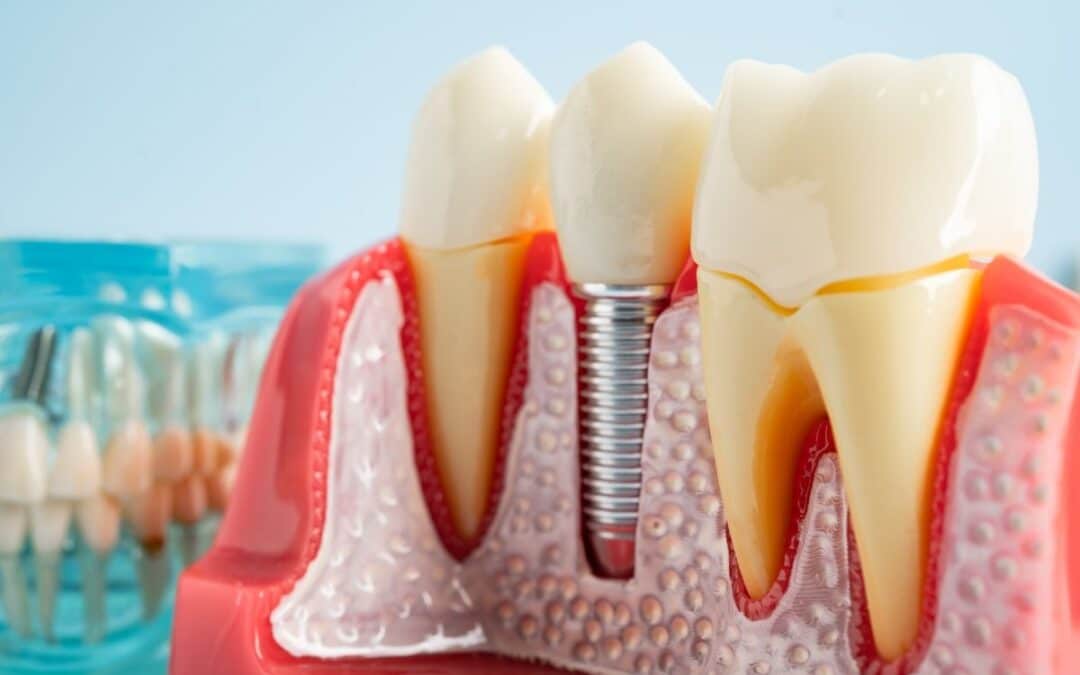
Dental implants replace missing teeth with titanium posts that fuse to the jawbone. This process, called osseointegration, creates a stable base for crowns or bridges. The surgery itself is straightforward and is often performed in one visit under local anesthesia. Most people return to normal activities within days.
Recovery initially involves managing swelling and discomfort. Over time, the implant integrates with bone. Factors like overall health play a big role in how smoothly this goes.
How Age Influences Healing
Age does impact healing, but not as drastically as some think. Younger folks often bounce back faster due to robust cell regeneration. For seniors, the process might take a bit longer due to natural slowdowns in tissue repair.
Studies show that while initial recovery can take longer, overall success remains high. Bone density tends to decrease with age, which could affect integration. Yet, many older patients achieve full fusion within months.
Health conditions common in later years, such as diabetes or osteoporosis, can slow things down more than age alone. Maintaining good nutrition and following care instructions helps counter this.
Key Factors Affecting Recovery in Seniors
Several elements determine how quickly seniors heal from this surgery.
Bone Health and Density
Jawbone quality is crucial. If the bone has thinned over time, a graft might be needed first. This adds steps but ensures stability.
Seniors with adequate bone often see integration within 3 to 6 months, similar to others.
Overall Health and Medications
Chronic issues like heart disease can influence blood flow, extending recovery. Some medications, including blood thinners, might require adjustments.
Staying active and managing conditions well speeds up the process.
Lifestyle Choices
Smoking hinders blood circulation, delaying healing. Quitting before surgery boosts outcomes.
A balanced diet rich in vitamins supports bone repair. Hydration matters too.
Common Concerns Addressed
Many worry about pain or complications. Discomfort is usually mild and managed with over-the-counter relief.
Infections are rare with proper hygiene. Regular check-ups catch issues early.
For upper jaw placements, proximity to sinuses can raise questions. It’s worth noting that some experience concerns around dental implants and sinus issues, but skilled placement minimizes risks through techniques like lifts when needed.
If you’re wondering about local options, dental implants in Whitehouse, TX offer reliable solutions tailored to individual needs.
Trending FAQs on the Topic
Based on frequent searches, here are some top questions people ask about seniors and dental implant healing, with clear answers:
- Does age affect healing after dental implant surgery? Yes, but minimally for healthy seniors. Recovery might add a week or two, yet success rates hover around 95%.
- Are you too old for dental implants? No, age isn’t a barrier. Many in their 80s succeed if health allows.
- Do dental implants work well for the elderly? Absolutely, with high survival rates. They improve chewing and confidence.
- What special considerations apply to dental implants for seniors? Focus on bone density and health management for best results.
- Am I too old for dental implants? What seniors should know before deciding? Consult a professional; most find the process manageable and rewarding.
Statistics on Healing and Success
Here’s a quick look at key data from studies on implant outcomes by age group.
| Age Group | Average Healing Time (Months) | Success Rate (%) | Early Failure Rate (%) |
|---|---|---|---|
| Under 40 | 3-4 | 98 | 2 |
| 40-60 | 4-5 | 97 | 3 |
| 60-80 | 4-6 | 95 | 5 |
| Over 80 | 5-7 | 94 | 6 |
These figures show that while time increases slightly with age, success remains strong overall.
Tips for Faster Recovery
To optimize healing, follow these steps.
Rest adequately in the first few days. Use ice packs for swelling.
Stick to soft foods initially, then gradually reintroduce solids.
Keep the area clean with gentle rinsing. Avoid strenuous activity.
Attend all follow-ups. Report any unusual symptoms promptly.
If you are searching for dental implants near you, exploring trusted providers can address your specific situation effectively.
Potential Challenges and Solutions
Slower tissue repair in seniors might lead to extended discomfort. Counter this with anti-inflammatory foods like berries.
Bone loss is common; grafts resolve it in most cases.
Immune responses vary, so boosting with exercise helps.
Long-Term Benefits for Seniors
Once healed, implants feel natural. They prevent bone loss and support facial structure.
Eating favorites becomes easier. Speech improves, too.
Quality of life rises, with many reporting renewed energy.
In wrapping up, dental implant surgery offers lasting value for seniors, even if healing takes a touch longer. With the right approach, outcomes are excellent. Ready to discuss your options? Click here to schedule an appointment.