Choosing a dentist for dental implants can feel overwhelming. After all, this decision impacts your smile, comfort, and long-term oral health. Implants offer a durable solution for missing teeth, blending seamlessly with your natural look. In this guide, we’ll walk through key steps to find the right professional. We’ll address common concerns, share insights from experts, and provide tips to make the process smoother. Let’s dive in and help you feel confident about your choice.
Understanding Dental Implants
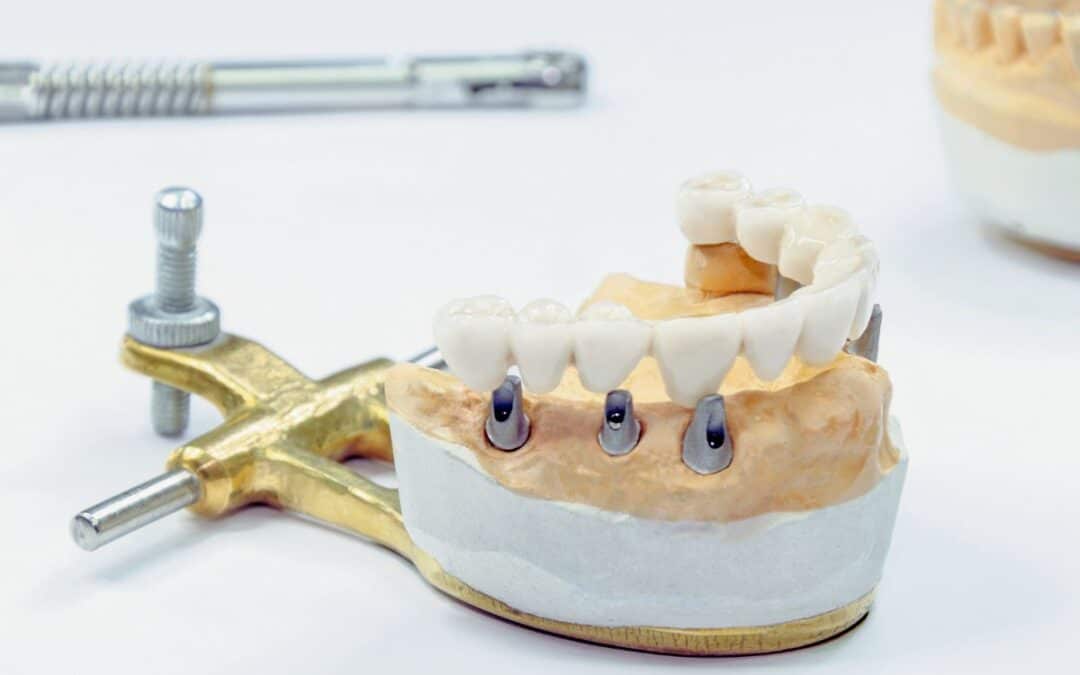
Dental implants replace missing teeth with a strong, artificial root. They consist of a titanium post, an abutment, and a crown. The post fuses with your jawbone over time. This creates a stable base. Many people opt for them due to their natural feel and function.
The process starts with a consultation. Your dentist assesses your oral health. They check bone density and gum condition. If needed, they may suggest bone grafting. The surgery places the post in the jaw. Healing takes a few months. Then, the abutment and crown are added.
Implants improve chewing and speaking. They prevent bone loss too. Success depends on proper placement and care. That’s why selecting an experienced provider matters.
Key Factors to Consider When Selecting a Dentist
Start with credentials. Look for advanced training in implant dentistry. Certifications from recognized organizations show expertise. Experience counts. Ask how many procedures they’ve done.
Technology plays a role. Modern tools like 3D imaging help plan accurately. This reduces risks and improves outcomes. Comfort during visits is key. A welcoming office eases anxiety.
Patient reviews offer insights. Read about others’ experiences. Positive feedback on results and care builds trust. Schedule consultations. Meet the team. Gauge their approach.
Questions to Ask Potential Dentists
Prepare a list. Inquire about their success rates. High numbers indicate skill. Ask about the types of implants they use. Quality materials last longer.
Discuss the timeline. Know what to expect step by step. Learn about aftercare. Good follow-up ensures healing. Ask if they handle complications in-house.
Probe their team. Collaborative care with specialists enhances results. Finally, clarify the warranty on the work. This shows confidence in their service.
In Whitehouse, TX, locals often seek providers familiar with regional needs. Our dental implant procedure in Whitehouse, TX, involves detailed planning to match the individual’s jaw structure. This ensures better integration and longevity.
Common Concerns and How to Address Them
Many worry about pain. Sedation options make it manageable. Healing varies by person. Follow instructions to speed recovery.
Bone health is crucial. If density is low, grafts help. Smoking can hinder success. Quitting improves chances. Age isn’t a barrier if health is good.
Infections are rare with proper hygiene. Regular check-ups catch issues early. Implants feel natural once settled. They boost confidence in daily life.
Trending FAQs on Choosing a Dentist for Dental Implants
People often search for answers to specific questions about this topic. Based on common Google queries, here are some trending FAQs with helpful responses:
- How do I know if a dentist is qualified for dental implants? Check for specialized training in implantology. Look for memberships in groups like the American Academy of Implant Dentistry. Experience with hundreds of cases signals reliability.
- What should I ask my dentist before getting implants? Inquire about their success rate, the materials used, and the full procedure timeline. Ask about potential risks and how they handle them.
- Are dental implants safe, and what is their success rate? Yes, they’re safe with proper placement. Studies show over 95% success over 10 years, depending on care and health factors.
- How long do dental implants last? With good maintenance, they can last a lifetime. The crown may need replacement after 10-15 years due to wear.
- What if I’m not a good candidate for implants? Alternatives like bridges or dentures exist. Your dentist can assess your jawbone and overall health and recommend the best option.
These address common concerns and help with decision-making.
Statistics on Dental Implant Success
Understanding data builds confidence. Here’s a table summarizing key stats from reliable studies:
| Factor | Success Rate | Notes |
|---|---|---|
| Overall 10-Year Success | 95-98% | High with proper care; drops if smoking is involved. |
| 20-Year Survival | 75-88% | Varies by implant length and bone quality. |
| Early Failure Rate | 3-5% | Often due to infection or poor integration. |
| Maxilla vs. Mandible | 83% vs. 92% | The upper jaw has a slightly higher risk due to bone density. |
| With Bone Grafting | 90% | Improves outcomes in low-density cases. |
These figures highlight why expertise matters. Data from sources like the Journal of Oral and Maxillofacial Surgery.
The Importance of Aftercare and Maintenance
Post-procedure care ensures longevity. Brush and floss daily. Use antimicrobial rinses. Avoid hard foods initially.
Schedule regular visits. Cleanings prevent plaque buildup. Monitor for signs of issues like swelling. Healthy habits extend implant life.
Lifestyle choices help. A balanced diet supports bone health. Quitting tobacco reduces risks. Stay hydrated for gum vitality.
Making Your Final Decision
Weigh all factors. Trust your gut after meetings. A good fit feels right. Prioritize quality over convenience.
If you are searching for a reliable implant dentist near Whitehouse, consider those with strong local reputations for personalized care. They understand community needs and deliver tailored solutions.
Your journey to a better smile starts with the right choice. Implants transform lives by restoring function and aesthetics. Take time to research. Consult professionals. Soon, you’ll enjoy the benefits of a confident, complete smile. Your oral health deserves the best.