A bright, healthy smile is a treasure for both kids and grown-ups. But keeping teeth free from cavities can be a challenge, especially with those hard-to-reach back molars. Dental sealants have become a popular preventive measure, offering a protective shield against decay. If you’re wondering whether sealants are safe and effective for you or your child, you’re not alone. This blog dives into the safety, benefits, and key considerations of dental sealants, addressing common concerns with clarity and care.
What Are Dental Sealants?
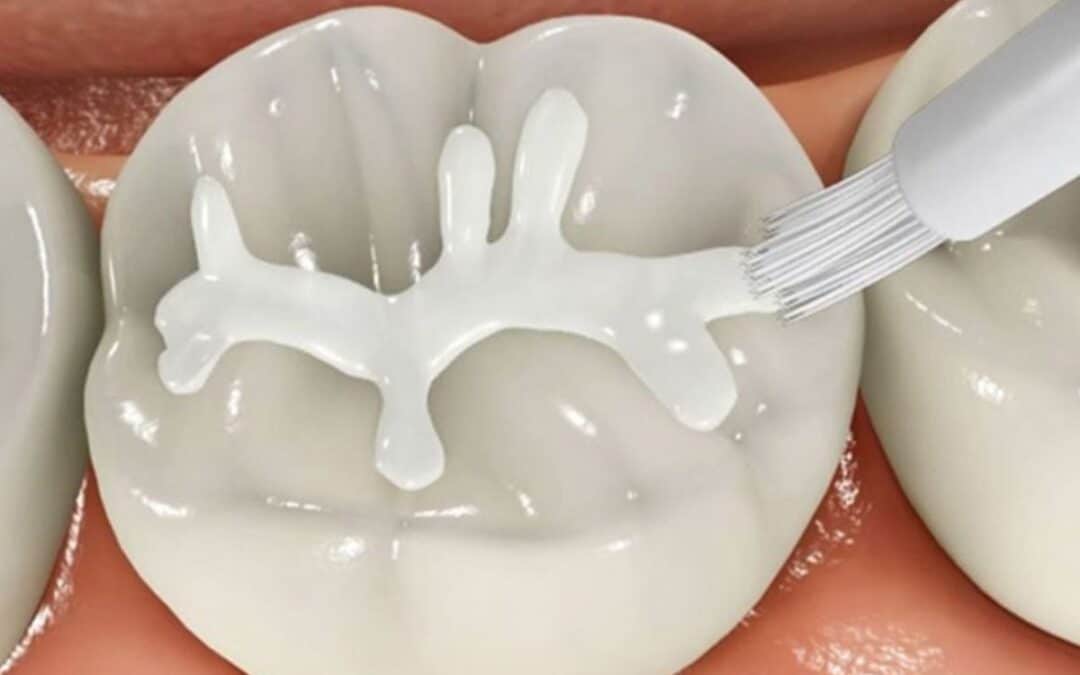
Dental sealants are thin, protective coatings applied to the chewing surfaces of molars and premolars. Made from a safe, plastic-based resin, they bond to tooth enamel, creating a barrier that blocks food particles and bacteria. These coatings target the grooves and pits where cavities often form, especially in children whose brushing skills are still developing. The application is quick, painless, and non-invasive, making it a go-to option for preventive dental care.
Are Dental Sealants Safe?
Safety is a top concern for anyone considering dental treatments, especially for children. The materials used in sealants, typically resin-based, are FDA-approved and have been studied for decades. They show no significant side effects when applied correctly. Some worry about chemicals like BPA in sealants, but studies confirm that any exposure is minimal and far below safety thresholds. For those seeking dental sealants in Whitehouse, TX, rest assured that modern sealants are designed with safety in mind, offering peace of mind for parents and adults alike.
Benefits of Dental Sealants
Sealants are a powerhouse in cavity prevention. According to the American Dental Association, they can reduce cavity risk on permanent molars by up to 80%. This is especially valuable for children, whose molars often have deep grooves that trap food. Adults with similar tooth anatomy or a history of cavities can also benefit. Sealants are durable, lasting up to 10 years with proper care, and they complement regular brushing and flossing. They’re a simple way to strengthen your oral health defenses.
Who Should Get Dental Sealants?
Sealants are most commonly recommended for children and teenagers, particularly between ages 4 and 15, when cavities are more likely. However, adults with deep grooves in their teeth or no prior fillings can also benefit. A dentist in Whitehouse, TX, will assess factors like tooth anatomy, dental history, and oral hygiene habits to determine if sealants are right for you. Even baby teeth may get sealants if a child is prone to cavities, ensuring early protection.
The Application Process: What to Expect
Getting sealants is straightforward. The dentist cleans and dries the teeth, applies a mild gel to prepare the enamel, and then paints on the sealant. A special curing light hardens it in under a minute, forming a strong barrier. There’s no need for sedation, and patients can eat or drink right after. Regular checkups ensure sealants remain intact, especially for those who grind their teeth, which can wear them down faster.
Trending FAQs on Dental Sealants
Here are answers to some frequently asked questions about dental sealants, based on what people often search for:
-
Are dental sealants safe for kids? Yes, sealants are safe for children. They use FDA-approved materials with minimal risks, extensively studied for decades.
-
Can adults get dental sealants? Absolutely, adults with healthy molars or deep grooves can benefit, especially if they’re cavity-prone.
-
Do dental sealants hurt? No, the process is painless, quick, and doesn’t require drilling or anesthesia.
-
How long do dental sealants last? With proper care, sealants can protect teeth for up to 10 years, though regular dental visits help monitor their condition.
-
Can sealants replace brushing and flossing? No, sealants complement oral hygiene routines. Brushing, flossing, and fluoride use remain essential.
-
Are dental sealants visible? Sealants are typically clear, white, or slightly tinted, blending naturally with teeth.
Addressing Common Concerns
Some worry that sealants might interfere with chewing or feel unnatural. In reality, they’re thin and smooth, preserving normal tooth function. Another concern is whether sealants can trap bacteria if they chip. Regular dental visits catch any wear early, ensuring the sealant remains effective. For those hesitant about plastic-based materials, non-plastic options may be available, though they’re less common. Always discuss preferences with your dentist for tailored advice.
Maintaining Dental Sealants
Sealants are low-maintenance but benefit from good oral hygiene. Brush twice daily, floss regularly, and avoid sticky or hard foods that could damage the coating. Routine dental checkups allow professionals to inspect for chips or wear, especially if you have habits like teeth grinding. Pairing sealants with fluoride treatments strengthens enamel, offering a robust defense against decay. This combination is particularly effective for kids still mastering their brushing habits.
Why Choose Sealants for Your Family?
Sealants offer a proactive way to protect smiles, especially for children during their cavity-prone years. They’re a non-invasive, safe solution that saves time and effort compared to treating cavities. For adults, they provide an extra layer of protection for vulnerable teeth. By addressing decay early, sealants support long-term oral health, helping you and your family maintain radiant smiles with confidence.
Protecting your smile or your child’s doesn’t have to be complicated. Dental sealants offer a safe, effective way to prevent cavities, giving you peace of mind and a healthier future. Whether you’re a parent or an adult seeking extra protection, this simple treatment can make a big difference. To learn more or schedule an appointment, contact 110 Dental and Orthodontics at 903-328-6577. Your trusted dentist in Whitehouse, TX is ready to help you achieve a cavity-free smile!