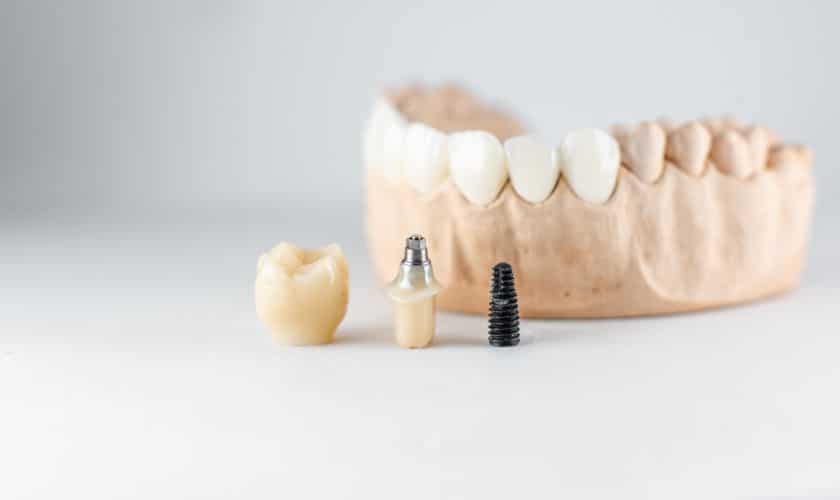
Dental implants are a great way to replace missing teeth and give you back your smile. This article will list some of the symptoms you need to look out for when getting dental implants.
1. Bleeding: One of the most common side effects of dental implant surgery is bleeding. If you notice any bleeding from your gums or mouth after surgery, be sure to contact your dentist right away.
2. Infection: Another potential complication of dental implant surgery is infection. If you notice any redness, swelling, or discharge around your implant site, be sure to contact your dentist right away.
3. Nerve damage: One of the more serious complications that can occur with dental implant surgery is nerve damage. This can cause numbness, tingling, or pain in your lips, gums, tongue, or chin. If you experience any of these symptoms after surgery, be sure to contact your dentist right away.
Swelling And Bruising Around The Gums
If you experience any swelling or bruising around your gums after getting dental implants, it’s important to call your dentist right away. While some degree of swelling and bruising is normal after surgery, excessive or prolonged bleeding could be a sign of infection.
Difficulty Eating Or Speaking
If you’re considering dental implants, it’s important to be aware of the potential complications and side effects. One of the most common complications is difficulty eating or speaking. This can occur if the implant is not placed correctly or if there is damage to the surrounding teeth. If you experience difficulty eating or speaking, it’s important to see your dentist right away so they can make any necessary adjustments.
Increased Pain Or Sensitivity Around The Implant Site
One common complication is increased pain or sensitivity around the implant site. This is usually temporary and can be treated with over-the-counter pain medication. However, if the pain is severe or lasts for more than a few days, you should see your dentist or oral surgeon. Other potential complications include infection, nerve damage, and sinus problems.
Loose Teeth
This can occur for a number of reasons, including improper placement of the implant, damage to the surrounding teeth, or infection. If you experience loose teeth, it’s important to see your dentist as soon as possible so that they can make the necessary adjustments.
Infection
Infection can occur at the implant site or in the surrounding tissue, and it can lead to serious health problems if left untreated.
The symptoms of an infection include:
- Pain at the implant site
- Swelling
- Redness
- Warmth to the touch
- Pus or drainage from the site
If you experience any of these symptoms, it’s important to see your dentist right away. An infection can quickly become serious, so it’s important to get treatment as soon as possible.
Allergic Reactions
When getting dental implants, it is important to be aware of the possibility of allergic reactions. Symptoms to look out for include:
- itchiness
- redness
- swelling
- hives
If you experience any of these symptoms, it is important to contact your dentist or implant specialist immediately. Allergic reactions can be serious and may require medical treatment.
The Bottom Line
Dental implants are a great way to improve your oral health and give you the smile that you have always dreamed of. Pay attention to any common symptoms such as swelling, pain or infection to ensure that your dental implants are successful. If you experience these symptoms, contact your dentist right away so they can treat the problem before it gets worse. With proper care and regular check-ups from your dentist, you should have no problems enjoying the benefits of having dental implants for many years!