
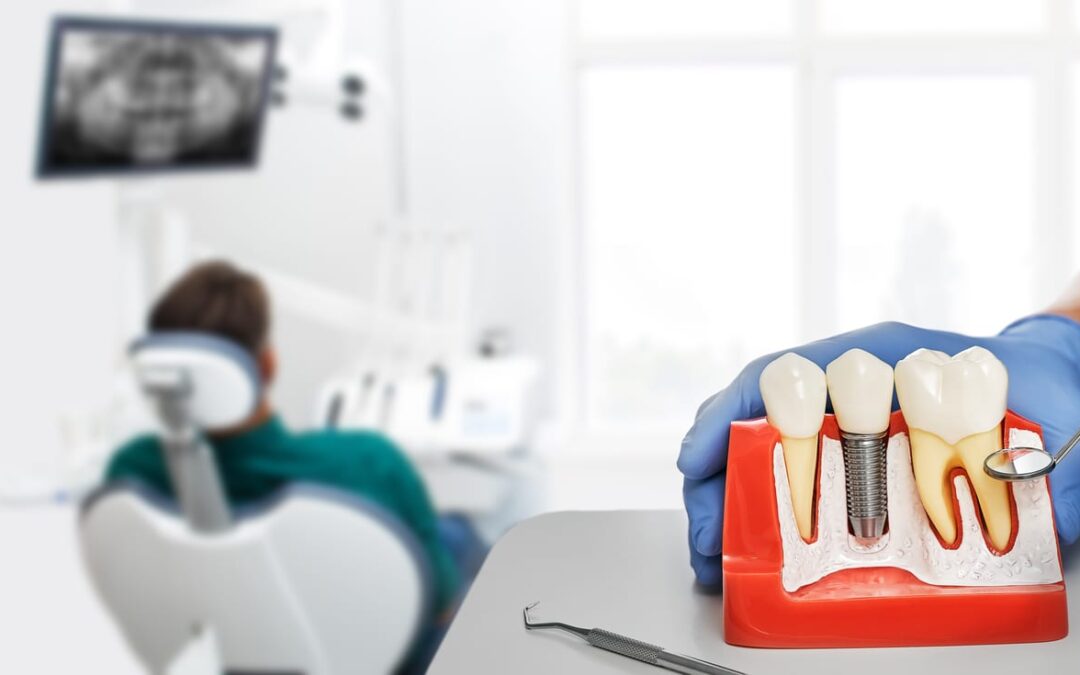
Scheduling your first dental bridge appointment can feel a little overwhelming. You may wonder what the process looks like or how long it will take. At 110 Dental & Orthodontics in Whitehouse, TX, Dr. Alan Anderson and his team are here to guide you through every step. Understanding your first dental bridge appointment — what to expect and how to prepare in Whitehouse — makes the whole experience much easier.
What Is a Dental Bridge and Why Might You Need One?
A dental bridge is a fixed restoration that fills the gap left by one or more missing teeth. It uses the surrounding natural teeth — called abutment teeth — as anchors. The artificial tooth in the middle is called a pontic. Together, they restore your smile and improve your ability to chew and speak comfortably.
Missing teeth can cause more than cosmetic concerns. Over time, nearby teeth can shift into the gap. This shifting can lead to bite problems and jaw discomfort. A dental bridge prevents these complications by keeping your smile properly aligned.
Dr. Anderson will recommend a bridge when it is the best long-term solution for your specific situation. He may also discuss other options, such as General Dentistry Whitehouse treatments, to ensure you receive comprehensive care from the very start.
How to Prepare for Your First Dental Bridge Appointment in Whitehouse
Good preparation helps your first visit go smoothly. There are a few simple steps you can take before your appointment. Being ready ahead of time reduces stress and saves time in the office.
Here is what we recommend you do before your first visit:
- Write down any questions or concerns you want to ask Dr. Anderson.
- Note any medications you are currently taking, including supplements.
- Eat a light meal beforehand if local anesthesia may be used.
- Arrange a ride home if you expect to feel a little groggy afterward.
- Bring a list of any known allergies, especially to dental materials or medications.
- Arrive 10 to 15 minutes early to complete any new-patient paperwork.
Our front desk team is always happy to answer questions before your appointment. Feel free to call ahead if you need clarification on anything. We want your experience at 110 Dental & Orthodontics to feel welcoming from the moment you walk in.
What Happens During Your First Dental Bridge Appointment
Your first appointment is primarily a consultation and preparation visit. Dr. Anderson will begin with a thorough examination of your mouth. He will assess the health of your gums, surrounding teeth, and jawbone. This evaluation ensures a dental bridge is the right choice for you.
If everything looks good, the preparation phase begins. Dr. Anderson will gently reshape the two abutment teeth on either side of the gap. This reshaping creates space for the crowns that will anchor your bridge. Local anesthesia keeps you comfortable throughout this process.
After reshaping, our team takes precise impressions of your teeth. These impressions are sent to a dental lab where your custom bridge is crafted. While you wait for the permanent bridge, Dr. Anderson places a temporary bridge to protect the prepared teeth.
Here is a step-by-step overview of what your first appointment includes:
- Oral examination — Dr. Anderson reviews your overall dental health.
- X-rays — Images help assess bone and root health beneath the gumline.
- Tooth preparation — Abutment teeth are reshaped to accept crowns.
- Impressions — Detailed molds are taken for the dental lab.
- Temporary bridge — A placeholder bridge protects your teeth between visits.
The entire first appointment typically takes one to two hours. Most patients find the process manageable with local anesthesia in place. Dr. Anderson takes care to work at a pace that keeps you informed and at ease.
What to Expect After Your First Appointment
Some mild sensitivity or soreness is completely normal after your first visit. Your gums and prepared teeth may feel tender for a day or two. Over-the-counter pain relievers are usually enough to manage any discomfort. Dr. Anderson will give you specific aftercare instructions before you leave.
Your temporary bridge needs a little extra care while you wait for the permanent one. Avoid sticky or hard foods that could dislodge it. Gentle brushing and careful flossing around the temporary bridge keep the area clean. Most patients return for their permanent bridge placement within two to three weeks.
If you experience unusual pain or the temporary bridge comes loose, contact our office promptly. We are always available to address concerns between your appointments. Patients from across the Whitehouse area trust Dr. Anderson’s team for attentive follow-up care.
Caring for Your Smile After Your Bridge Is Placed
Once your permanent bridge is in place, caring for it properly extends its lifespan significantly. Brush twice daily using a soft-bristled toothbrush. Use a floss threader or interdental brush to clean beneath the pontic each day. Keeping the area clean prevents gum disease and decay around the abutment teeth.
Regular checkups at 110 Dental & Orthodontics are essential for long-term success. Dr. Anderson will monitor your bridge at each visit and address any early concerns. A well-maintained dental bridge can last 10 to 15 years or more.
If you have children who also need dental care, we offer Kid Friendly Dentistry Whitehouse services to keep the whole family smiling. We believe healthy smiles start early, and we make dental visits positive for patients of all ages. Our entire team is committed to building lasting relationships with every patient we serve.
Ready to Take the Next Step Toward a Complete Smile?
A dental bridge is a reliable, proven solution for missing teeth. Dr. Alan Anderson and the team at 110 Dental & Orthodontics in Whitehouse, TX are ready to help you every step of the way. From your very first appointment to long-term maintenance, we provide personalized care that puts your comfort first. Book Now to schedule your appointment with our team.
Frequently Asked Questions
How many appointments does a dental bridge require?
Most patients need two main appointments. The first visit involves tooth preparation and impressions. The second visit places the permanent bridge once it returns from the dental lab. Some cases may require additional visits depending on your oral health needs.
Is the dental bridge procedure painful?
Dr. Anderson uses local anesthesia to keep you comfortable throughout the procedure. You may feel mild pressure but should not feel sharp pain. Any soreness after the appointment usually resolves within a day or two. Over-the-counter pain relievers typically manage post-visit discomfort well.
How long does a dental bridge last?
A well-cared-for dental bridge can last 10 to 15 years or longer. Daily brushing, proper flossing, and regular checkups are essential. Avoiding hard or sticky foods also helps protect the bridge. Dr. Anderson will monitor it at each routine visit.
Can I eat normally with a dental bridge?
Yes — once your permanent bridge is fully placed, you can eat most foods comfortably. During the temporary bridge phase, it is best to avoid very hard or sticky foods. After full placement, your chewing function should feel much improved. Dr. Anderson will advise you on any specific dietary guidelines.
What if I am nervous about my first dental bridge appointment?
Dental anxiety is very common, and our team understands completely. Dr. Anderson and his staff take time to explain each step before it happens. We work at a pace that keeps you informed and comfortable throughout your visit. Do not hesitate to let us know about your concerns when you arrive.